
7 Delicious Takes on Mac and Cheese Dishes You Don’t Want to Miss

If you’re a fan of savoury cuisine, then we urge you to look no further than mac and cheese. This classic comfort food is a culinary masterpiece that never fails to arouse your appetite and call in for hunger. You don’t want to miss that little tiny pasta that melts in your mouth and is smothered in a rich, creamy sauce bursting with flavour.
The aroma of the dish wafts through the air and tantalises your senses, inviting you to take a bite or more. And once you do, the velvety texture and delectable taste will simply melt in your mouth. We shall say that whoever brought this palatable dish of mac and cheese to life deserves a great hail.
Although it’s said to have originated in Northern Europe, it’s now an irresistible delicacy enjoyed in all corners of the world. Travelling around the world has given this dish a chance to be impacted by different cultures and culinary experiences. People have taken the initiative to present their takes on this savoury dish, offering more than a few recipes to try out.
You can safely land to satiety with a perfect mac and cheese dish, all in your home. Here we bring you more than a few mac and cheese recipes you can try and enjoy. Treat your taste buds to this divine delicacy and indulge in a truly heavenly experience.
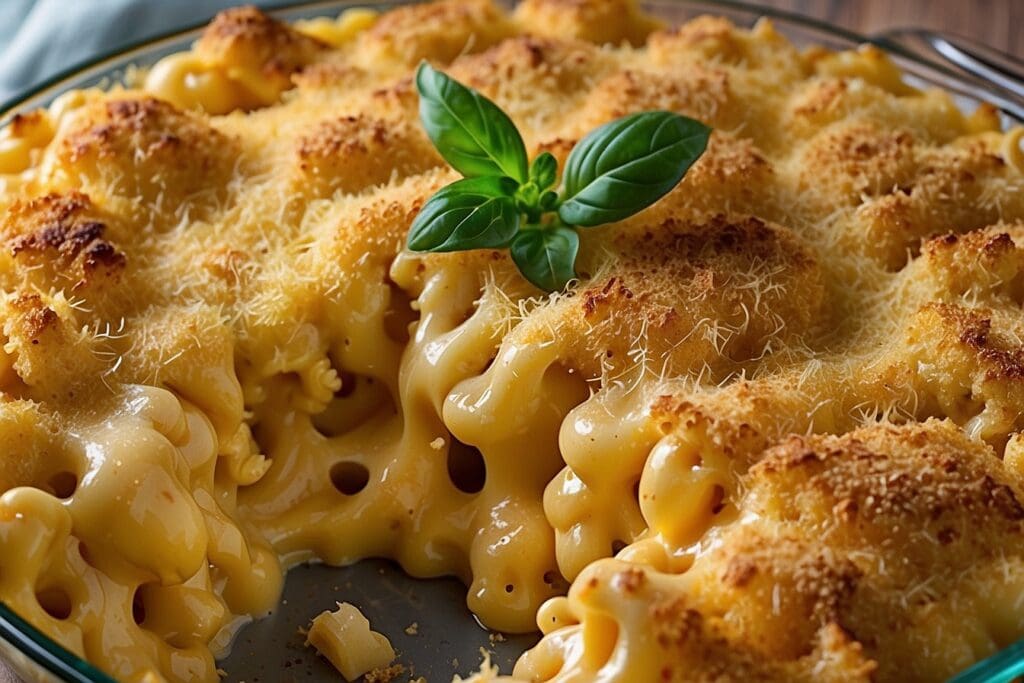
1. Baked Mac and Cheese
Baking your mac and cheese is the simplest and easiest way to get the cheese to melt and intertwine with the tiny elbowed pasta. It’s also a quick way to make dinner for your family, and we assure you your little ones will be madly in love with this ultimate cheesiness. You can also store the leftovers and enjoy them the next day.
Ingredients:
- 500 gm of elbow pasta
- 4 cups of shredded cheddar cheese
- 2 cups of shredded Gruyere cheese
- 1/2 cup of unsalted butter
- 1/2 cup of all-purpose flour
- 1 and 1/2 cups of whole milk
- 2 and 1/2 cups of half and half
- 1/2 tbsp of salt
- 1/2 tsp of black pepper
- 1/4 tsp of paprika
Instructions:
1- Grab a baking cheese and grease, then set aside. Meanwhile, preheat your oven to 325°F
2- Cook the dried pasta in salted water. Make sure you take it off the heat before it boils, as you’ll still get it into the oven. Drain the pasta and add a little bit of olive oil.
3- Add all of the shredded cheeses together and mix. Now divide the cheese into three bowls to use each bowl for a different layer.
4- Melt butter, then add flour and combine thoroughly. Keep whisking while heating the mixture for a minute.
5- Add 2 cups of the half and half while still whisking.
6- Add the whole milk into the mixture, then add the remaining 1/2 cup of half and half until it turns into a smooth mixture.
7- Keep heating the mixture until it thickens, forming a rich, creamy sauce, then remove from the heat.
8- Add the spice, then slowly add half the cheese into the mixture while stirring to melt.
9- Add the remaining cheese and keep stirring until it thoroughly combines.
10- Combine half of the drained pasta with the melted cheesy mixture.
11- Put the other half of the pasta into the baking dish, cover it with cheese, and then top with the remaining pasta mixture.
12- Bake this irresistibly delicious mac and cheese dish until the cheese bubbles on the surface, then serve and enjoy.
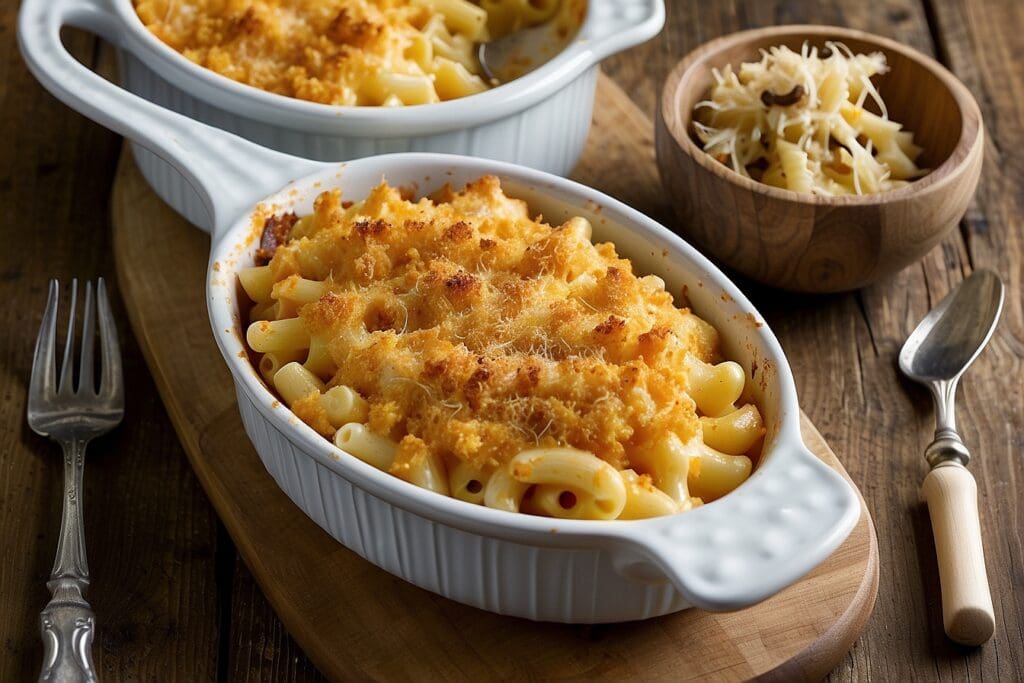
2. Flamin’ Mac and Cheetos
There’s a great way to enjoy your bag of Cheetos without tainting your fingers. Put it into your mac and cheese dish. Yes, you read that right and in case you never knew, Cheetos and mac and cheese have always been paired and well-perceived.
Ingredients:
- 500 gm of elbow pasta
- 4 cups of shredded cheddar cheese
- 2 cups of shredded pepper Jack cheese
- 1/2 cup of butter
- 3 tbsp of butter
- 1/2 cup of all-purpose flour
- 1 and 1/2 cups of whole milk
- 2 and 1/2 cups of half and half
- 1/2 tbsp of salt
- 1/2 tsp of black pepper
- 1 tsp of cayenne pepper
- 1/4 cup of panko breadcrumbs
- 1/4 cup of Flamin’ Hot Cheetos
Instructions:
1- Preheat oven to 350º.
2- In a large pot, boil some salted water, cook pasta according to package directions, then drain and set aside.
3- Melt butter in a saucepan and add flour to mix.
4- Add all spices in and stir well.
5- Pour in milk slowly and keep whisking.
6- Add the two kinds of cheese and keep stirring until they melt and combine well with the mixture.
7- Grab a baking dish and add the pasta, then pour the cheese over and combine gently.
8- Melt butter again and add the panko breadcrumbs and Cheetos bag. Keep stirring until they combine well.
9- Pour this mixture over the mac and cheese mixture
10- Bake for 15 minutes until the cheese melts, then serve and enjoy.
3. Fried Mac and Cheese Bites
You know what’s better than a savoury dish of mac and cheese? Fried balls of mac and cheese that you can grab on the go and enjoy every bite. It works as a perfect appetiser to enjoy before your main course, though it may fill you up quickly. You may also serve it as a snack for your little crowd and have them smile with each cheesy bite.
Ingredients:
- 500 gm of elbow pasta
- 2 tbsp of water
- 2 cups of shredded white cheddar cheese
- 2 cups of shredded Monetary Jack cheese
- 1 tbsp of unsalted butter
- 2 large eggs
- 1/3 cup of all-purpose flour
- 1 and 1/4 cups of whole milk
- 2 tbsp of kosher salt
- 1/2 tsp of black pepper
- 1/2 tsp of cayenne pepper
- 1 tsp of garlic powder
- 2 and 1/2 cups of panko breadcrumbs
- Vegetable oil
Instructions:
1- Melt butter in a saucepan, add 1 tbsp of flour and constantly stir until it melts.
2- Slowly add milk while constantly stirring the mixture.
3- Simmer over medium-high while keeping whisking now and then until the mixture thickens.
4- Reduce the heat, add all kinds of cheese and spices, and stir until all combine thoroughly.
5- Remove from heat and add the macaroni. Gently combine the macaroni with the creamy mixture.
6- Spread the mixture over a greased baking pan, then cover tightly with plastic wrap. Leave the mixture in the refrigerator for at least 3 hours, but better overnight.
7- Take the mixture out and scoop portions of the mac and cheese mixture, then roll it into a ball using your hand. Keep repeating until you finish the whole mixture.
8- Bring three small bowls. Add the beaten eggs in one, the flour in another, and then panko breadcrumbs in the third.
9- Roll each mac and cheese ball in that order, the flour, the egg mixture, and then the breadcrumbs. Place each ball on a baking sheet.
10- Once you finish all the mac and cheese mixture at hand, fry the macaroni balls until golden brown.
11- Place on a paper towel to remove excess oil, then enjoy these heavenly bites!
4. Tuscan Chicken Mac and Cheese
One of the ways to make all of your dinners in one pot is by resorting to the delicious Tuscan chicken mac and cheese. It’s a great way to incorporate protein into the usual mac and cheese dish, making something unusual. This recipe is all about little work and simple ingredients, but it is an extraordinary culinary masterpiece.
Ingredients:
- 2 large skinless, boneless chicken breasts
- Salt and pepper to season
- 1/2 tsp of paprika
- 1/2 tsp of dried parsley
- 1 tbsp of olive oil
- 2 tbsp of butter
- 1 small yellow onion
- 6 cloves of finely diced garlic
- 1/3 cup of white wine
- 250g of jarred sun-dried tomato strips in oil
- 3 levels tbsp of flour
- 2 cups of chicken broth
- 3 cups of milk
- 2 tsp of dried Italian herbs
- 300g of elbow macaroni uncooked
- 3 cups of baby spinach leave
- 1 cup of fresh grated Parmesan cheese
- 3/4 cup of shredded mozzarella cheese
- 1/2 cup of grated cheese Cheddar or Gruyere
- 2 tbsp of fresh parsley
Instructions:
1- Split the chicken breasts into a butterfly shape and season with paprika, salt, pepper, dried parsley, and olive oil.
2- Heat the rest of the olive oil in a pan over medium heat before adding the chicken and flipping it on both sides until it’s golden brown.
3- Place the chicken on a plate aside and cover it with foil.
4- In the same pan where you added the oil, add the butter and let it melt, then fry the onion and garlic for a couple of minutes
5- Pour in the white and let it simmer for a few minutes.
6- Once the wine reduces, add the sun-dried tomatoes with some of the oil that drips in the jar from those tomatoes. Keep cooking and stirring for a minute until the flavour seals in.
7- Add the flour and keep stirring until it combines thoroughly.
8- Add the broth, herbs, salt, and pepper with 2 and a half cups of milk. Make sure you lower the heat at this point.
9- Add the macaroni and blend well once the sauce starts thickening. Keep stirring to combine gently and until the pasta is cooked.
10- Add the baby spinach and stir well until it wilts and combines with the mixture.
11- Add the cheese and stir quickly until it melts completely, then take the pot off the heat. Feel free to add salt and pepper as much as you need.
12- Slice the chicken into thin strips, add to the creamy pasta, and enjoy a hearty mac and cheese dish.
5. Johnny Marzetti
Mac and cheese in a casserole go a long way when it comes to sharing with your beloved ones. A great take on the flavoursome mac and cheese dish is the famous American dish of Johnny Marzetti. The naming of this dish has always been debatable, but fret not, for it’s still a twisted dish of mac and cheese that you can prepare for dinner and have your family all smile nonstop.
Ingredients:
- 500 gm of ground beef
- 500 gm of Italian ground sausage
- 4 cups of elbow macaroni (cooked and drained)
- 1 chopped onion
- 1/2 green bell pepper
- 1/2 red bell pepper
- 6 ounces of mushrooms
- Diced tomatoes can
- 2 cans of tomato sauce
- 4 cloves of chopped garlic
- 2 tsp of dried oregano
- 2 tsp of dried thyme
- 2 tsp of dried basil
- 1.5 tbsp of sugar
- 2 cups of shredded cheddar (divided)
- 2 cups of shredded mozzarella (divided)
- 1 tbsp of olive oil
- Salt
Instructions:
1- Grab a skillet and grease it with olive oil.
2- Sauté the chopped onions on medium-high heat until they soften.
3- Add the chopped bell peppers, garlic, and mushroom and combine all well until they soften too.
4- Toss in the sausage and ground beef and keep crumbling with a spatula. Add salt and pepper, and keep stirring until all meat is cooked and turns brown.
5- Add the tomato sauce, diced tomatoes, and Italian herbs. Mix well and simmer for at least 20 minutes.
6- Now is the time to turn your oven on. Preheat oven to 350°F.
7- Add half of the cheese into the meat sauce and stir until it melts.
8- Stir in the cooked pasta and combine gently with the cheese and meat sauce.
9- Transfer into a casserole and add the other half of the grated cheese on top.
10- Cover in aluminium foil loosely, then bake for around 45 minutes until the top cheese melts and bubbles.
11- Remove the casserole from the oven. Let it rest for a while before serving so it won’t crumble.
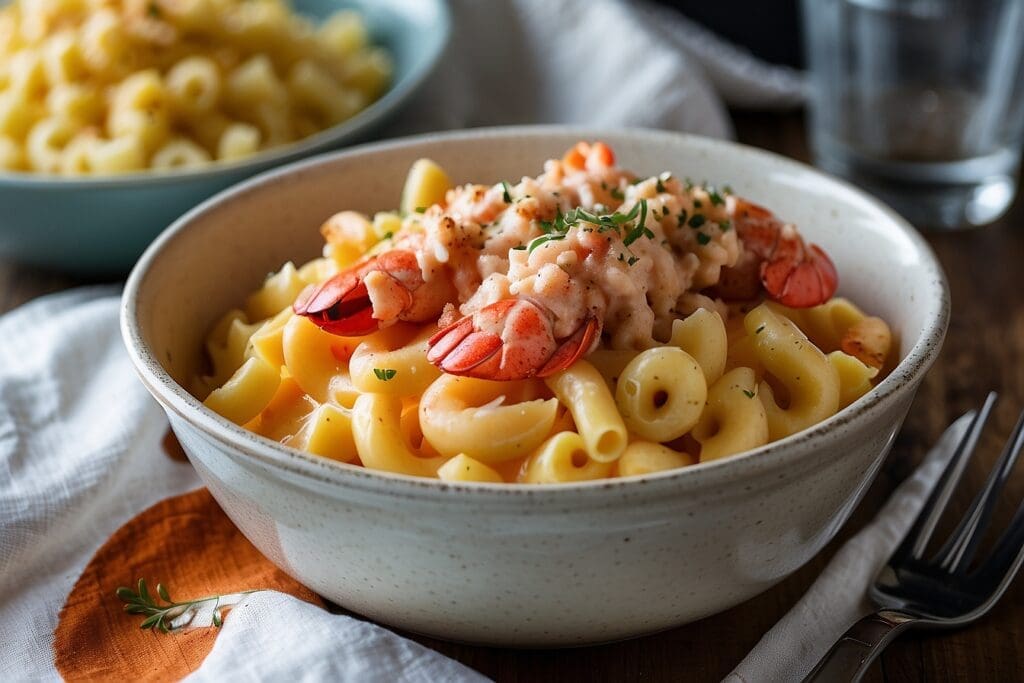
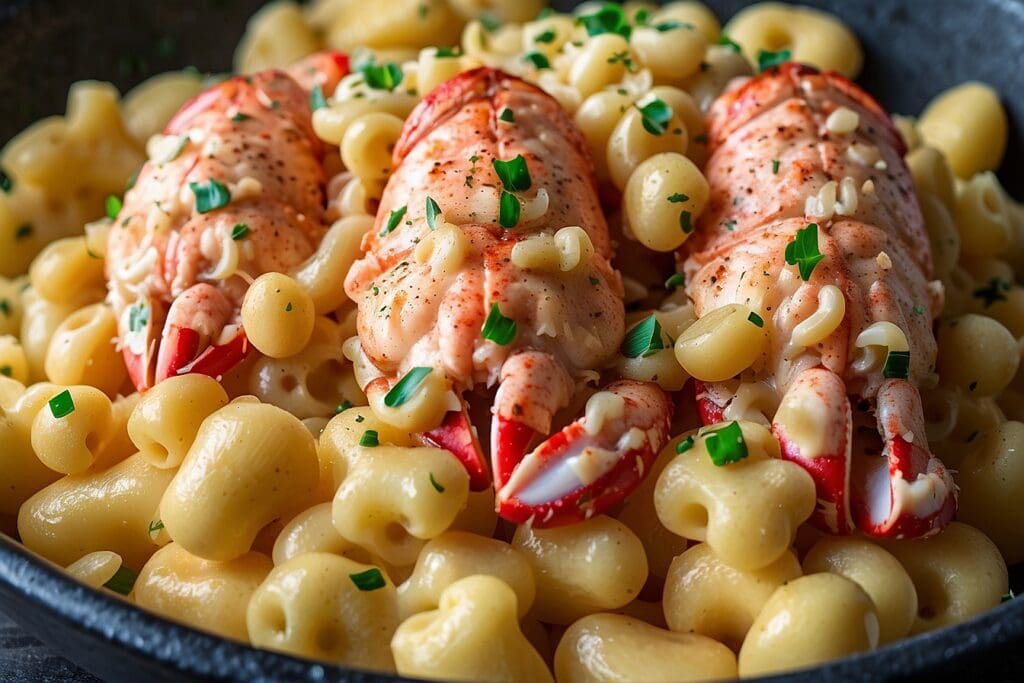
6. Creamy Lobster Mac and Cheese
Turn your mac and cheese dish into a fancy meal by tossing some delectable lobster. It’s a great way to enjoy a delicious dish in the comfort of your place and still feel like you’ve been to one of the best fine-dining restaurants in town. Let every bite of this super creamy dish melt in your mouth, sending your taste buds on an irresistible culinary adventure.
Ingredients:
- 2 cups of cooked lobster meat (chopped)
- 4 cups of dry pasta shells
- ⅓ cup of butter
- ⅓ cup of flour
- 1 tsp of onion powder
- ½ tsp of dry mustard powder
- ½ tsp of salt
- ¼ tsp of Old Bay Seasoning
- ¼ tsp of black pepper
- 2 and ¾ cups of milk
- ½ cup of light cream
- 2 cups of shredded sharp cheddar
- 1 ¼ cups of shredded Gruyere cheese, shredded Swiss cheese, or mozzarella.
- ½ cup of fresh parmesan cheese shredded
- 1/2 cup of panko breadcrumbs
- 2 tbsp of melted butter
- 2 tbsp of grated Parmesan cheese
- 1 tsp of chopped parsley
Instructions:
1- Preheat oven to 400°F.
2- Grease a large baking pan with melted butter, then set it aside.
3- Combine the panko breadcrumbs, grated Parmesan cheese, parsley, and 2 tablespoons of melted butter in a small bowl to make the topping. Now set the mixture aside.
4- Cook the pasta al dente, for it will still be cooked in the oven. Drain it and set it aside.
5- In a saucepan, melt butter over medium heat and add the seasoning and the flour. Stir until they combine well.
6- Combine the cream and milk thoroughly, then add the flour mixture gradually while whisking between each addition. Keep whisking until the lumps are gone, and the mixture is thick, then let it boil.
7- Lower the heat, slowly add all kinds of cheese, and whisk until melted.
8- Remove from heat and add the pasta while gently combining with the creamy mixture.
9- Add half of the lobster meat into the mixture and combine.
10- Spread over a prepared pan, then add the remaining lobster on top.
11- Cover with the topping mixture, then place into the oven.
12- Let it bake until it bubbles, for no more than 25 minutes, then take it out and serve!
7. Mac and Cheese Grilled Cheese
Grilled cheese sandwiches are a timeless classic that has always been a favourite among food lovers. The way the cheese oozes out of the bread and melts in your hands before reaching your mouth is simply irresistible. A great take many chefs had on this famous sandwich is adding another hearty dish, the great mac and cheese. It’s a culinary creation that would be a shame to miss.
Ingredients:
- 6 large toast slices
- 100g of dried Macaroni
- 100g of cheese
- 1 cup f milk
- 4-6 slices of diced bacon
- 1 tbsp of butter, plus more to spread
- 1 tbsp of Flour
- 1 tsp of Hot Sauce
- 1/4 tsp of Garlic Powder
- Salt and Pepper
Instructions:
1- Cook the macaroni al dente in salted boiling water, then drain and set aside.
2- Fry the bacon slices in a large pan until they’re crispy, then remove excess fat.
3- Melt 1 tablespoon of butter into the bacon pan, then stir in flour to form a paste and combine.
4- Add the cup of milk gradually while whisking to remove lumps and smoothen the mixture.
5- Add the seasonings, salt, pepper, garlic powder, and hot sauce, then reduce the heat.
6- Add the pasta to the mixture and combine gently.
7- Spread open your bread slices and spoon the mac and cheese mixture into the sandwich. Close the sandwich and make sure to add butter on both sides.
8- Put your sandwich in a frying pan and cook each side until it’s crispy and the cheese melts; then serve and enjoy!
We say it’s time to up your mac and cheese game. Instead of resorting to the traditional way of making this comfort food, make sure you add your own twist. So dive in and embark on this cheesy journey. It’s time that you live a little!