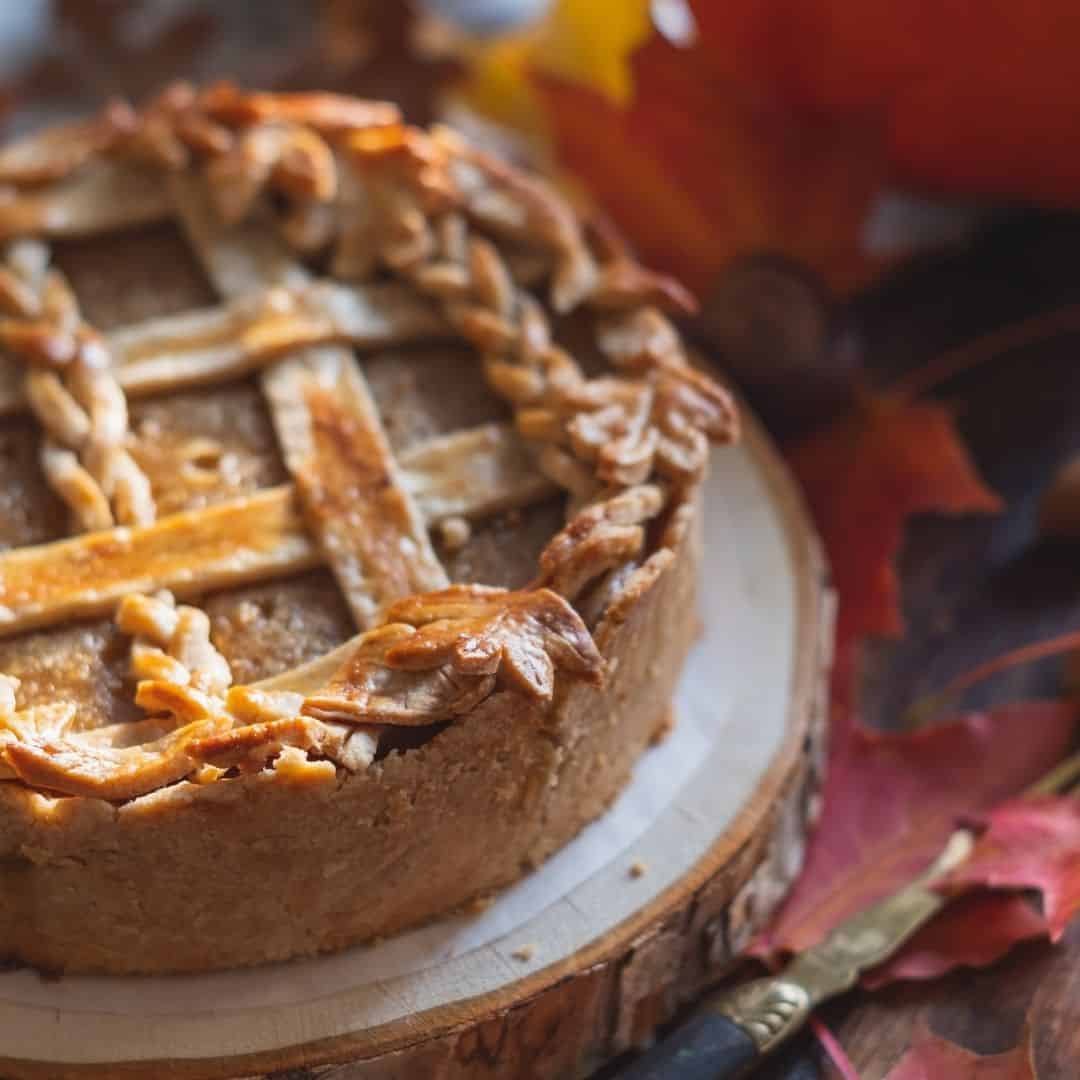
If there’s one dessert that captures the essence of autumn in a single slice, it’s pumpkin pie. Silky, spiced filling nestled in a buttery crust, crowned with a dollop of whipped cream, it’s pure comfort food. Whether you’re planning ahead for Halloween or prepping the ultimate Thanksgiving spread, this homemade pumpkin pie recipe delivers every time.
But here’s the thing: not all pumpkin pies are created equal. This easy pumpkin pie recipe is about getting that perfect balance of creamy texture and warm spices without any of the fuss. We’re talking fresh pumpkin (though canned works too), a foolproof two-stage baking method, and all the insider tips to avoid those dreaded cracks.
Let’s break down how to make the best pumpkin pie from scratch. There are no shortcuts on flavour, but plenty of smart techniques make it foolproof.
Table of Contents
What Makes This Pumpkin Pie Special
A perfect slice of homemade pumpkin pie on a white plate, showing the smooth, spiced filling and golden crust, garnished with whipped cream and a sprinkle of cinnamon.
Let’s get this straight: pumpkin pie isn’t just “custard with pumpkin thrown in.” It’s a masterclass in texture and spice balance that has perfected American dessert tables for centuries.
This classic pumpkin pie recipe stands apart because it uses fresh pumpkin for superior flavour control, though we’ll show you how to nail it with canned pumpkin too. The secret lies in the two-stage baking method: high heat to set the crust, then lower heat to gently cook the filling without cracking.
Core Elements of Perfect Pumpkin Pie
Every exceptional pumpkin pie shares these fundamental characteristics that separate the memorable from the mediocre:
Silky smooth filling: no grainy texture or watery separation
Perfectly spiced: warming cinnamon, nutmeg, and optional ginger
Crisp, flaky crust: blind-baked to prevent sogginess
Set but not rubbery: that perfect custard-like consistency
Crack-free surface: the hallmark of proper technique
You’ll find delicious variations with sweet potato, butternut squash, or different spice blends, but we’re focusing on the traditional version that’s been winning over families for generations. Master this foundation, and you can experiment endlessly.
Ingredients for Perfect Pumpkin Pie
The ingredients for pumpkin pie are arranged on a countertop, including fresh pumpkin chunks, eggs, milk, spices, sugar, and pastry dough, displayed in small bowls and measuring cups.
Making an authentic pumpkin pie from scratch requires understanding each component’s role. This isn’t a dish where you can wing the measurements; precision here pays off with that perfect slice every time.
The Pumpkin Foundation
The star of the show is obviously the pumpkin. While canned pumpkin puree works perfectly well, using fresh pumpkin or butternut squash gives you complete control over moisture content and flavour intensity. Sugar pumpkins (also called pie pumpkins) are ideal because they’re less watery than carving pumpkins and have a naturally sweet, dense flesh.
When cooking fresh pumpkin, the key is removing excess moisture. After boiling until tender, drain thoroughly and pat dry with paper towels. This extra step prevents the dreaded watery filling that can ruin an otherwise perfect pie.
The Spice Blend That Makes It Sing
The warming spices are what transform plain pumpkin into something magical. Cinnamon provides that classic fall warmth, while freshly grated nutmeg adds depth and complexity. Don’t skip the fresh nutmeg if you can help it; pre-ground loses its potency quickly.
For those who want to take it up a notch, a pinch of ground ginger and a whisper of ground cloves create layers of flavour without overwhelming the pumpkin. The salt might seem minimal, but it is crucial to balance the sweetness and enhance the other flavours.
The Custard Base
The eggs and milk create that signature custard texture. Two eggs provide just enough binding without making the filling too dense, while whole milk adds richness. The melted butter contributes to the silky mouthfeel and helps integrate all the flavours.
The Crust Foundation
A good, sweet shortcrust pastry makes all the difference. It should be sturdy and tender enough to hold the filling and cut cleanly. If you’re making your own, remember that cold butter and minimal mixing are your friends. Store-bought works, too; just look for all-butter versions for the best flavour.
Fresh vs. Canned Pumpkin
While purists swear by fresh pumpkin, there’s no shame in using canned. A 425g can of pumpkin puree substitutes perfectly for the fresh pumpkin in this recipe. The key is choosing pure pumpkin puree, not pumpkin pie filling, which already contains spices and sweeteners.
How to Make Pumpkin Pie Step-by-Step
This is a four-panel process shot showing pumpkin pie preparation: cooking fresh pumpkin, preparing the pastry crust, mixing the filling, and the final baked pie cooling on a wire rack.
The secret to perfect pumpkin pie lies in timing and temperature control. Get the sequence right and have a smooth, crack-free pie with a crisp bottom crust. Here’s how to nail it every time.
Step 1: Prepare the Pumpkin (20 minutes)
If you’re going fresh, start by tackling the pumpkin. Cut your pumpkin or butternut squash into chunks, removing all seeds and strings. Place the chunks in a large saucepan, cover with water, and bring to a rolling boil.
Cover and simmer for 15 minutes until the pumpkin is completely tender when pierced with a fork. This step is crucial, as an undercooked pumpkin will give you a grainy filling. Once tender, drain thoroughly and let cool completely.
Here’s the pro move: push the cooled pumpkin through a fine-mesh sieve. This removes any remaining fibres and gives you that silky smooth texture that separates homemade from store-bought.
Step 2: Prepare the Perfect Crust (30 minutes)
While your pumpkin cools, get that crust ready. Preheat your oven to 180°C/160°C fan/gas 4 for the blind baking stage.
Roll out your pastry on a lightly floured surface, aiming for about 3mm thick. Transfer it to a 22cm loose-bottomed tart tin, pressing gently into the corners without stretching. Trim the edges, leaving about 2cm overhang, then fold this under to create a neat border.
Chill the lined tin for 15 minutes; this prevents shrinkage during baking. Line with baking parchment and fill with baking beans or rice. Bake for 15 minutes, then remove the parchment and beans.
Return to the oven for another 10 minutes until the base is pale golden and feels set when gently pressed. This double-stage blind baking ensures your crust stays crisp even with the wet filling.
Step 3: Create the Silky Filling (10 minutes)
Now for the filling magic. Increase your oven temperature to 220°C/200°C fan/gas 7. This high initial heat is key to the two-stage baking method.
Whisk together the caster sugar, salt, cinnamon, and half the nutmeg in a large bowl. This dry mixing ensures even spice distribution. Add the beaten eggs, melted butter, and milk, whisking until completely smooth.
Fold in your prepared pumpkin puree, mixing just until combined. Don’t overwork it; you want to maintain that silky texture you worked hard to achieve.
Step 4: The Two-Stage Baking Technique (45 minutes)
Pour the filling into your prepared crust, smoothing the top with a spatula. Bake at a high temperature for 10 minutes, which sets the edges and helps prevent cracking.
Reduce the temperature to 180°C/160°C fan/gas four and continue baking for 35-40 minutes. The pie is done when the centre is set but still slightly wobbles when gently shaken. A knife inserted 2 inches from the edge should come out clean.
Don’t overbake; the residual heat will continue cooking the filling as it cools, and you’ll avoid that rubbery texture that plagues many pumpkin pies.
Step 5: The Cool Down
Let the pie cool completely at room temperature before transferring to the refrigerator. This gradual cooling prevents cracking and allows the filling to set properly.
Just before serving, mix the remaining cinnamon with icing sugar and dust lightly over the surface. This simple touch makes all the difference in presentation.
Serving Suggestions
A beautifully plated slice of pumpkin pie on a rustic wooden board, served with a dollop of whipped cream, a sprinkle of cinnamon, and garnished with a cinnamon stick, alongside a cup of coffee.
Pumpkin pie is delicious, but the right accompaniments can elevate it from good to unforgettable. The key is to balance the rich, spiced filling with complementary textures and flavours.
Classic Accompaniments
Whipped cream is the traditional choice for good reason. Its light, airy texture and subtle sweetness provide the perfect counterpoint to the dense, spiced filling. If possible, make it fresh with just a touch of vanilla and a hint of sugar.
For something special, try cinnamon whipped cream. Fold ground cinnamon into freshly whipped cream for an extra layer of spice. Caramel sauce drizzled over each slice adds richness and visual appeal.
Toasted pecans or walnuts sprinkled on top provide a delightful crunch, contrasting with the smooth filling. A light dusting of additional cinnamon or even a pinch of sea salt can heighten the flavours.
Make It a Feast
Pumpkin pie is perfect for autumn and winter menus. Serve it after a hearty Thanksgiving dinner or as the sweet finale to a Halloween feast. It pairs beautifully with apple cider, coffee, or even a glass of bourbon for the adults.
For casual entertaining, cut the dish into smaller portions and serve with hot chocolate or chai tea. The spices complement each other perfectly.
Tips for the Best Pumpkin Pie
An overhead view of pumpkin pie preparation shows various stages and tools: sieved pumpkin, mixed spices, prepared filling, and a golden-baked pie arranged on a marble surface with baking tools.
Pumpkin pie might seem straightforward, but small details differentiate between good and exceptional. These tips will help you avoid common pitfalls and achieve bakery-quality results at home.
Temperature Control is Everything
The two-stage baking method isn’t just a fancy technique; it’s essential for success. Start at 220°C/200°C fan/gas 7 to set the crust and edges quickly, then reduce to 180°C/160°C fan/gas 4 for gentle cooking. This prevents the dreaded cracks that form when filling cooks too quickly.
Use an oven thermometer to verify your oven’s accuracy. Many home ovens run hot or cold, causing problems with timing and results.
Don’t Skip the Blind Baking
A soggy bottom crust is the enemy of good pumpkin pie. Blind baking and pre-baking the crust with weights are non-negotiable. The crust should be pale golden and feel set before adding the filling.
Prick the crust with a fork before blind baking to prevent puffing and ensure even cooking.
Fresh Spices Make a Difference
Pre-ground spices lose their potency quickly. Freshly grated nutmeg has a completely different flavour profile than the pre-ground stuff. Invest in a whole nutmeg and a microplane grater; the difference is remarkable.
Cinnamon quality varies widely, too. Ceylon cinnamon is milder and more complex than the common cassia cinnamon in most supermarkets.
The Wobble Test
Knowing when your pie is done takes practice. When gently shaken, the centre should still have a slight wobble. It will continue cooking as it cools. Overbaked pumpkin pie becomes rubbery and can crack.
A knife test works, too: insert a thin blade about 2 inches from the edge. It should come out clean, though the centre might still be slightly soft.
Cooling Prevents Cracking
Cool gradually to prevent temperature shock that leads to cracks. Let the pie cool completely at room temperature before refrigerating. This can take 2-3 hours, but it’s worth the wait.
If you get small cracks, whipped cream covers a multitude of sins; strategic dollops can hide minor imperfections.
Make-Ahead Strategy
Pumpkin pie actually improves after a day in the refrigerator. The flavours meld, and the texture becomes even silkier. You can make it up to three days ahead, covering loosely with plastic wrap.
The crust can be blind-baked and frozen for up to a month. The filling can be prepared and refrigerated for up to 2 days before baking.
Easy Pumpkin Pie Recipe
Perfect homemade pumpkin pie with a golden, smooth filling and flaky crust, photographed from above on a white plate with a slice removed, showing the silky texture of the filling.
Prep Time: 30 minutes
Cook Time: 1 hour 5 minutes
Total Time: 1 hour 35 minutes (plus cooling time)
Serves: 8
Ingredients
For the Filling:
750g/1lb 10oz pumpkin or butternut squash, peeled, deseeded and cut into chunks
140g caster sugar
½ tsp salt
½ tsp fresh nutmeg, grated
1 tsp ground cinnamon
2 large eggs, beaten
25g butter, melted
175ml whole milk
1 tbsp icing sugar (for dusting)
For the Crust:
350g sweet shortcrust pastry
Plain flour, for dusting
Instructions
Prepare the Pumpkin: Cook pumpkin chunks in boiling water for 15 minutes until tender. Drain thoroughly and cool completely. Push through a fine sieve for a smooth texture.
Prepare the Crust: Heat oven to 180°C/160°C fan/gas 4. Roll pastry and line a 22cm tart tin. Chill 15 minutes. Blind bake with baking beans for 15 minutes, then 10 minutes more until golden.
Make the Filling: Preheat the oven to 220°C/200°C fan/gas 7. Mix sugar, salt, nutmeg, and half the cinnamon. Whisk in the eggs, melted butter, and milk. Fold in the pumpkin puree.
Bake the Pie: Pour the filling into the crust. Bake for 10 minutes at high heat, then reduce to 180°C/160°C fan/gas 4. Continue baking for 35-40 minutes until just set with a slight wobble in the centre.
Cool and Serve: Cool completely before refrigerating. Dust with remaining cinnamon mixed with icing sugar before serving.
Notes
Can substitute 425g canned pumpkin puree for fresh pumpkin
Pie is best served chilled and improves after 24 hours.
Store covered in the refrigerator for up to 3 days.
This homemade pumpkin pie recipe delivers that perfect balance of creamy texture and warm spices, making it a true autumn classic. From the silky smooth filling to the crisp, buttery crust, every element works together to create a comforting and elegant dessert. Whether serving it for Halloween, Thanksgiving, or just because you’re craving something delicious, this easy pumpkin pie will become your go-to recipe.
FAQs
1. What temperature should I cook the pumpkin pie at?
Use a two-stage baking method: start at 220°C/200°C fan/gas 7 for 10 minutes, then reduce to 180°C/160°C fan/gas 4 for 35-40 minutes. This prevents cracking and ensures even cooking.
2. How do I know when my pumpkin pie is done?
The filling should be set, but there is still a slight wobble in the centre when gently shaken. A knife inserted 2 inches from the edge should come out clean. The centre will continue cooking as it cools.
3. Can I use canned pumpkin instead of fresh?
Absolutely! Substitute 425g canned pumpkin puree for the fresh pumpkin. Choose pure pumpkin puree, not pumpkin pie filling, which already contains spices and sweeteners.
4. Why did my pumpkin pie crack?
Cracking usually occurs from baking at too high a temperature or overbaking. Use the two-stage method, avoid overbaking, and let the pie cool gradually at room temperature.
5. How do I prevent a soggy bottom crust?
Blind bake the crust completely before adding the filling. Bake with weights for 15 minutes, then without weights for another 10 minutes until golden and set.
6. Can I make pumpkin pie ahead of time?
Yes! Pumpkin pie actually improves after a day in the refrigerator. You can make it up to 3 days ahead. Store it covered in the refrigerator and serve it chilled.