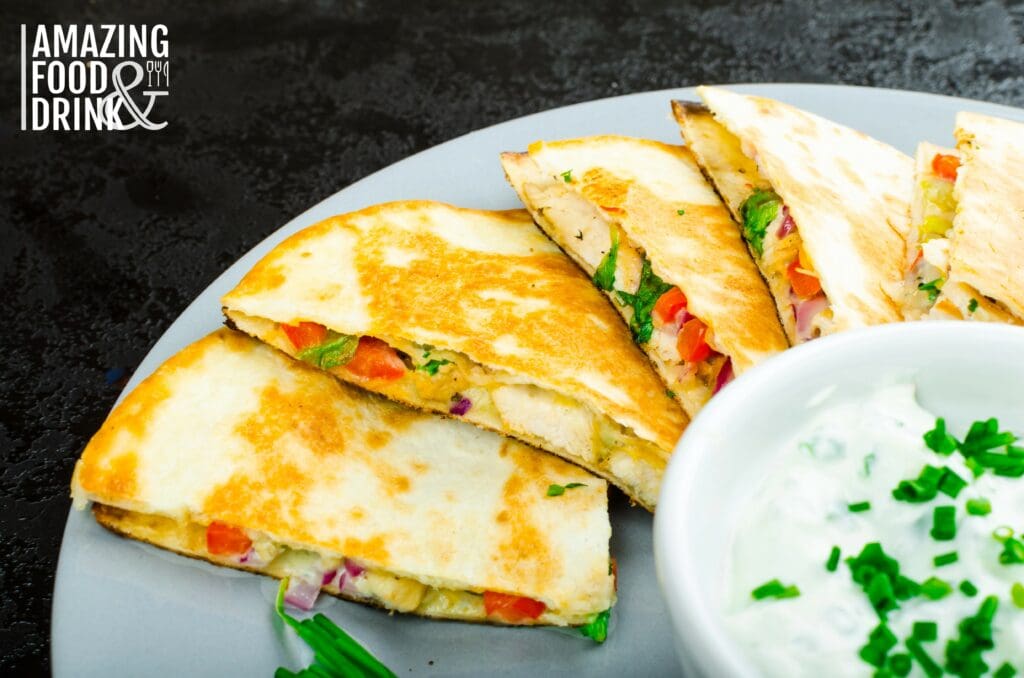
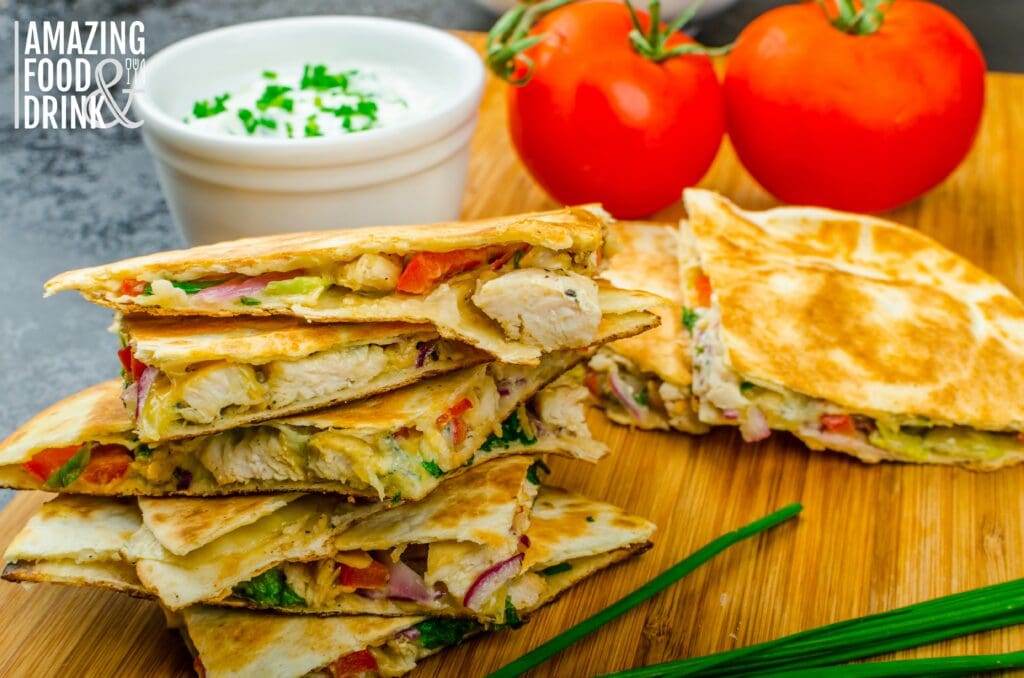
Chicken quesadillas are a delightful and flavourful dish that is loved by food enthusiasts all around the world. A delectable experience is produced when soft chicken, melted cheese, and flavourful seasonings are all rolled into a warm tortilla.
Crafting the perfect chicken quesadilla involves choosing the right ingredients, finesse in the cooking process, and pairing it with delightful sides. In this article, we’ll explore the step-by-step guide to making an authentic chicken quesadilla, along with tips to enhance its flavours.
How to Make Chicken Quesadillas
Preparing authentic chicken quesadillas involves several essential steps to ensure the dish comes out perfectly. Let’s delve into the key stages of making this delectable Mexican dish.
httpss://www.youtube.com/watch?v=1QZzL-gGx_M
Preparation of Chicken
To start, you will need to prepare the chicken. Whether you opt for chicken breast, rotisserie chicken, or leftover chicken, ensure that the meat is cooked and shredded into small, bite-sized pieces. Seasoning the chicken with flavourful ingredients like cumin, chilli powder, salt, and pepper will infuse it with authentic Mexican flavours.
Assembly of Quesadillas
Once the chicken is prepared, it’s time to assemble the quesadillas. The seasoned chicken should be equally distributed on one-half of each wheat tortilla once they have been laid out. Additionally, adding a blend of cheddar and Monterey Jack cheese will contribute to the gooey and flavourful texture of the quesadillas.
Cooking Process
Now, it’s time to cook the quesadillas. Place the completed quesadillas carefully in a skillet set over medium heat. Cook the quesadillas for a few minutes on each side until the tortillas turn golden brown and the cheese inside is melted to perfection.
Best Cheese for Chicken Quesadillas
The type of cheese used in chicken quesadillas is pivotal in determining its overall taste and texture. Let’s explore the various aspects of choosing the best cheese for this beloved dish. The cheese’s melting point should be considered when choosing the best cheese for chicken quesadillas. A melting cheese that melts well, such as Oaxaca, Monterey Jack, or cheddar, will give the quesadilla’s contents a gooey, creamy quality. On the other hand, Harder cheeses, such as Pecorino, Romano, or Parmesan, might not melt as quickly, leaving the filling dry and crumbly.
Additionally, the flavour profile of the cheese is another critical factor. Cheddar cheese provides a sharp and tangy taste, while Monterey Jack offers a milder buttery flavour. Pepper Jack cheese also adds a nice flavour to the quesadillas, and Oaxaca cheese contributes a rich and slightly salty taste. Ultimately, the choice of cheese should complement the other ingredients in the quesadilla, such as the seasoned chicken, onions, peppers, and salsa.
Furthermore, the cheese’s texture can impact the quesadilla’s overall mouthfeel. Some cheese varieties, like crumbled queso fresco or cotija cheese, add a crumbly and slightly grainy texture, which can contrast the soft tortilla and tender chicken. In contrast, a smooth and creamy cheese, such as a processed cheese spread or a cheese sauce, can create a more uniform and gooey filling.
The type of cheese used in chicken quesadillas can significantly influence the dish’s taste, texture, and overall enjoyment. By considering the melting point, flavour profile, and texture of the cheese, you can select the best option to enhance the deliciousness of your quesadillas.
Recommended Types of Cheese
When it comes to crafting the best chicken quesadillas, cheddar and Monterey Jack cheese are highly recommended for their exceptional melting properties and robust flavours. Using a mix of these two cheeses will result in a creamy and indulgent filling for the quesadillas.
The seasoned and grilled chicken is essential for a wonderful chicken quesadilla, along with the cheese. Before grilling, marinade the chicken in a mixture of lime juice, garlic, cumin, and chilli powder to give it more taste and softness. Lay down a flat tortilla and cover one side with a layer of the blended Monterey Jack and cheddar cheese to make the quesadillas. Next, combine the cheese with the grilled chicken, onions, and cut bell peppers. Over the filling, fold the remaining tortilla in half.
Cook the quesadillas on a hot skillet. Serve the quesadillas with fresh salsa, sour cream, and guacamole for a complete and delicious meal. With the perfect combination of cheeses, seasoned grilled chicken, and fresh toppings, these chicken quesadillas are sure to be a hit at any meal!
Creating a Perfect Cheese Blend
Just shred the Monterey Jack and cheddar cheeses and combine them to make the ideal cheese combination. When the cheese melts inside the tortillas, this mixture guarantees the quesadillas a gooey, gratifying feel.
You may also add more cheeses to your blend to make it more unique, like mozzarella for a stretchier texture or pepper jack for a little zing. Try out various combinations to discover the ideal one that fits your preferences. Use freshly shredded cheese instead of pre-packaged cheese to get the best melting results because the anti-caking chemicals in pre-shredded cheese can impede the melting process.
Once your cheese blend is ready, sprinkle it onto your tortillas and other desired toppings, then fold and cook. Enjoy your delicious homemade quesadillas with the perfect cheese blend!
Substitutes for Traditional Cheese
If you’re looking for alternative options, cheeses like queso fresco, Oaxaca cheese, or even a spicy pepper jack can be substituted to add a unique twist to the traditional chicken quesadilla recipe. You can also try using a dairy-free cheese substitute, like shredded vegan mozzarella or cheddar, if you’re going vegan. Try other veggies, such as onions or mushrooms, to give your quesadilla some extra taste and texture.
Choosing the Right Tortilla
The choice of tortilla can significantly impact the overall taste and texture of the chicken quesadilla. Let’s review the different considerations for selecting the perfect tortilla for this beloved dish.
Corn vs. flour tortilla: Corn tortillas have a slightly nutty and earthy flavour, while flour tortillas are milder in taste. The choice between the two is a matter of personal preference. Corn tortillas are traditionally used in Mexican cuisine, while flour tortillas are commonly used in Tex-Mex dishes.
Freshness: Whether you choose corn or flour tortillas, using fresh ones is crucial. Stale tortillas can become dry and brittle when heated, affecting the overall texture of the quesadilla.
Size: The tortilla’s size will determine the quesadilla’s overall size. Smaller tortillas are suitable for individual servings, while larger ones can be used to make a family-sized quesadilla.
Thickness: The tortilla’s thickness can impact the quesadilla’s overall texture. Thicker tortillas will result in a heartier and chewier quesadilla, while thinner ones will yield a crispier and more delicate texture.
Gluten-free options: If you have dietary restrictions, you may want to consider using gluten-free tortillas to accommodate those with gluten sensitivities.
Ultimately, the perfect tortilla for a chicken quesadilla is a matter of personal preference and dietary needs. Whether you choose corn or flour, fresh and high-quality tortillas will enhance this classic dish’s overall flavour and texture.
Flour or Corn Tortillas
Traditionally, flour tortillas are the go-to choice for making chicken quesadillas due to their soft and pliable nature, which allows for easy folding and grilling. However, corn tortillas can also be a great option for a more authentic touch, imparting a slightly different texture and flavour profile to the dish.
To make chicken quesadillas with flour tortillas:
Start by heating a large skillet over medium heat.
Add a small amount of oil to the skillet and place a tortilla in the pan.
Spread a layer of shredded cooked chicken and shredded cheese on one half of the tortilla.
Fold the other half over the filling to create a half-moon shape.
Cook for a few minutes on each side until the tortilla is golden brown and the cheese is melted.
Repeat with the remaining tortillas and filling.
For a twist on the traditional recipe, use corn tortillas instead. Simply warm the corn tortillas a few seconds on each side to make them pliable, then proceed with filling and folding as with the flour tortillas.
Whichever type of tortilla you choose, don’t be afraid to get creative with the filling. Add in some sautéed onions and bell peppers, black beans, or even sliced avocado for extra flavour and texture. Serve your chicken quesadillas with salsa, guacamole, and sour cream on the side for a delicious and satisfying meal. Enjoy!
Making Homemade Tortillas
If you’re feeling adventurous, you can elevate your chicken quesadilla by making homemade tortillas from scratch. By using a simple mixture of flour, salt, and water, you can create fresh, flavourful tortillas that complement the chicken and cheese filling perfectly.
To make the tortillas:
Start by combining 2 cups of all-purpose flour and 1/2 teaspoon of salt in a large mixing bowl.
Gradually add 3/4 cup of warm water to the flour mixture, stirring until a dough forms.
Knead the dough on a floured surface for about 3-5 minutes or until it becomes smooth and elastic.
Make eight equal bits out of the dough, then roll each one into a ball. You may start assembling your chicken quesadilla after your handmade tortillas are done. Spread a large layer of shredded cheese over half of a tortilla that has been placed on a flat surface. Then, fold the tortilla in half to enclose the contents after adding the cheese.
The folded quesadilla should be placed in a heated skillet over medium heat. Cook for 2-3 minutes on each side or until the tortilla is crispy and the cheese is melted. Once your homemade chicken quesadilla is ready, you can serve it with your favourite toppings such as salsa, sour cream, guacamole, or chopped fresh cilantro. Enjoy your delicious and elevated homemade chicken quesadilla!
Reheating Tortillas
It’s imperative to reheat tortillas before making the quesadillas if you’re using store-bought or leftovers. To do this, simply cook the tortillas in a dry skillet for a few seconds on each side or until they are soft and malleable enough to fold and fill.
You can warm the tortillas in the oven for a few minutes after being covered in foil or briefly reheated in a microwave. It would be simpler to fold the tortillas without them tearing or shattering if you warm them up before making the quesadillas. Enhancing the flavour and texture of the tortillas also contributes to a more pleasurable eating experience.
Perfect Seasoning for Chicken Quesadillas
Seasoning the chicken for quesadillas is a crucial step in ensuring that the dish is bursting with tantalising flavours. Let’s explore the art of seasoning the chicken to perfection. First, start with a good quality chicken breast. Make sure to pat it dry with a paper towel to remove any excess moisture.
Next, to give the chicken a genuine and tasty flavour, think about utilising a seasoning combination with Mexican influences. A mixture of cumin, chilli powder, garlic powder, onion powder, paprika, oregano, and a dash of cayenne for added spice could be used in this. You can change the proportions of each spice to fit your own tastes.
Make a paste out of the seasoning and a tiny bit of oil to help the seasoning adhere to the chicken. Apply a uniform coating to the entire chicken breast by rubbing it with this mixture.
If you have the time, marinating the chicken for a few hours or even overnight will allow the flavours to penetrate the meat more deeply, resulting in even more delicious quesadillas.
When you’re ready to cook the chicken, you can opt for grilling, pan-searing, or baking it until it’s cooked through and has a delicious char or caramelisation on the outside. Once the chicken is cooked, let it rest for a few minutes before slicing it into thin strips or bite-sized pieces, which will make it easier to distribute evenly throughout the quesadillas.
By seasoning the chicken properly, you’ll elevate your quesadillas to a whole new level of deliciousness. Enjoy your perfectly seasoned chicken quesadillas!
Ingredients for the Seasoning
The key ingredients for seasoning the chicken include cumin, chilli powder, salt, and pepper. These spices not only add depth to the flavour of the chicken but also infuse it with classic Mexican-inspired aromas.
Cumin: This aromatic spice has a warm, earthy flavour with a slightly nutty undertone, making it an essential ingredient in Mexican cuisine.
Chilli Powder: A combination of dried ground chilli peppers, cumin, garlic, and other spices, chilli powder adds heat and depth to the chicken. It provides a rich and smoky flavour that gives the chicken its signature Mexican-inspired taste.
Salt: Salt is essential for seasoning the chicken and enhancing the dish’s overall flavour. It helps to bring out the flavours of the other spices and ingredients, making the chicken taste more vibrant and delicious.
Pepper: Ground black pepper adds subtle heat and mild spice to the chicken, complementing the flavours of the other spices and creating a well-rounded and balanced seasoning.
Combining these key ingredients allows you to create a delicious and flavourful seasoning for the chicken that captures the essence of Mexican-inspired cuisine. Whether you’re grilling, roasting, or sautéing the chicken, these spices will infuse it with a rich and aromatic flavour that will leave your taste buds tingling.
Marinating the Chicken
To ensure that the seasoning permeates the chicken thoroughly, marinate the shredded chicken with the spice blend for at least 30 minutes before assembling the quesadillas. This marinating process will enhance the overall taste of the dish.
You may add some lime juice to the shredded chicken before marinating to add a zesty flavour. Once the chicken is marinated, you can then proceed to assemble the quesadillas by evenly distributing the chicken and cheese between the tortillas before grilling them to a golden brown. This method makes the chicken flavourful and tender in every bite of the quesadilla. Enjoy your delicious and well-seasoned chicken quesadillas!
Adjusting Seasoning to Taste
Experimentation with seasoning is encouraged to tailor the flavour to your preferences. Whether you prefer a spicier kick or a milder taste, adjusting the amount of seasoning allows you to customise the quesadillas to your liking. Don’t be afraid to get creative and have fun with it! Remember, the beauty of cooking is being able to tailor the dish to your own taste preferences. Enjoy!
Enhancing Quesadillas with Sides
Pairing chicken quesadillas with the right sides can elevate the dining experience and complement the dish’s flavours. Let’s explore the various options for enhancing the quesadillas with delectable sides.
Mexican Rice: This classic side dish goes hand in hand with chicken quesadillas. The fluffy, flavourful rice will soak up any extra cheese or sauce from the quesadillas, making for a delicious combination.
Black Bean Salad: A light and refreshing black bean salad can add a nice contrast to the richness of the quesadillas. The beans also offer a good source of protein and fibre to round out the meal.
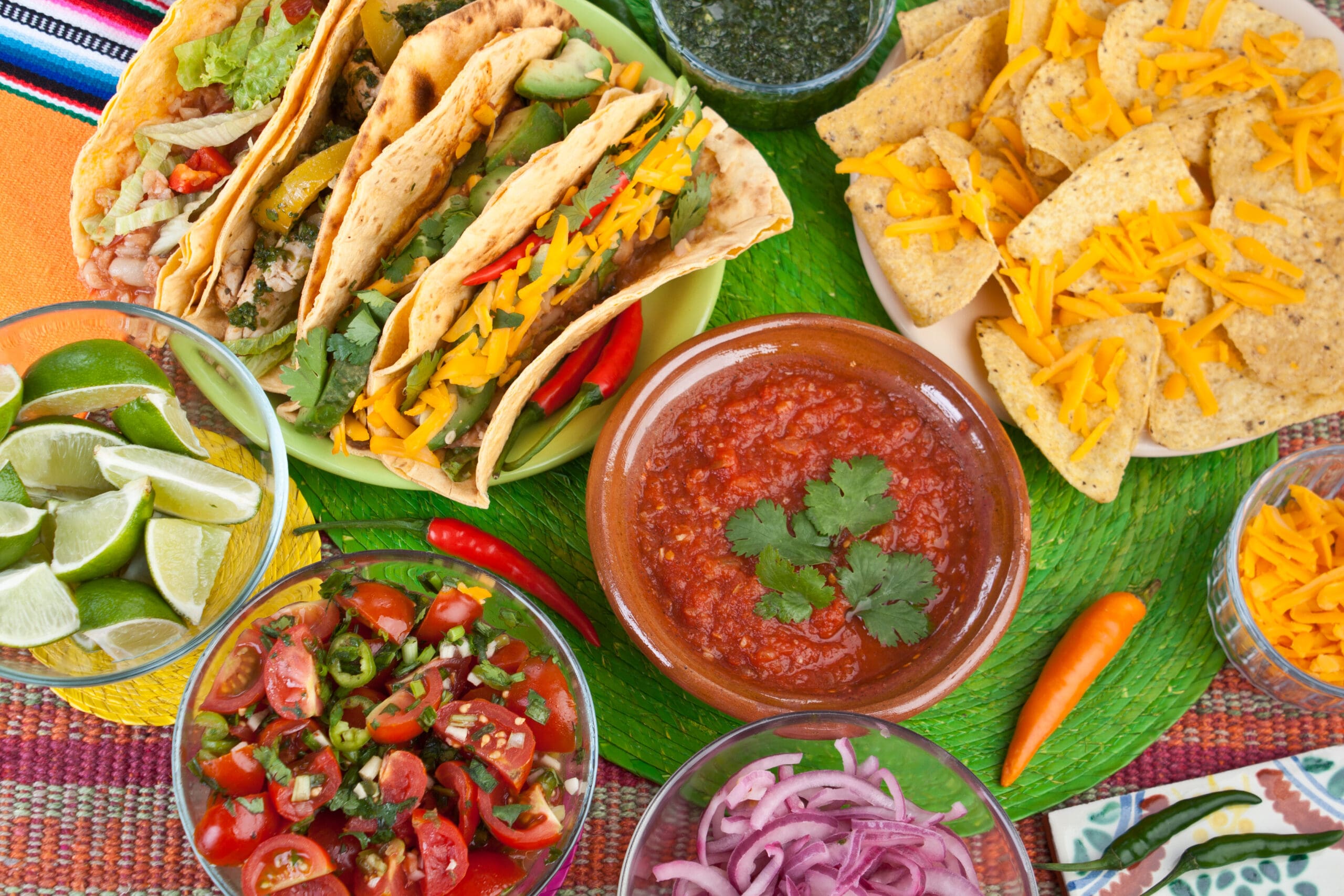
Guacamole and Chips: Creamy guacamole and crunchy tortilla chips are a must-have side for any Mexican-inspired dish. The creamy texture of the guacamole complements the cheesy chicken quesadillas perfectly.
Corn and Avocado Salad: A fresh corn and avocado salad can provide a burst of flavour and texture to balance out the rich and savoury quesadillas. The sweetness of the corn and creamy avocado create a harmonious pairing.
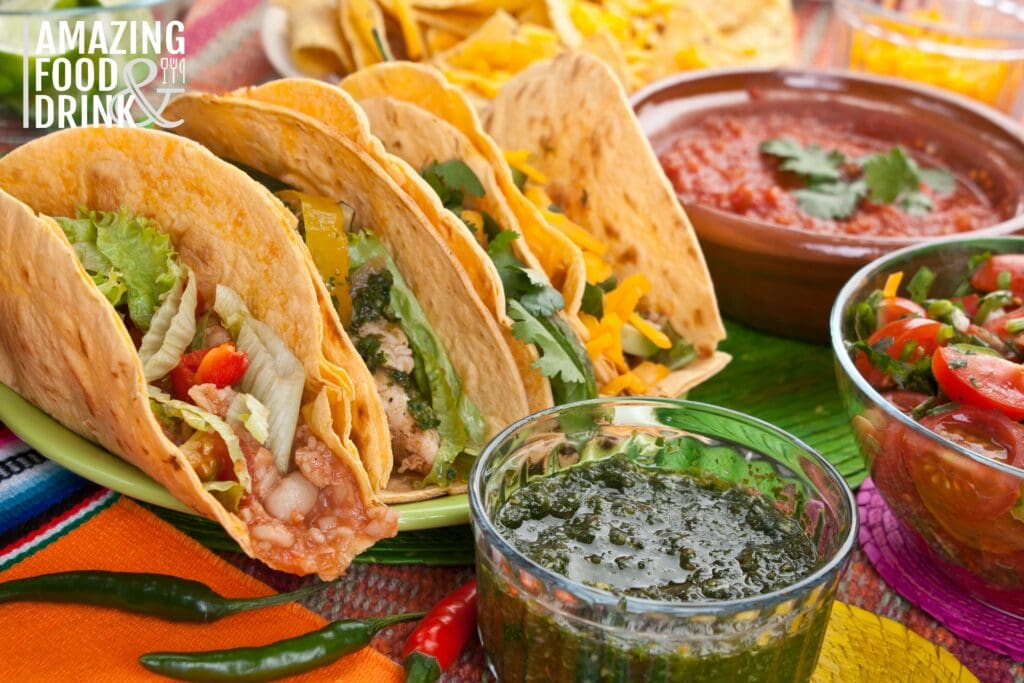
Salsa and Sour Cream: These classic condiments are essential for dipping your quesadillas. The tangy salsa and cool sour cream add a punch of flavour and help cut through the richness of the dish.
Grilled Vegetables: Adding some grilled vegetables, such as bell peppers, onions, and zucchini, can provide a healthy and colourful side to the quesadillas. The smoky char from the grill will enhance the overall flavour profile.
Cilantro Lime Coleslaw: A zesty and vibrant coleslaw made with cilantro and lime can bring a refreshing and crunchy element to the meal. Its tangy dressing can complement the cheesy, savoury quesadillas.
Select one or more of these sides to make a filling and impressive dinner that will enhance the dining experience and accentuate the flavourful chicken quesadillas.
Recipes for Salsa and Guacamole
Classic accompaniments such as homemade salsa and guacamole are perfect for serving alongside chicken quesadillas. The vibrant and zesty flavours of salsa and the creamy richness of guacamole create a delightful contrast that enhances the overall meal.
Salsa, typically made with tomatoes, onions, cilantro, and jalapenos, adds a fresh and tangy kick to the quesadillas. It provides a burst of acidity and brightness that cuts through the richness of the melted cheese and savoury chicken filling. Guacamole, on the other hand, brings a smooth and creamy element to the dish. Made from ripe avocados, lime juice, onions, and cilantro, it provides a cooling and slightly nutty flavour that complements the spiciness of the quesadillas.
Together, these two condiments offer a perfect balance of flavours and textures that elevate the simple chicken quesadillas into a feast for the senses. Plus, they add a pop of colour to the plate, making the meal even more visually appealing. Whether you like to dip each bite of quesadilla into the salsa and guacamole or spoon them directly onto the quesadilla, these classic accompaniments are sure to take your chicken quesadillas to the next level.
So, the next time you’re serving up this tasty Tex-Mex dish, be sure to have a bowl of homemade salsa and guacamole on hand for the perfect finishing touch.
Choosing the Right Sides
Additionally, simple sides like a crisp green salad, Mexican rice, or refried beans can be served alongside the quesadillas to round out the meal with a variety of textures and flavours.
For a more substantial meal, add some grilled vegetables, black beans, or fresh salsa for a burst of freshness. Remember the guacamole and sour cream for dipping! These sides will perfectly complement the cheesy, gooey quesadillas and make for a satisfying and delicious meal. Enjoy!
Pairings with Quesadillas
For a complete dining experience, consider pairing the quesadillas with refreshing beverages such as iced hibiscus tea, a zesty margarita, or a cool and citrusy Mexican-style soda to complement the dish’s bold flavours.
If you’re looking for non-alcoholic options, a fresh fruit agua fresca or crisp Mexican mineral water with a squeeze of lime would also be delightful choices to accompany the quesadillas. Remember to finish off the meal with a sweet and indulgent churro for a truly satisfying dining experience.


 Shaimaa Olwan