Today’s nut-free breakfast bars are a delightful blend of innovation, flavour, and nutrition, catering to those with allergies and anyone pursuing a wholesome, on-the-go morning meal.
These bars not only cater to the needs of individuals with nut allergies but also offer everyone a convenient, nutritious, and delicious start to the day.
In this article, we delve into the world of nut-free breakfast bars, exploring their benefits, variety, and the top eight brands that are redefining morning routines.
8 Popular Nut-Free Breakfast Bar Brands
We will list brands that have built a name for themselves in the nut-free breakfast bar industry. From well-known brands to newcomers, these companies are changing how people think about breakfast.
Whether you’re a parent looking for safe snack options for your children, someone with a nut allergy looking for variety in your diet, or simply a health enthusiast looking for nutritious breakfast alternatives, this list will introduce you to the top nut-free breakfast bar brands that are making waves in the food industry.
MadeGood
MadeGood is a top choice for nut-free breakfast bars. They are made in a place where no nuts can get to them. This makes them safe snacks for people with allergies. Each bar is also free from dairy, making it perfect for vegans! You will find these bars delicious for you because they are organic and gluten-free.
Even their cereals follow the same rules as the bars, with no sign of peanuts or any scary allergens like fish or shellfish! So, next time you want a quick snack or breakfast on the go, grab a MadeGood granola bar! Their chocolate-drizzled ones are yummy!
88 Acres
88 Acres is a brand loved by many. They make top-class snacks that are free from common allergens. Their Seed Bars are all made by hand at a place where no gluten is allowed. That makes these bars great for people who can’t eat gluten.
The best part is that their bakery has zero peanuts, tree nuts, dairy, eggs, soy, or sesame in it. Plus, there’s a bunch of tasty flavours to pick from! Each bar feels like eating granola.
Don’t Go Nuts
Don’t Go Nuts is everyone’s go-to for nut-free bars. They care about keeping their snacks safe for allergy sufferers. Not just peanuts and tree nuts, they keep other things out, too, like eggs, wheat and shellfish.
The place where they make the food is also kept free from these things. Their snacks are not only nut-free but gluten-free and organic as well. Children can take them to school without worry because they are safe for everyone. Plus, they only use organic stuff that’s GMO-free in their snack bars!
Blake’s Seed Based
Blake’s Seed Based makes tasty, healthy snack bars. They use natural raspberry, pumpkin seeds, sunflower seeds and flax seeds. These bars are safe for all as they don’t have any of the top 8 allergens.
So, if you can’t eat peanuts or tree nuts, dairy, eggs or gluten, these bars are perfect! Even people who don’t eat fish and shellfish can enjoy them. Blake’s factory only makes food that is certified gluten-free and nut-free.
One very cool thing? Blake’s Seed-Based Rice Crispy Treats are the first vegan ones to be nut-free, too!
Nature’s Bakery
Nature’s Bakery is a true gem for food lovers like me. All their products are nut-free, which makes them safe for anybody with nut allergies. The Fig Bars they make have earned much love! They are plant-based, dairy-free and GMO-free.
Besides being soft-baked, these bars are full of whole grains and yummy fruit fillings that always hit the spot in the morning or any time you need a pick-me-up snack.
Another good thing? These treats are approved by the Whole Grain Council. But wait, there’s more! For all our gluten-free pals out there, you’ve got to try their fig bars, too, because they also cater to your needs! Nature’s Bakery is undoubtedly one of the top recommendations for healthy, allergen-free breakfast options.
LÄRABAR Variety Pack
The LÄRABAR Variety Pack is a great option for kids who need nut-free breakfast bars. It includes 16 bars in total, each weighing 1.7 oz. These bars are gluten-free and vegan, so they’re suitable for those with specific dietary needs.
What’s great about these bars is that they’re made from whole food ingredients, like unsweetened fruits and spices. They also contain Fair Trade Chocolate, making them even more delicious! So, if you’re looking for a convenient and tasty breakfast option that’s free from nuts and packed with goodness, the LÄRABAR Variety Pack is definitely worth trying.
Nature Valley Crunchy Oats’ n Honey Granola Bars
Nature Valley Crunchy Oats’ n Honey Granola Bars are a tasty and convenient nut-free breakfast option. These granola bars are made with all-natural ingredients, including whole-grain oats, honey, and canola or sunflower oil.
There are no artificial tastes or colours in them. Each serving of these granola bars provides 22 grams of whole grains, making them a high-fibre snack to keep you satisfied throughout the morning.
Plus, Nature Valley Crunchy Oats’ n Honey Granola Bars are gluten-free and dairy-free, making them suitable for those with dietary restrictions. Whether you’re rushing out the door in the morning or need a quick snack on the go, these delicious granola bars are always a reliable choice.
Annie’s Organic Dipped Granola Bars
Annie’s Organic Dipped Granola Bars are a great nut-free breakfast option for kids. These delicious bars are made in a peanut-free facility, making them safe for children with allergies.
The caramel-dipped granola Bars have only 110 calories per serving, while the Chocolate Chip Granola Bars have 35% less sugar than other dipped granola bars on the market. Plus, they contain 8 grams of whole grains per serving, providing a healthy start to your child’s day.
With their organic ingredients and tasty flavours, Annie’s Organic Dipped Granola Bars are the perfect choice for a kid-friendly breakfast on the go.
10 Benefits of Nut-Free Breakfast Bars
Nut-free breakfast bars offer a range of benefits, making them a valuable addition to many people’s diets, especially for those with nut allergies or in settings where nut allergies are a concern.
Here are some of the key benefits of nut-free breakfast bars:
Allergy Safety
The most obvious benefit is the safety they provide for individuals with nut allergies. These bars eliminate the risk of nut allergen exposure, which is crucial for those with severe allergies.
Inclusive Snacking Options
Nut-free bars are ideal for schools, workplaces, and social gatherings where nut allergies are a concern. They provide a safe snacking option that everyone can enjoy, reducing the worry for both individuals with allergies and those who are providing food.
Nutrient-Rich Ingredients
Many nut-free bars are made with alternative ingredients like seeds (sunflower, pumpkin, chia), oats, and fruit, which are rich in essential nutrients like fibre, vitamins, minerals, and healthy fats.
Convenience
Like other breakfast bars, nut-free options offer a convenient, on-the-go meal or snack. This is particularly beneficial for busy mornings or as a quick snack during the day.
Energy Boosting
They are frequently filled with components that provide a good balance of carbohydrates, protein, and fats, providing a steady energy release that is great for starting the day or as a pre/post-workout snack.
Dietary Diversity
For those looking to diversify their diet beyond nuts, these bars offer an array of flavours and textures from different ingredients, expanding the variety in one’s diet.
Lower Risk of Cross-Contamination
In manufacturing, nut-free bars are often produced in dedicated facilities to prevent cross-contamination with nuts, making them safer for those with severe allergies.
Healthy Alternative to Processed Snacks
Many nut-free bars are made with whole, minimally processed ingredients, making them a healthier alternative to many processed snack options that are high in sugar and unhealthy fats.
Appeal to Various Dietary Preferences
They often cater to other dietary needs and preferences, such as being gluten-free, vegan, or non-GMO, making them a versatile choice for different nutritional requirements.
Mental Peace for Parents and Caregivers
For parents or caregivers of children with nut allergies, these bars provide a worry-free snack option for their kids, especially in social or school settings.
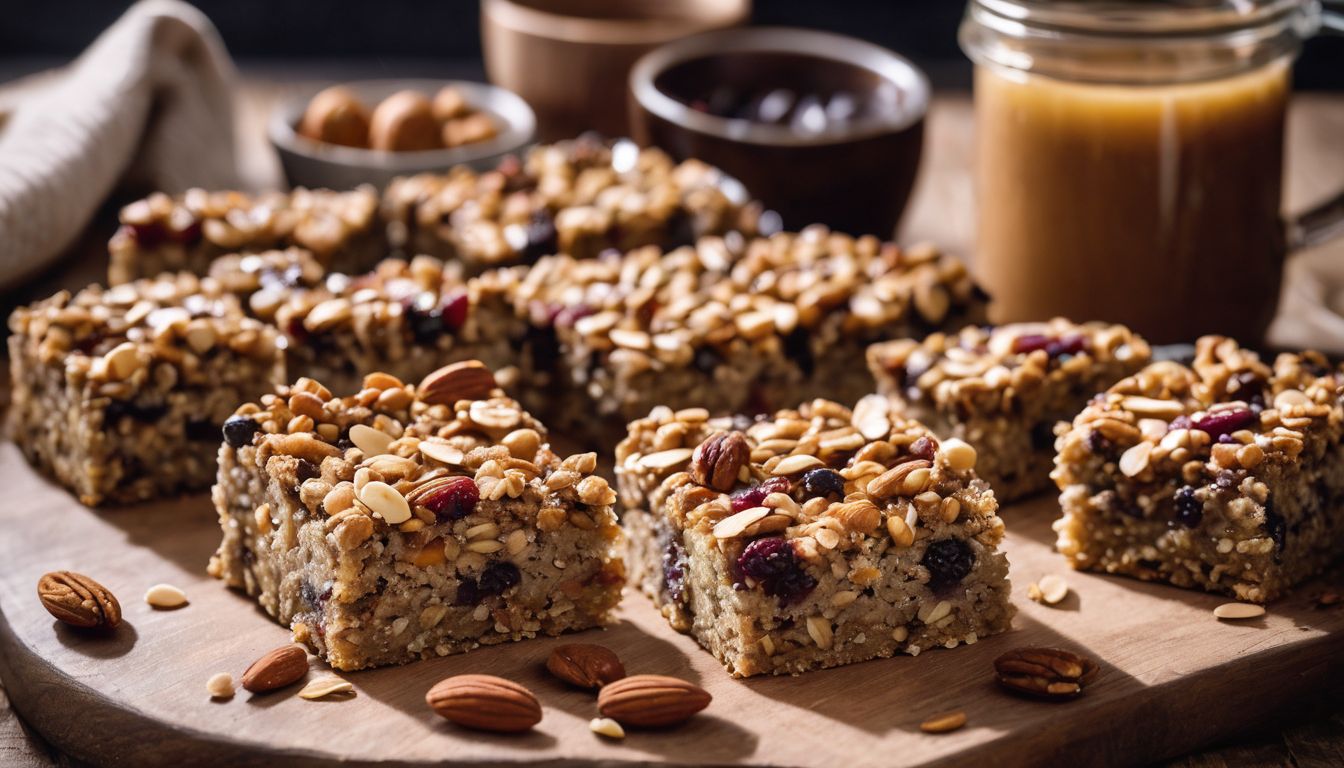
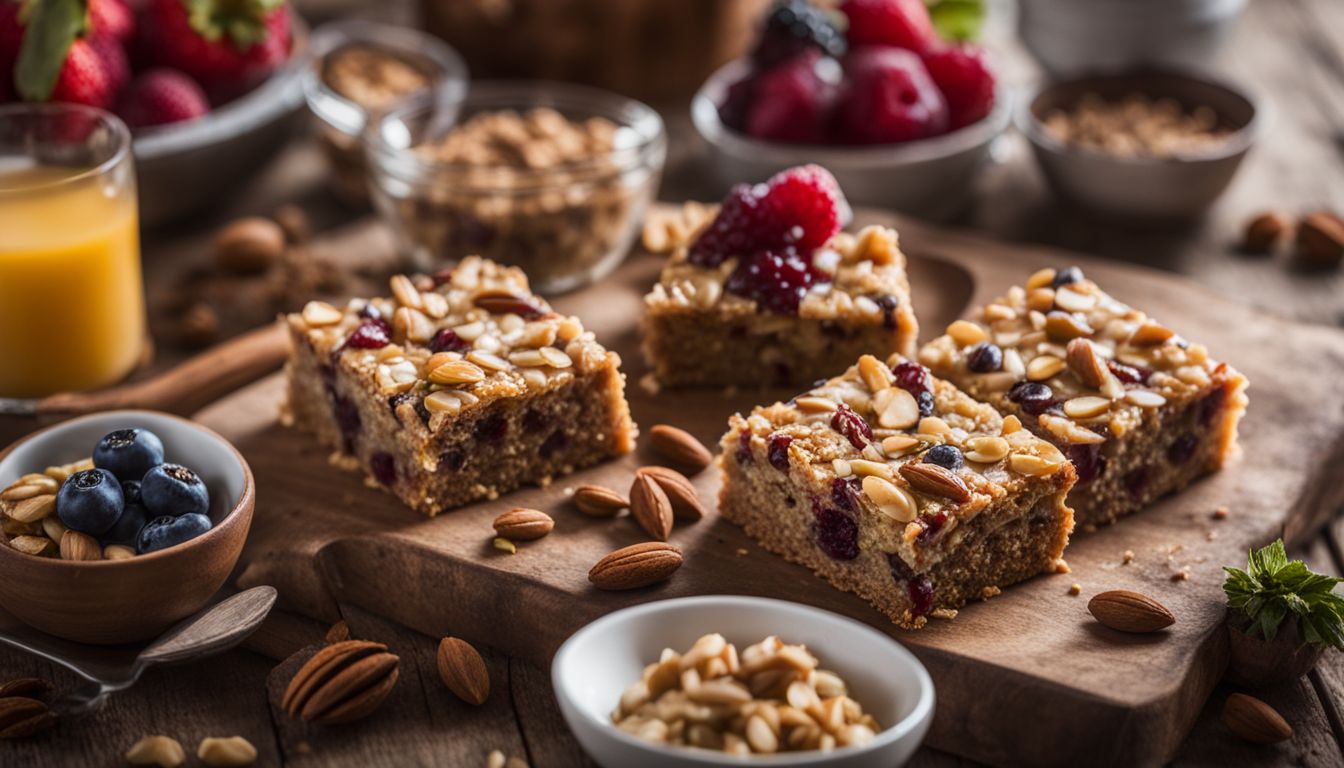
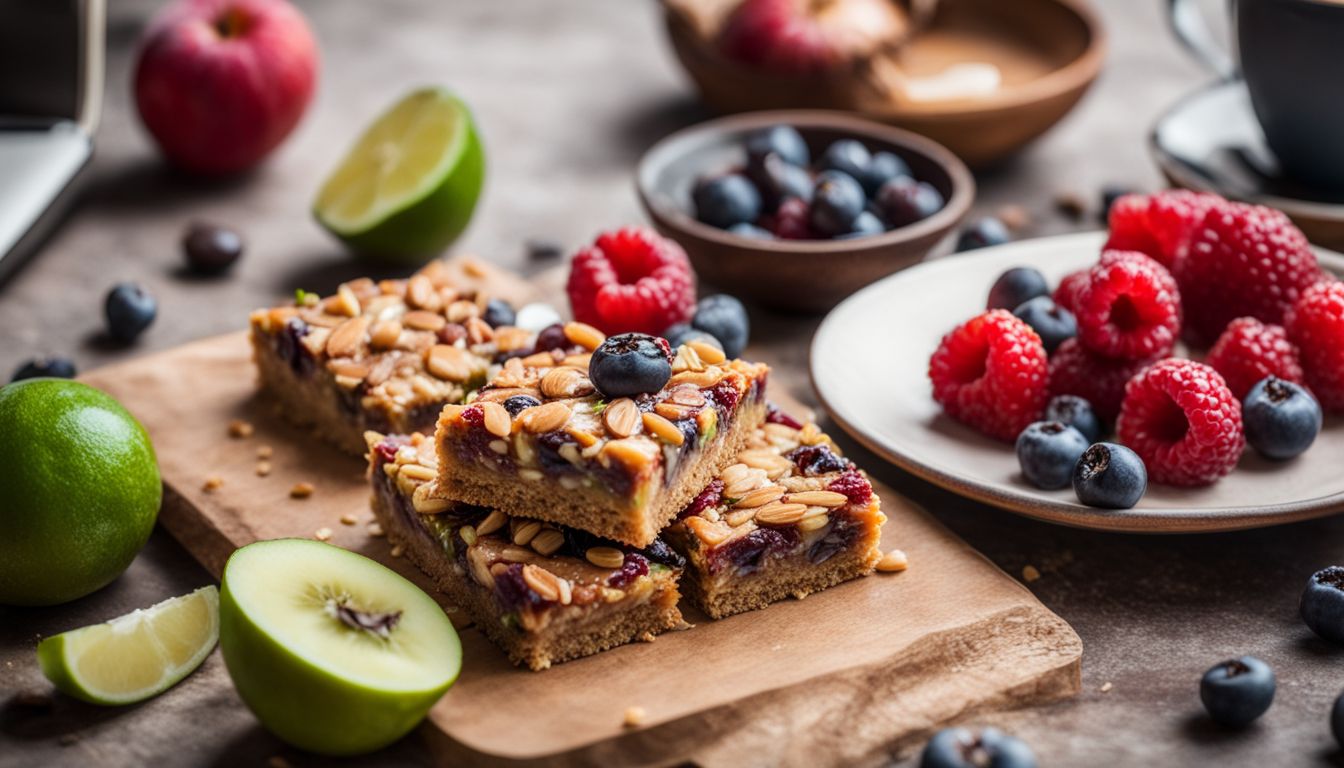
Oat and Seed Breakfast Bars are a nutritious and convenient snack or breakfast option. They typically consist of a blend of whole oats, which provide a hearty, fibre-rich base. Various seeds, such as pumpkin seeds, sunflower seeds, chia seeds, and flaxseeds, are often added for their nutritional benefits, including essential fatty acids, protein, and additional fibre.
These bars may also include ingredients like honey or maple syrup for natural sweetness and dried fruits like cranberries or raisins for extra flavour and texture. These bars are usually baked until they are firm and golden, offering a satisfying texture that’s both chewy and slightly crisp. Ideal for on-the-go consumption, they are a healthy alternative to processed snacks and can be easily customised to cater to different dietary preferences or restrictions.
Ingredients
2 cups rolled oats
1/2 cup sunflower seeds
1/2 cup pumpkin seeds
1/4 cup chia seeds or flaxseeds
1/2 cup dried fruit (like raisins or cranberries)
1/4 cup honey or maple syrup
1/4 cup coconut oil or melted butter
1 teaspoon vanilla extract
1/2 teaspoon cinnamon
A pinch of salt
Instructions
Preheat your oven to 350°F (175°C). Line a baking pan with parchment paper.
Mix the oats, sunflower seeds, pumpkin seeds, chia seeds, and dried fruit in a large bowl.
Heat the honey (or maple syrup), coconut oil, vanilla, cinnamon, and salt in a small saucepan. Stir until well combined.
Pour the liquid mixture over the dry ingredients and mix until everything is evenly coated.
Spread the mixture in the prepared pan, pressing down firmly.
Bake for 20-25 minutes or until the edges are golden brown.
Let it cool completely before cutting into bars.
Banana and Chocolate Chip Breakfast Bars
Banana and Chocolate Chip Breakfast Bars are a delightful and energising treat, perfect for a quick breakfast or a snack on the go. These bars typically feature ripe bananas, which not only impart a natural sweetness but also lend a moist, tender texture to the bars. The bananas act as a binding agent as well, reducing the need for excessive amounts of oil or butter.
Integral to these bars are rolled oats, which provide a wholesome, fibrous base, contributing to a feeling of fullness and sustained energy. Chocolate chips add a touch of indulgence and sweetness, making these bars particularly appealing to those with a sweet tooth.
Ingredients
3 ripe bananas, mashed
2 cups quick oats
1/3 cup apple sauce
1/4 cup milk or a milk alternative
1/2 cup chocolate chips (ensure they’re nut-free)
1 teaspoon vanilla extract
A pinch of cinnamon
Instructions
Preheat the oven to 350°F (175°C) and prepare a baking pan with parchment paper.
Combine the mashed bananas with oats, apple sauce, milk, chocolate chips, vanilla extract, and cinnamon in a large bowl.
Spread the mixture evenly in the prepared pan.
Bake for 25-30 minutes or until the edges start to turn golden brown.
Allow the bars to cool completely before cutting them into pieces.
Tips
Always check your ingredients’ labels to ensure they are truly nut-free, especially if you’re catering to someone with a nut allergy.
Feel free to customise these recipes with your favourite ingredients like seeds, dried fruit, or other add-ins.
To keep the bars fresh, store them in an airtight container.
httpss://www.youtube.com/watch?v=PUx3xc5BMJE
Crunch Time
In conclusion, whether you’re a parent packing a school snack, an athlete looking for a quick energy boost, or simply someone who enjoys a tasty and convenient breakfast, there’s a nut-free breakfast bar out there for you. By choosing these brands, you’re not just making a safe choice for yourself or your loved ones; you’re also supporting a movement towards a more inclusive and health-conscious food industry.
FAQs
u003cstrongu003eCan nut-free breakfast bars provide enough protein and energy?u003c/strongu003e
Absolutely. Many nut-free bars are made with seeds (like sunflower or pumpkin), oats, and other ingredients that are good sources of protein and carbohydrates, offering a balanced energy boost.
u003cstrongu003eHow do I know if a breakfast bar is truly nut-free?u003c/strongu003e
Check the packaging for labels like u0022nut-freeu0022 or u0022made in a nut-free facility.u0022 Also, look for allergen statements and ingredient lists to ensure no nuts are included.
u003cstrongu003eAre there vegan and gluten-free nut-free breakfast bars?u003c/strongu003e
Yes, many brands offer options that are also vegan and gluten-free, catering to a wide range of dietary needs and preferences.
u003cstrongu003eAre nut-free breakfast bars suitable for children?u003c/strongu003e
Yes, they are an excellent choice for children, especially as a safe snack option for school or activities where nut allergies are a concern.
u003cstrongu003eHow long do nut-free breakfast bars last?u003c/strongu003e
The shelf life varies by brand and ingredients, but commercially produced bars typically have several months of shelf life. Homemade bars usually last 1-2 weeks when stored in an airtight container.
u003cstrongu003eAre nut-free bars more expensive than regular bars?u003c/strongu003e
The price can vary, but nut-free bars are often competitively priced with other speciality health food bars. Prices can vary depending on ingredients and brand reputation.
u003cstrongu003eCan nut-free breakfast bars help with weight management?u003c/strongu003e
Like any food, they can be part of a balanced diet. Many nut-free bars are made with whole grains and seeds, which can be satisfying and help with portion control.

 Noha Basiony