Gilfresh Produce

Gilfresh Produce: Northern Irish Vegetables & Recipes Guide

Author Avatar

Updated on March 1, 2026

When you pick up a packet of Gilfresh vegetables in your local supermarket, you’re holding more than just fresh produce; you’re connecting with three generations of County Armagh farming tradition. This family-run Northern Irish farm has been supplying retailers across Ireland and Northern Ireland with exceptional quality vegetables, and now it’s time to discover how to make the most of these ingredients in your kitchen.

Whilst Gilfresh is known for growing pristine vegetables, the real magic happens when you understand how to prepare them. Whether you’re mastering traditional Northern Irish dishes like champ, perfecting your Sunday roast vegetables, or exploring creative ways to increase your vegetable intake, this comprehensive guide provides everything you need.

Below, we explore the farm-to-fork story of Gilfresh Produce, share expert preparation techniques, reveal five tested recipes that transform simple vegetables into memorable meals, and provide practical cooking guidance that works for both busy families and cooking enthusiasts.

About Gilfresh Produce: Three Generations of Northern Irish Farming

Gilfresh Produce

Gilfresh Produce is a family business of farmers who grow, pack, and sell locally grown produce in retailers across the country. The business is currently run by William Gilpin, who is the third generation of the Gilpin family to run it. He works alongside his father, Thomas Gilpin, and his cousin, Richard Gilpin, to ensure that their produce is at its best, from securing the best land for farming to growing crops to the right size, and having those products processed and sold.

Their farming business started with manual farming with tools and manpower. In more recent years, the family has invested in new technology and techniques, which make the production and processing of their crops easier and more efficient. They have even expanded their range of produce to include processed vegetables, which are chopped, sliced, or mixed together to make them easier for producers to use.

Why County Armagh Vegetables Taste Different

County Armagh, known as the “Orchard County,” possesses unique geographical advantages that directly impact vegetable quality. The region’s fertile, mineral-rich soil creates optimal growing conditions for root vegetables and brassicas. This terroir, a concept usually reserved for wine, applies equally to the humble carrot or parsnip on your chopping board.

  • Natural Sweetness: The cooler Northern Irish climate means a slower growing season, allowing sugars to develop more complexly in root vegetables compared to those grown in warmer regions. This is why Gilfresh carrots and parsnips caramelise beautifully when roasted.
  • Superior Texture: The soil composition contributes to a density in swedes and turnips that holds up during slow cooking or roasting, preventing that mushy texture common with lesser-quality vegetables.
  • Field to Fork Freshness: Gilfresh operates on a rapid turnaround philosophy. The time between harvest and supermarket shelf is minimised, ensuring that the vitamin C content, which degrades over time, remains high. This freshness is particularly noticeable in their scallions and leafy greens.

What Vegetables Do Gilfresh Produce, Grow, and Sell?

Gilfresh Produce grows lots of traditional Northern Irish vegetables such as carrots, broccoli, turnips, cabbage, and cauliflower. Their range reflects the best of Ulster’s agricultural heritage whilst meeting modern cooking needs.

Scallions: The Heart of Ulster Cooking

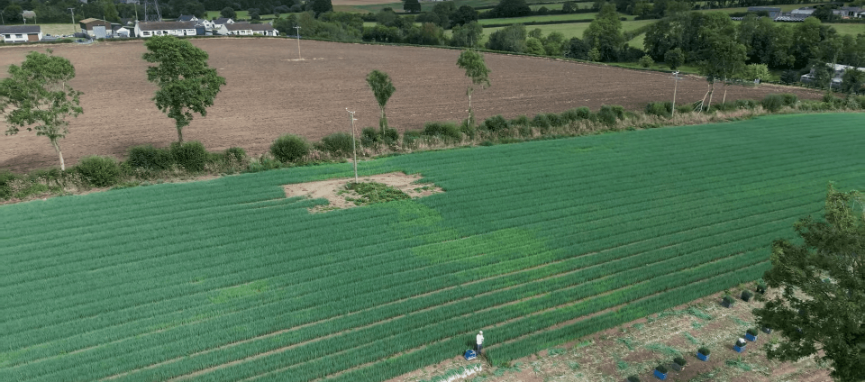
Scallions are used in many great dishes such as champ, soups, and stir-fry. The scallions grown by Gilfresh are planted on specially prepared beds, which are the perfect size to grow three rows of scallions per bed. This method of growing scallions ensures that they grow to the right size for their customers’ needs.

Once grown scallions are picked by hand, their roots are cleaned by shaking, and then they are placed into bunches with two rubber bands to keep them together. This is how they will eventually be sold in stores. Before they can be sold, they are sent to the packing plant, which is also owned by Gilfresh. There, they go through being cut to size, their roots trimmed, and two washes to ensure they are ready for customers. Once quality assurance is complete, they are packed in crates and ready to be sent to retailers the same day or the next morning for the best freshness.

Cooking Tip: When preparing scallions, separate the white and green parts. The white parts can handle higher heat and take longer to cook, making them suitable for the base of soups and stews. Save the green tops for finishing dishes, adding them in the final minutes to preserve their vibrant colour and fresh bite.

Celery: Allergen-Safe Processing

The way Gilfresh handles the growing and processing of their celery is affected by the fact that celery is an allergen. They have several measures in place to ensure there is no cross-contamination between their celery and other crops.

Celery from Gilfresh is grown in a field separate from other crops; the crops themselves are harvested by workers who will not be in contact with other crops. Once the celery crops are harvested by separate equipment, they are packed in a different space from other crops as well. Gilfresh knows the importance of keeping allergens away from other crops and ensuring their separation through each step of the growing, harvesting, and packaging process.

This dedication to allergen management makes Gilfresh celery particularly suitable for households with multiple dietary requirements, as you can trust that the separation protocols are rigorously maintained.

Root Vegetables: The Foundation of Ulster Cuisine

Gilfresh’s range of root vegetables, carrots, turnips, parsnips, and swedes forms the backbone of traditional Northern Irish cooking. These vegetables store well, make hearty winter meals, and provide excellent nutritional value at an affordable price point.

Nutritional Profile:

  • Carrots: Rich in beta-carotene (vitamin A), fibre, and potassium
  • Turnips: Low in calories, high in vitamin C and fibre
  • Parsnips: Good source of folate, potassium, and fibre
  • Swedes: High in vitamin C, calcium, and magnesium

Brassicas: Year-Round Versatility

The Brassica family, cabbage, broccoli, and cauliflower, provides year-round cooking options. Gilfresh grows several cabbage varieties, including Savoy, white, and red cabbage, each suited to different preparations.

How Gilfresh Supports Sustainable Cooking

Gilfresh Produce

One of the core values of Gilfresh Produce is sustainable practice, as they want to work in harmony with the environment when growing and packaging their produce. A few years ago, they added a new feature to their farm to ensure they were making the most out of their food waste.

Gilfresh did this by installing an anaerobic digester on site. This amazing machine processes waste matter into biofuel. The entire Gilfresh Produce farm is run from the electricity created through this anaerobic digester, meaning no food is wasted, and they have reduced carbon emissions. The food which powers the anaerobic digester includes trimmed roots, stems, or even waste leaves.

What This Means for Your Kitchen: The farm’s zero-waste philosophy can inspire your own cooking. Carrot tops can be blended into pesto, broccoli stems can be julienned for slaws, and cabbage cores make excellent additions to vegetable stock. We’ll show you how to maximise every part of your Gilfresh vegetables below.

Gilfresh Product Range: From Whole to Ready-to-Cook

Gilfresh Produce

When Gilfresh first started with whole produce, such as whole carrots, bagged cabbages, and celery stems, these items were still a part of their range. In recent years, however, they have continued to grow their range, offering processed vegetables. Their range includes baton carrots, chopped cabbage, and even pre-mixed vegetables such as soup mix.

Gilfresh have also started to produce its own vegetable and seasoning meal kits for dishes such as fajitas and spice bags. These packets of vegetables come with spice blends included, meaning all you have to add is your choice of protein to create delicious meals. They created this range to make it easier for customers to enjoy the great produce they grow and to get some of their five a day.

Their head of sales, Caroline Dalzell, showed us how simple it is to make an amazing chicken fajita using the Gilfresh Produce meal kit. These pre-prepared vegetables are an efficient solution for busy families, as none of their vegetable packs takes more than fifteen to twenty minutes to cook and are a great part of a balanced diet.

Understanding the Product Range

  • Whole Vegetables: Best for maximum shelf life and versatility. Whole carrots, for instance, stay fresh longer than pre-cut versions and can be prepared in numerous ways, from chunky roasted wedges to finely grated salad.
  • Baton & Julienned Options: Time-saving without sacrificing quality. These are cut fresh at the Gilfresh facility and are suitable for quick stir-fries, roasting, or steaming.
  • Meal Kits: A modern solution that maintains vegetable quality whilst providing convenience. The included spice blends are carefully developed to complement the specific vegetables in each pack.

Preparing Root Vegetables & Brassicas: Essential Techniques

Proper preparation is the difference between ordinary and exceptional vegetable dishes. After testing various methods with Gilfresh produce, we’ve identified the techniques that deliver the best flavour and texture.

The Perfect Roast: Time and Temperature Guide

Roasting is perhaps the best method for bringing out the natural sweetness in root vegetables. The high heat caramelises their surface sugars whilst maintaining a tender interior.

Basic Roasting Method:

  1. Preheat your oven to 200°C (180°C fan)/400°F/Gas Mark 6
  2. Cut vegetables into uniform sizes for even cooking
  3. Toss with olive oil (approximately 2 tablespoons per 500g of vegetables)
  4. Season generously with sea salt and black pepper
  5. Spread in a single layer on a baking tray, overcrowding creates steam instead of caramelisation

Roasting Times:

  • Carrots (2cm chunks): 35-40 minutes
  • Parsnips (quartered lengthways): 40-45 minutes
  • Turnips (2cm chunks): 30-35 minutes
  • Swede (2cm chunks): 40-45 minutes
  • Mixed roots (similar sizes): 40-45 minutes, turning halfway

Chef’s Tip: Don’t waste the vegetable peelings. Toss clean carrot, parsnip, and turnip peelings with oil and salt, spread on a separate tray, and roast at 180°C for 15-20 minutes until crispy. These make excellent garnishes or snacks.

Brassica Cooking: Beyond Boiling

Brassicas like cabbage, broccoli, and cauliflower benefit from cooking methods that preserve their texture and develop complex flavours.

Stir-Frying Cabbage:

  • Slice thinly across the grain
  • Heat oil in a wok or large frying pan until smoking
  • Add cabbage and stir constantly for 2-3 minutes
  • The edges should char slightly whilst the centre remains crisp
  • Season at the end to prevent drawing out moisture

Charring Broccoli:

  • Cut into florets with some stem attached
  • Blanch in boiling salted water for 2 minutes, then drain well
  • Heat a griddle pan or cast-iron skillet until very hot
  • Add broccoli and press down with a spatula
  • Cook without moving for 3-4 minutes until charred
  • Flip and repeat on the other side

Braising Savoy Cabbage:

  • Quarter the cabbage, removing the tough core
  • Brown the cut sides in butter in a large pan
  • Add stock (vegetable or chicken) to come halfway up the cabbage
  • Cover and simmer for 20-25 minutes until tender
  • The outer leaves will be silky, whilst the inner leaves retain texture

Zero-Waste Vegetable Preparation

  • Carrot Tops Pesto: Carrot tops from whole Gilfresh carrots make excellent pesto. Wash thoroughly, remove any thick stems, and blend with garlic, pine nuts, Parmesan, lemon juice, and olive oil. The slight bitterness complements pasta dishes beautifully.
  • Broccoli Stem Slaw: The stems contain as much nutrition as the florets. Peel the tough outer layer, then julienne or grate the stems. Toss with a simple dressing of lemon juice, olive oil, and honey for a crunchy slaw.
  • Cabbage Core Crisps: Slice the core thinly, toss with oil and spices, and roast at 180°C until crispy. These add texture to salads or grain bowls.

Five Authentic Recipes Using Gilfresh Produce

These tested recipes showcase the versatility of Gilfresh vegetables, from traditional Ulster comfort food to modern global preparations. Each recipe includes precise measurements, cooking times, and practical tips to ensure success in your kitchen. Whether you’re a beginner cook or an experienced home chef, these dishes demonstrate how quality vegetables can transform simple ingredients into memorable meals.

1. Traditional Ulster Champ with Gilfresh Scallions

Gilfresh Produce

Champ is a beloved Northern Irish comfort food that showcases the quality of Gilfresh scallions. This dish dates back centuries and remains a staple in Ulster households.

Prep Time: 10 minutes | Cook Time: 25 minutes | Serves: 4-6

Ingredients:

  • 1kg floury potatoes (Maris Piper or Rooster), peeled and quartered
  • 1 bunch Gilfresh scallions, finely sliced (white and green parts separated)
  • 150ml whole milk
  • 100g salted butter, plus extra for serving
  • Sea salt and white pepper to taste

Instructions:

  1. Place potatoes in a large pot, cover with cold salted water, and bring to the boil
  2. Reduce the heat and simmer for 15-20 minutes until tender when pierced with a knife
  3. Whilst potatoes cook, gently heat the milk in a small saucepan
  4. Add the white parts of the scallions to the milk and simmer for 5 minutes until softened
  5. Drain potatoes thoroughly and return to the pot over low heat for 1 minute to steam dry
  6. Mash potatoes until smooth using a potato masher or ricer
  7. Gradually beat in the hot milk and scallion mixture
  8. Add 100g butter and beat until fully incorporated
  9. Stir in the green scallion tops
  10. Season generously with salt and white pepper
  11. Serve in warmed bowls with a well of melted butter in the centre

Chef’s Note: The key to proper champ is the texture; it should be creamy but not gluey. Overworking the potatoes develops gluten and creates a sticky consistency. Mash just until smooth, then stop.

Nutritional Information per serving: Approximately 320 calories, 6g protein, 42g carbohydrates, 15g fat, 4g fibre

2. Honey-Glazed Roasted Carrots & Parsnips

Gilfresh Produce

This recipe transforms Gilfresh root vegetables into a stunning side dish suitable for Sunday roasts or special occasions. The honey glaze accentuates the natural sweetness of properly grown carrots and parsnips.

Prep Time: 15 minutes | Cook Time: 45 minutes | Serves: 6

Ingredients:

  • 500g Gilfresh carrots, peeled and halved lengthways
  • 500g Gilfresh parsnips, peeled and quartered lengthways
  • 3 tablespoons olive oil
  • 2 tablespoons honey
  • 2 tablespoons balsamic vinegar
  • 4 sprigs fresh thyme
  • Sea salt and black pepper
  • 1 tablespoon chopped fresh parsley

Instructions:

  1. Preheat oven to 200°C (180°C fan)/400°F/Gas Mark 6
  2. Place carrots and parsnips in a large roasting tin
  3. Drizzle with olive oil and toss to coat evenly
  4. Season generously with salt and pepper
  5. Scatter thyme sprigs over vegetables
  6. Roast for 30 minutes, turning halfway through
  7. Mix honey and balsamic vinegar in a small bowl
  8. Remove the roasting tin from the oven and drizzle the honey mixture over the vegetables
  9. Toss to coat and return to oven for 10-15 minutes until caramelised and tender
  10. Remove thyme sprigs and scatter with fresh parsley before serving

Variation: For a savoury version, replace honey with maple syrup and add 1 teaspoon of wholegrain mustard. For a spiced version, add 1 teaspoon ground cumin and ½ teaspoon smoked paprika with the initial seasoning.

Nutritional Information per serving: Approximately 185 calories, 2g protein, 28g carbohydrates, 7g fat, 6g fibre

3. Hearty Root Vegetable & Pearl Barley Soup

Gilfresh Produce

This warming soup showcases the versatility of Gilfresh vegetables whilst providing a complete, filling meal. It’s suitable for vegans and can be adapted for various dietary needs.

Prep Time: 15 minutes | Cook Time: 55 minutes | Serves: 6

Ingredients:

  • 2 tablespoons olive oil
  • 1 large onion, diced
  • 2 celery sticks (Gilfresh), diced
  • 3 garlic cloves, crushed
  • 300g Gilfresh carrots, diced
  • 200g Gilfresh turnip, diced
  • 200g Gilfresh swede, diced
  • 150g pearl barley, rinsed
  • 1.5 litres vegetable stock
  • 2 bay leaves
  • 1 teaspoon dried thyme
  • 200g Savoy cabbage (Gilfresh), shredded
  • Sea salt and black pepper
  • Fresh parsley for garnish

Instructions:

  1. Heat olive oil in a large pot over medium heat
  2. Add onion and celery, cooking for 5 minutes until softened
  3. Add garlic and cook for 1 minute until fragrant
  4. Add carrots, turnip, and swede, stirring well
  5. Pour in pearl barley and stir to coat with oil
  6. Add vegetable stock, bay leaves, and dried thyme
  7. Bring to the boil, then reduce the heat and simmer for 40 minutes
  8. Add shredded cabbage and cook for 10 minutes more
  9. Season with salt and pepper to taste
  10. Remove bay leaves and serve garnished with fresh parsley

Chef’s Tip: This soup tastes even better the next day as the flavours develop. It also freezes well for up to 3 months. When reheating, add a splash of stock or water to adjust the consistency.

Dietary Notes: Vegan, dairy-free. Contains gluten (pearl barley). For a gluten-free version, substitute pearl barley with brown rice or quinoa.

Nutritional Information per serving: Approximately 215 calories, 6g protein, 38g carbohydrates, 5g fat, 8g fibre

4. Asian-Style Stir-Fried Savoy Cabbage

Gilfresh Produce

This recipe demonstrates how traditional Northern Irish vegetables can be prepared using global cooking techniques. The result is a quick, flavourful side dish that pairs well with any protein.

Prep Time: 10 minutes | Cook Time: 5 minutes | Serves: 4

Ingredients:

  • 1 medium Savoy cabbage (Gilfresh), quartered and thinly sliced
  • 2 tablespoons vegetable oil
  • 3 garlic cloves, thinly sliced
  • 1 red chilli, deseeded and finely chopped
  • 2 tablespoons soy sauce
  • 1 tablespoon rice vinegar
  • 1 teaspoon sesame oil
  • 1 teaspoon sugar
  • 2 scallions (Gilfresh), sliced on the diagonal
  • 1 tablespoon toasted sesame seeds

Instructions:

  1. Prepare all ingredients before starting stir-frying. It is fast
  2. Heat a wok or large frying pan over high heat until smoking
  3. Add vegetable oil and swirl to coat
  4. Add garlic and chilli, stir-frying for 30 seconds
  5. Add the cabbage all at once and stir constantly for 2-3 minutes
  6. The edges should begin to char whilst the centre remains crisp
  7. Mix soy sauce, rice vinegar, sesame oil, and sugar in a small bowl
  8. Pour the sauce over the cabbage and toss for 1 minute
  9. Add scallions and toss for 30 seconds
  10. Transfer to a serving dish and scatter with sesame seeds

Chef’s Insight: The high heat is essential for proper stir-frying. The cabbage should cook quickly with some charred edges and a tender-crisp texture. If your pan isn’t hot enough, the cabbage will steam rather than fry, resulting in a soggy texture.

Variation: Add 100g of cashew nuts in step 4 for extra protein and crunch. For a protein-complete meal, add 200g of diced firm tofu or tempeh after the garlic.

Nutritional Information per serving: Approximately 110 calories, 3g protein, 10g carbohydrates, 7g fat, 3g fibre

5. Creamy Swede & Carrot Mash with Nutmeg

Gilfresh Produce

This traditional Northern Irish side dish is often served with roast meat. The combination of swede and carrot creates a naturally sweet, vibrant mash that’s more interesting than plain potato.

Prep Time: 10 minutes | Cook Time: 30 minutes | Serves: 6

Ingredients:

  • 500g Gilfresh swede, peeled and cut into 2cm chunks
  • 300g Gilfresh carrots, peeled and cut into 2cm chunks
  • 50g butter
  • 50ml double cream
  • ¼ teaspoon freshly grated nutmeg
  • Sea salt and white pepper

Instructions:

  1. Place the swede and carrot chunks in a large pot
  2. Cover with cold salted water and bring to the boil
  3. Reduce the heat and simmer for 20-25 minutes until very tender
  4. Drain thoroughly in a colander for 5 minutes to remove excess water
  5. Return vegetables to the pot and mash until smooth
  6. Add butter, cream, and nutmeg
  7. Beat vigorously until light and fluffy
  8. Season generously with salt and white pepper
  9. Serve immediately with an extra knob of butter on top

Chef’s Note: The secret to a fluffy mash is removing as much water as possible after cooking. Leave the vegetables to drain in the colander for several minutes. This prevents a watery consistency. When preparing this dish with Gilfresh vegetables, the natural sweetness of properly grown roots really shines through without needing added sugar.

Make-Ahead Tip: This mash can be made up to 2 hours ahead. Keep warm in a covered dish over a pan of simmering water, stirring occasionally.

Nutritional Information per serving: Approximately 140 calories, 2g protein, 14g carbohydrates, 9g fat, 4g fibre

How to Spot the Freshest Packs

  • Whole Carrots: Look for firm carrots with no soft spots. The tops (if attached) should be bright green and perky, not wilted or yellowing. Avoid carrots with cracks or splits.
  • Brassicas: Cabbage heads should feel heavy for their size with tightly packed, crisp leaves. Broccoli should have tight, dark green florets with no yellowing. Cauliflower should be creamy white with no brown spots.
  • Scallions: The white parts should be firm with no sliminess. Green tops should be vibrant and stand upright, not drooping or yellowing.
  • Pre-Cut Vegetables: Check the use-by date and inspect for condensation inside the packet, which can indicate improper storage. The vegetables should look freshly cut with no browning or dried edges.

Storage Guidelines for Maximum Freshness

Proper storage not only extends the life of your vegetables but also maintains their nutritional value, flavour, and texture. Different vegetables require different storage conditions, so understanding these guidelines helps you get the most from your Gilfresh produce.

Root Vegetables (Whole):

  • Store in a cool, dark place (8-12°C is ideal)
  • Keep in the original packaging or a perforated plastic bag in the fridge vegetable drawer
  • Remove from plastic if storing at room temperature to prevent moisture build-up
  • Whole carrots can last 3-4 weeks when stored properly
  • Swede and turnip can last 2-3 weeks

Brassicas:

  • Store vegetables in the fridge’s vegetable drawer
  • Keep cabbage whole until ready to use; cutting exposes surfaces that deteriorate
  • Broccoli and cauliflower should be used within 5-7 days
  • A whole cabbage can last 2-3 weeks if stored properly

Scallions:

  • Store upright in a jar with 2cm of water in the fridge
  • Change water every 2-3 days
  • Alternatively, wrap in damp kitchen paper and store in a plastic bag
  • Use within 1 week for best quality

Pre-Cut Vegetables:

  • Keep refrigerated at all times
  • Store in original packaging
  • Use within the date shown on the package
  • Once opened, use within 24 hours for best quality

Chef’s Tip: If whole root vegetables start to soften, they can often be revived by soaking in ice-cold water for 30 minutes. This rehydrates the cells and restores crispness, making them suitable for cooking (though not for eating raw).

Seasonal Guide to Gilfresh Vegetables

Understanding seasonality helps you choose vegetables at their peak quality and supports sustainable farming practices.

Spring (March-May)

  • Peak Season: Scallions, purple sprouting broccoli, spring cabbage
  • Traditional Dishes: Spring vegetable soups, stir-fries with early greens, and champ with young scallions
  • Cooking Notes: Spring vegetables are tender and require less cooking time. Their delicate flavours are best with light preparations that don’t overpower their natural taste.

Summer (June-August)

  • Peak Season: Carrots (especially early varieties), broad beans, summer cabbage, courgettes
  • Traditional Dishes: Fresh vegetable salads, griddled vegetables, light summer soups
  • Cooking Notes: Summer vegetables have higher water content and sweeter flavours. They’re suitable for quick cooking methods like stir-frying or grilling.

Autumn (September-November)

  • Peak Season: Maincrop carrots, parsnips, turnips, swede, cauliflower, Savoy cabbage
  • Traditional Dishes: Roasted root vegetables, hearty soups, braised cabbage
  • Cooking Notes: Autumn is when root vegetables reach peak sweetness. This is the best time for roasting and slow-cooking methods that caramelise natural sugars.

Winter (December-February)

  • Peak Season: Stored roots (carrots, parsnips, turnips, swede), winter cabbage, Brussels sprouts
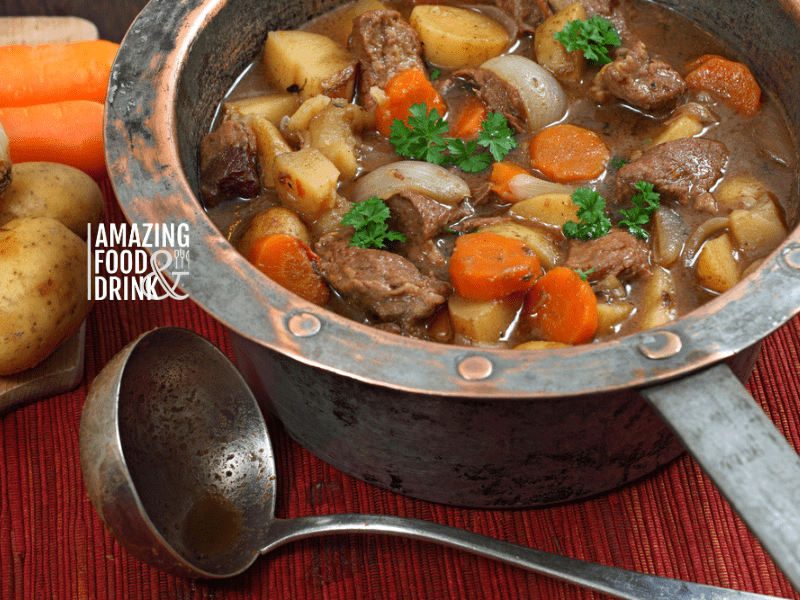
  • Traditional Dishes: Ulster stews, roasted roots with winter herbs, colcannon, cabbage braised with bacon
  • Cooking Notes: Winter vegetables benefit from long, slow cooking. Their robust flavours stand up to strong seasonings and rich accompaniments like butter and cream.

Year-Round Availability

Thanks to modern growing methods and storage capabilities, Gilfresh provides consistent quality carrots, cabbage, broccoli, and cauliflower throughout the year. However, flavour and texture are often superior during their natural peak seasons.

Northern Irish Culinary Traditions with Gilfresh Vegetables

Gilfresh Produce

Understanding the cultural context of these vegetables adds depth to your cooking and connects you with centuries of Ulster food traditions.

The Importance of the Ulster Fry

Whilst the Ulster Fry is known for its meaty components, vegetables play a supporting role that shouldn’t be overlooked. Grilled tomatoes and sautéed mushrooms are traditional, but modern interpretations often include grilled or fried Savoy cabbage and roasted cherry tomatoes.

Boxty: The Potato Connection

Though primarily a potato dish, boxty (a traditional Irish potato pancake) is often served with vegetables; gilfresh cabbage braised with bacon makes an authentic accompaniment, as do turnips mashed with butter.

Traditional Harvest Celebrations

Root vegetables feature prominently in harvest festival dishes. The tradition of slow-cooking root vegetables with meat reflects both the agricultural calendar (root vegetables stored well through winter) and practical cooking methods (one-pot dishes cooked slowly over peat fires).

Modern Ulster Cooking

Contemporary Northern Irish chefs are reviving interest in traditional vegetables by applying modern techniques. Charred cabbage has become fashionable in restaurants, whilst heritage carrot varieties are being rediscovered. Gilfresh Produce supports this culinary renaissance by maintaining quality standards that meet professional kitchen requirements.

Nutritional Benefits of Gilfresh Vegetables

Gilfresh Produce

Understanding the nutritional profile helps you make informed choices about your vegetable intake.

Fibre Content & Digestive Health

All Gilfresh vegetables are excellent sources of dietary fibre, which supports digestive health, helps maintain stable blood sugar levels, and contributes to feelings of fullness.

High-Fibre Options:

  • Parsnips: 4.9g fibre per 100g
  • Turnips: 3.5g fibre per 100g
  • Carrots: 2.8g fibre per 100g
  • Savoy cabbage: 2.5g fibre per 100g

The NHS recommends 30g of fibre daily. A portion of roasted root vegetables (approximately 200g) provides 6-8g of fibre, nearly a third of your daily requirement.

Vitamin & Mineral Content

  • Carrots: Exceptionally high in beta-carotene, which the body converts to vitamin A. One large carrot provides over 200% of your daily vitamin A requirement. Also contains vitamins K, B6, and potassium.
  • Brassicas (Broccoli, Cabbage, Cauliflower): Rich in vitamin C, vitamin K, and folate. Broccoli also contains sulforaphane, a compound with potential anti-inflammatory properties. Red cabbage is particularly high in anthocyanins, powerful antioxidants.
  • Turnips & Swede: Good sources of vitamin C (one serving provides approximately 30% of your daily requirement), calcium, and potassium.
  • Parsnips: High in folate, vitamin C, and potassium. Also contains small amounts of manganese and vitamin E.

Supporting Plant-Based Diets

For those following vegetarian or vegan diets, Gilfresh vegetables provide essential nutrients often lacking in plant-based eating patterns:

  • Iron: Whilst not as bioavailable as meat-based iron, leafy greens like Savoy cabbage contain non-heme iron. Pair with vitamin C-rich foods (like tomatoes or lemon juice) to increase absorption.
  • Calcium: Brassicas, particularly broccoli and cabbage, contribute to calcium intake. A 100g serving of broccoli provides approximately 47mg of calcium.
  • B Vitamins: Root vegetables and brassicas provide various B vitamins, particularly folate (vitamin B9), important for cell division and DNA synthesis.

Low-Calorie Density for Weight Management

Most Gilfresh vegetables have low calorie density, meaning they provide volume and nutrients without excessive calories:

  • Cabbage: 25 calories per 100g
  • Broccoli: 34 calories per 100g
  • Turnips: 28 calories per 100g
  • Carrots: 41 calories per 100g

This makes them suitable for those managing their weight whilst still eating satisfying portions.

Dietary Adaptations with Gilfresh Vegetables

Gilfresh Produce

Gilfresh vegetables work beautifully across various dietary requirements and eating patterns. Whether you’re managing food allergies, following a specific diet plan, or accommodating different nutritional needs, these fresh Northern Irish vegetables provide versatile options that can be adapted to suit your lifestyle.

Allergen Considerations

Celery Allergy: As mentioned earlier, Gilfresh maintains strict separation protocols for celery processing. If you have a celery allergy, you can confidently purchase other Gilfresh vegetables knowing cross-contamination measures are in place.

Low-FODMAP Diets: Several Gilfresh vegetables are suitable for low-FODMAP diets when eaten in appropriate portions:

  • Carrots: Low FODMAP (75g serving)
  • Turnips: Low FODMAP (1 cup diced)
  • Parsnips: Moderate FODMAP (½ cup)

Avoid or limit cabbage, cauliflower, and scallions on strict low-FODMAP diets as they contain oligosaccharides.

Keto & Low-Carb Diets

For those following ketogenic or low-carb eating plans, choosing the right vegetables is important for staying within your daily carbohydrate limits. Gilfresh offers several low-carb options suitable for keto diets, though root vegetables vary significantly in their carbohydrate content.

Best Choices for Keto:

  • Cauliflower: 3g net carbs per 100g (excellent for cauliflower rice or mash)
  • Broccoli: 4g net carbs per 100g
  • Cabbage: 3g net carbs per 100g

Moderate Choices:

  • Turnips: 4.6g net carbs per 100g
  • Carrots: 7g net carbs per 100g (use sparingly)

Higher Carb Options:

  • Parsnips: 13g net carbs per 100g (not suitable for strict keto)
  • Swede: 5g net carbs per 100g (acceptable in small portions)

Vegan & Vegetarian Cooking

All Gilfresh vegetables are naturally suitable for vegan and vegetarian diets. The recipes in this guide can easily be adapted:

Vegan Modifications:

  • Replace butter with plant-based alternatives or olive oil
  • Use plant-based milk (oat or soy works well in champ)
  • Substitute vegetable stock for chicken stock

Gluten-Free Cooking

All fresh Gilfresh vegetables are naturally gluten-free. However, check seasoning packets in meal kits for potential gluten-containing ingredients. The vegetables themselves pose no issues for coeliac disease or gluten sensitivity.

Gilfresh Produce has spent three generations perfecting Northern Irish vegetable farming, combining traditional methods with modern sustainability practices. Their range from whole vegetables to convenient meal kits makes it easy to incorporate quality produce into your daily cooking.

The key to cooking with Gilfresh vegetables is understanding their natural qualities: the sweetness that develops in properly roasted roots, the crisp texture of quickly stir-fried brassicas, and the authentic flavour of fresh scallions in traditional Ulster dishes.

Whether you’re preparing classic champ, experimenting with global recipes, or simply seeking nutritious weeknight meals, these vegetables provide a reliable foundation.

FAQs

1. Where can I buy Gilfresh vegetables?

Available at major supermarkets including Asda, Tesco, and Sainsbury’s across Northern Ireland and Ireland.

2. How do I store root vegetables?

Store in the fridge vegetable drawer or a cool, dark place. Whole carrots last 3-4 weeks when properly stored.

3. Can I freeze Gilfresh vegetables?

Yes. Blanch root vegetables for 2-3 minutes before freezing. Scallions can be chopped and frozen directly without blanching.

4. What’s the quickest way to cook Gilfresh meal kits?

Simply add your protein to the pre-cut vegetables and the included spice blend. Cooking time is 15-20 minutes.

5. Are Gilfresh vegetables organic?

Not certified organic, but they hold Red Tractor certification and use sustainable farming practices with zero-waste energy production.

Share with our social media

Leave a Reply

Your email address will not be published. Required fields are marked *