No celebration is complete without food. It has the power to bring joy to even the most sombre days, making it one of life’s greatest pleasures. When it comes to parties, delicious food is a must-have. But why bother with forks and spoons? Leave them in the kitchen where they belong. Instead, opt for finger food that is easy to grab and enjoy while socialising and having a great time.
As a fun party host, we encourage you to try some of our mouthwatering finger sandwich ideas. Not only will your guests be captivated, but it will also save you precious time and energy. Remember, you’re hosting this party to bring happiness; unnecessary stress will only dampen the mood.
So, it’s time to embark on a culinary journey where mouthwatering meets wholesome. Let your creativity shine as you seamlessly blend vibrant ingredients, creating a symphony of flavours that will leave everyone craving more. Prepare to dazzle your guests and win their hearts with scrumptious tea sandwich ideas featuring irresistible treats embodying the celebration spirit.
1. Tomato Tea Sandwiches
httpss://www.youtube.com/shorts/nMDG1dDCJgc
Are you searching for the ultimate tea sandwich recipe to impress your guests at your upcoming event or casual gathering? Look no further! We have the perfect recipe that will truly leave your guests craving more. Our delightful creation puts tomatoes in the spotlight, creating tiny bites that will amaze you with their incredible flavours, far surpassing those of your typical sandwiches.
But that’s not all, and we take it a step further by adding gouda cheese and cilantro to the cocktail tomatoes, making these bite-sized sandwiches even more irresistible and adorable. Whether you’re planning a sophisticated teatime or a lively party, these appetisers are the perfect addition to any occasion.
The best part? They are effortless to make! With just some simple steps, you can whip up these delectable treats in under 30 minutes, giving you plenty of time to focus on other party preparations.
2. Roast Beef Tea Sandwich
Step into a world of delectable culinary delights with these mouthwatering high tea finger sandwiches. Don’t be deceived by their simplicity; their flavours burst like fireworks on your palate. It’s a delectable blend of tender roast beef topped with a tangy mustard sauce that will awaken your taste buds with just the right amount of kick.
Whether you’re craving a substantial brunch dish or a dainty yet satisfying option, this recipe is the answer. Rest assured, the ease with which these sandwiches come together is matched only by the immense satisfaction you’ll experience from their incredible taste. Prepare to be captivated from the very first bite!
3. Garden Veggie Stack Finger Sandwich
Looking to start your party off on the right foot with an appetiser that will leave everyone satisfied? Look no further than these mouthwatering vegetarian finger sandwich stacks. They are guaranteed to be a hit, packed with succulent eggplant, delectable squash, and juicy tomatoes. But here’s the secret to making them truly unforgettable – the choice of bread.
Opt for a durable and flavourful potato bread that complements these scrumptious fillings perfectly. But wait, there’s more! Elevate the taste experience even further with a luscious red pepper aioli and a generous dollop of fresh guacamole, taking these finger sandwiches to a whole new level of flavour exploration.
Don’t miss out on this irresistible recipe to engage your senses and impress your guests. So why wait any longer? It’s time to get cooking and make your party a memorable one!
4. Peanut Butter and Jelly Finger Sandwiches
If you want to elevate the classic peanut butter and jelly sandwich to delightful elegance, here’s a creative twist for your next tea-time gathering. While we all know how to make a standard PB&J, our refined version requires a slight departure from the norm. To begin, you’ll need a set of circular cookie cutters – the secret weapon to turn these sandwiches into dainty delights.
Following this, it’s all about the art of layering. Picture this: a slice of bread generously smeared with creamy or crunchy peanut butter, topped with another piece of bread. But we’re not done yet! Add a layer of sweet and fruity jelly, whether it be the classic grape or the more sophisticated strawberry. Finish it off by adding another slice of bread.
The possibilities are endless, as you can customise your creations to suit your taste preferences. So let your imagination run wild, serving up these elegant, easy-to-eat PB&Js that will surely impress your tea-time guests.
5. Ham, Tomato, Cheddar Chutney Sandwiches
Are you an adventurous culinary enthusiast in pursuit of the perfect fusion of flavours that will tantalise your taste buds? Look no further, as this exceptional recipe is designed exclusively for you! Get ready to embark on a truly delightful journey where the rich, smoky essence of ham gracefully intertwines with the heavenly sweetness of mango chutney, all flawlessly enhanced by the luxuriously creamy decadence of cheddar cheese.
Indulge in an extraordinary blend that guarantees to take your high tea party to new, unrivalled heights! Prepare to embark on an unforgettable epicurean journey with our delectable ham finger sandwiches, meticulously crafted to leave an everlasting impression. Join us and elevate your tea party to a whole new level of sophistication and indulgence that will linger in your memories.
6. BLT Tea Sandwiches
Similar to the delectable ham and cheese sandwiches mentioned earlier, these BLTs embody the essence of time-honoured, timeless classics. A symphony of flavours awaits as you sink your teeth into crispy bacon, invigorating lettuce, succulent tomatoes, and a lavish dollop of velvety mayo. Yet, there’s more that elevates these mouthwatering creations to sheer magnificence – the circular cut.
This seemingly simple twist adds a touch of grace and sophistication, transforming these sandwiches into an exquisite indulgence that harmoniously complements a steaming cup of tea. Brace yourself to relish every single bite as you surrender to the enchanting combination of enchanting flavours and tantalising textures.
7. Sandwich Sushi Rolls
Welcome to the fascinating realm of faux-sushi rolls! Although they may not resemble authentic delicacy, these delightful creations never fail to capture attention and bring joy. Prepare to unleash your culinary creativity as you explore the world of homemade tuna, ham and cheese, or chicken avocado sushi rolls.
The incredible part? You can transform virtually any sandwich into these whimsical masterpieces. It all revolves around the art of rolling bread and achieving impeccable harmony among every ingredient. Brace yourself for a truly unique and sushi-inspired journey!
8. Cheesy Shrimp Canape
Attention all seafood enthusiasts! Are you in search of a delectable twist on your teatime routine? Look no further than these mouthwatering cheesy shrimp tea sandwiches. Prepare to be amazed as you whip up a sensational spread featuring a blend of mayo, garlic, parsley, dill, and an irresistible Mexican shredded cheese.
The combination alone is a flavour explosion on a crusty baguette. However, brace yourself for the ultimate taste sensation by adding a succulent cooked shrimp to each sandwich. Prepare to be transported from simply tasty to utterly sensational – and who can resist that irresistible upgrade?
9. Gluten-Free Finger Sandwich
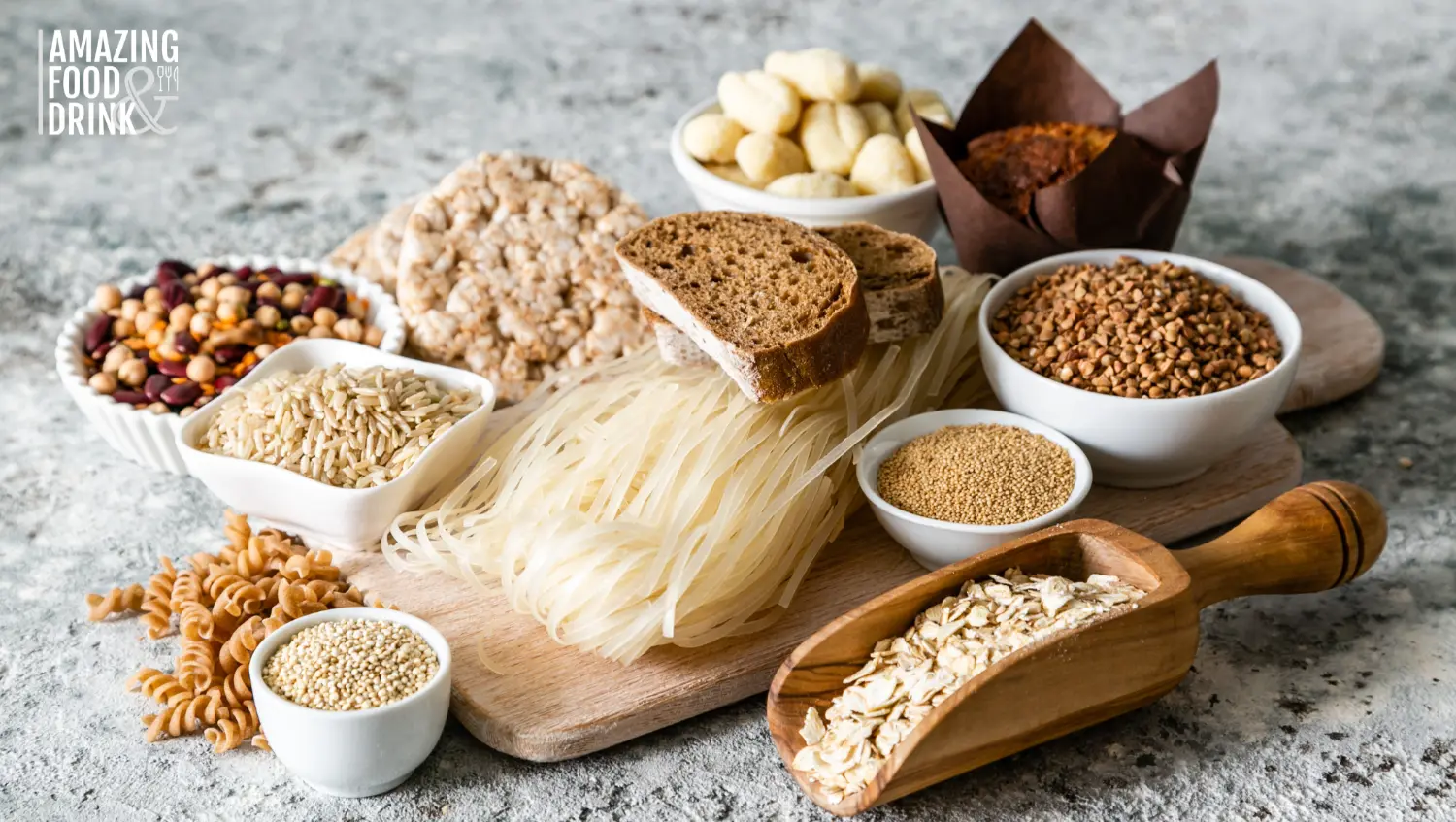
If you’re seeking a delectably nourishing addition to your platter of finger sandwiches, look no further than this enticing recipe. It’s no secret that gluten-free bread is a true lifesaver when it comes to meeting your guests’ dietary needs.
No need to worry; you’ll be captivated by these tantalising sandwiches, no matter what kind of bread you go for. This delectable finger sandwich is packed with a delicious blend of rich cheese and refreshing cucumber, and each stacked masterpiece is guaranteed to leave an electrifying impression. Brace yourself for an extraordinary victory with this impeccable culinary creation.
10. Paprika Chickpea Finger Sandwiches
Whether enjoyed as dainty finger sandwiches or a substantial and satisfying lunch choice, there is no denying one thing – their irresistible deliciousness. Get ready to be enthralled by the compelling mixture of delicate zing from lemon juice and the refreshing crispness of alfalfa sprouts; you will undoubtedly find yourself wondering why you hadn’t discovered this extraordinary recipe earlier.
What’s more, these delectable creations are not only a feast for your taste buds but also incredibly light and nutritious. Indulge guilt-free, as they are the ideal vegan addition to any finger sandwich platter.
11. Curried Chicken Salad Tea Sandwiches
When it comes to glow-ups, this curried chicken salad is the ultimate game-changer for your taste buds. Prepare to be blown away as we elevate the classic chicken salad to an entirely new level of deliciousness. Picture an irresistible blend of tender chicken, creamy mayo, and a medley of exciting ingredients like dried cranberries, toasted walnuts, scallions, curry powder, and the irresistible addition of half a fuji apple.
As you assemble this masterpiece between two slices of wholesome wheat bread, get ready to experience a symphony of sweet and savoury flavours, creating a truly exceptional sandwich. Brace yourself because once you taste it, this delectable delight will never be confined solely to tea time but will become your go-to meal for any time of the day.
Prepare to savour each bite as your taste buds embark on a remarkable culinary journey that will leave you craving more. This chicken salad demands attention and deserves a spot on every menu.
12. Smoked Chicken Avocado Tea Sandwich
High tea is a delightful event that calls for a splendid array of savoury sandwiches and delectable pies, elevating the gathering to new levels of joy and satisfaction. And now, allow yourself to indulge in the perfect high tea sandwich recipe that promises to satiate your cravings while delighting your taste buds.
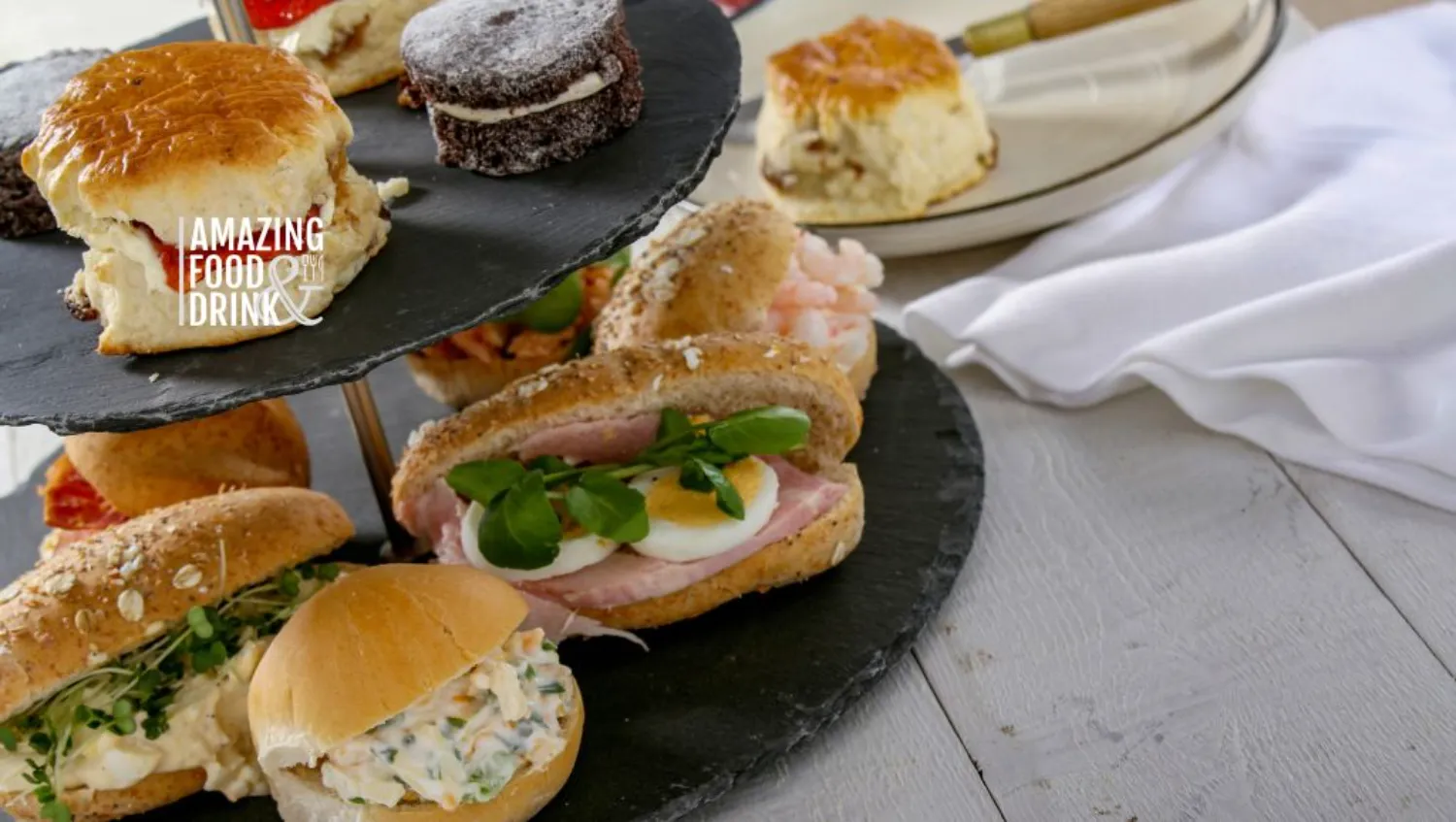
These sandwiches harbour a surprising flavour combination that will surely please, featuring succulent smoked chicken and the velvety embrace of fresh avocado. The recipe takes it a step further by adorning the creation with delicate watercress to add a touch of excitement.
Experience the enchantment of a culinary journey with this sensational finger sandwich idea. They’re a guilt-free pleasure where you can relish the pure flavours that will captivate your taste buds. Prepare to be amazed as nourishing ingredients work their magic, surprising both you and your guests. Now is the moment to celebrate with minimal effort, savouring every delightful bite.





 Shaimaa Olwan