Hot Cross Buns Recipe

Perfect Hot Cross Buns Recipe You’ll Absolutely Love

Author Avatar

Updated on October 5, 2025

Reviewed by Salma Ihab

If there’s one treat that signals the arrival of Easter and embodies the spirit of traditional British baking, it’s the humble hot cross bun. These soft, spiced fruit buns with their distinctive flour cross aren’t just seasonal favourites, they’re a centuries-old tradition that brings families together around the kitchen table.

But here’s the thing: not all hot cross buns are created equal. Shop-bought versions often lack the depth of flavour and tender crumb that makes homemade hot cross buns truly special. While supermarket hot cross buns are convenient, they typically contain preservatives and artificial flavours, and lack the aromatic spices that make traditional hot cross buns so memorable.

This easy hot cross buns recipe delivers everything you want from these traditional treats: pillowy soft texture, aromatic spices, juicy fruit, and that all-important cross on top. Whether you’re planning ahead for Easter Sunday breakfast, preparing for a Good Friday tradition, or simply craving these delicious buns year-round, this foolproof method ensures bakery-quality results every time.

Let’s learn how to make perfect hot cross buns at home. There are no complicated techniques, just proper ingredients and a bit of patience, for the most rewarding Easter baking project you’ll tackle this year.

What Are Hot Cross Buns?

Hot Cross Buns Recipe

Hot cross buns are far more than just fruit buns with a cross. They’re a deeply rooted British tradition dating back centuries, originally eaten on Good Friday to mark the end of Lent. The cross symbolises the crucifixion, while the spices represent those used to embalm Christ.

The Anatomy of Perfect Hot Cross Buns

  • The Dough Foundation: A rich, yeasted dough made with milk, butter, and eggs creates that distinctive soft, pillowy texture that separates hot cross buns from ordinary bread rolls.
  • The Spice Blend: Traditional hot cross buns get their warming flavour from a careful balance of cinnamon, mixed spice, and sometimes nutmeg. These aren’t overpowering; they should complement, not dominate.
  • The Fruit Element: A mixture of sultanas, mixed peel, and often fresh apple adds sweetness and texture throughout each bite.
  • The Cross: Made from a simple flour and water paste, the cross isn’t just decorative; it creates slight indentations that hold the glossy apricot glaze.
  • The Glaze: A warm apricot jam glaze brushed over the hot buns gives them that beautiful shine and adds a subtle fruity sweetness.

Modern variations might include chocolate chips, cranberries, or even savoury versions. Still, the classic combination of fruit, spice, and that distinctive cross remains the gold standard for Easter hot cross buns.

The History and Cultural Significance

Hot cross buns have a fascinating history that dates back over 1,000 years. Anglo-Saxons originally ate spiced sweet buns to honour the goddess Eostre, from whom Easter gets its name. Early Christians adopted and adapted the tradition, adding the cross to symbolise the crucifixion of Christ.

By the 14th century, hot cross buns had become firmly established as a Good Friday tradition in England. There’s even a famous nursery rhyme dating from the 1790s: “Hot cross buns! Hot cross buns! One a penny, two a penny, Hot cross buns!” This reflects how they were sold by street vendors, particularly in London.

During Elizabeth I’s reign, legislation was passed restricting the sale of spiced buns to specific occasions, such as Christmas, Easter, and burials, making hot cross buns even more special. The tradition spread throughout the British Empire, so hot cross buns are now enjoyed in Australia, New Zealand, and other Commonwealth countries.

Regional Variations Across Britain:

  • London: Traditional recipe with mixed peel and sultanas
  • Northern England: Often includes chopped apple and sometimes currants
  • Scotland: May include whisky-soaked fruit
  • Wales: Sometimes features bara brith-style fruit mix
  • Cornwall: Occasionally includes local clotted cream in the dough

Understanding this rich history adds depth to your baking experience and connects you to generations of British bakers who have perfected this beloved recipe.

Ingredients for Hot Cross Buns

Authentic homemade hot cross buns require quality ingredients that work together to build flavour and texture. Each component plays a specific role in achieving the perfect balance of richness, spice, and fruit that makes these buns so special.

The Dough Base

The foundation of any good hot cross bun lies in its enriched dough. Strong bread flour provides the protein structure needed for a soft yet substantial crumb, while full-fat milk adds richness and helps create that tender texture. The butter contributes flavour and keeps the buns moist for days, and the egg not only enriches the dough but also helps with browning and structure.

Fast-action yeast is your best friend here; it works quickly and reliably, preparing your dough without traditional yeast’s lengthy proving times. The small amount of sunflower oil might seem unusual, but it helps keep the crumb soft and extends the buns’ shelf life.

The Flavour Builders

This is where your hot cross buns transform from simple bread rolls into something truly special. Ground cinnamon provides warmth without overwhelming heat, while fresh orange zest adds brightness that cuts through the richness. The caster sugar isn’t just for sweetness; it feeds the yeast and helps achieve that golden crust.

The fruit mixture of sultanas and mixed peel brings concentrated sweetness, while the finely chopped apple adds moisture and a subtle tartness that balances the spices beautifully. Some recipes skip the apple, but it’s worth including for the extra dimension it brings.

The Finishing Touches

The cross paste requires just plain flour and water. It’s simple but effective. The consistency should be thick enough to hold its shape when piped but fluid enough to flow smoothly. Too thick, and it won’t spread properly; too thin, and it’ll disappear during baking.

The apricot jam used for the glaze should be of good quality and preferably smooth. Brief heating and sieving remove lumps and create a glossy finish that makes your buns look professionally made.

Each ingredient serves a purpose in creating the perfect balance of flavours and textures. Using quality ingredients, particularly milk, butter, and spices, will make a noticeable difference in your final result.

How to Make Hot Cross Buns Step-by-Step

Making hot cross buns is surprisingly straightforward once you understand the rhythm. It’s all about timing the rises confidently and adequately handling the dough. Don’t be intimidated by the yeast; it’s more forgiving than you might think.

Start with the Enriched Dough

Begin by gently heating your milk until it’s warm to the touch, about hand temperature. Remove from the heat and stir in the butter, letting it melt completely. This creates your liquid base with the perfect temperature for activating the yeast.

Combine the strong bread flour, salt, sugar, and yeast in a large mixing bowl. Don’t come into direct contact with the salt initially, as salt can inhibit yeast activity. Create a well in the centre and pour in the warm milk mixture along with the beaten egg.

Using a wooden spoon, combine everything until you have a shaggy, sticky dough. Don’t worry about it looking messy at this stage; that’s completely normal. Now comes the therapeutic part: turn the dough out onto a lightly floured surface and knead for about 5 minutes until it becomes smooth and elastic.

The First Rise

Place your kneaded dough in a lightly oiled bowl, cover with oiled cling film, and leave in a warm spot for about an hour. The dough should double in size and spring back slowly when gently pressed with a finger. This rise develops flavour and creates the structure for your buns.

Adding the Fruit and Spices

Once your dough has doubled, it’s time to incorporate the fruit and spices. Add the sultanas, mixed peel, orange zest, chopped apple, and cinnamon directly to the dough in the bowl. Knead everything together until the fruit is evenly distributed throughout. This might take a few minutes, and some fruit may try to escape, but persevere.

Cover again and allow for a second rise of about an hour. This second proof ensures your fruit doesn’t weigh down the dough and helps develop even more flavour.

Shaping and Final Proving

Divide your dough into 15 equal portions, weighing them to ensure uniform buns. Roll each piece into a smooth ball by cupping your hand and rolling against the work surface. Arrange on lined baking trays with enough space for expansion.

Cover loosely with oiled cling film or a clean tea towel and prove for another hour. The buns should look puffy and feel light when gently pressed. This final proof is crucial for achieving that soft, pillowy texture.

The Cross and Baking

Preheat your oven to 220°C (200°C fan). Mix the plain flour with water, adding it gradually until you achieve a thick but pipeable consistency. Using a piping or strong sandwich bag with a corner cut off, pipe straight lines across each row of buns, then repeat in the opposite direction to create crosses.

Bake for 20 minutes on the middle shelf until golden brown. The buns should sound hollow when tapped on the bottom; that’s your cue; they’re perfectly done.

The Final Glaze

While the buns are still warm, gently heat the apricot jam and push it through a sieve to remove any lumps. Brush this warm glaze over each bun, paying particular attention to the cross. The glaze adds shine and helps preserve the buns’ softness.

Tips for Perfect Hot Cross Buns

Getting hot cross buns just right comes down to understanding key principles. These aren’t difficult buns but require attention to detail and patience. Here are the insights to take your homemade hot cross buns from good to exceptional.

Temperature is Everything

Your liquid temperature when making the dough is crucial. Too hot and you’ll kill the yeast; too cold and it won’t activate properly. The milk should feel warm on your wrist, like testing a baby’s bottle. If unsure, use a thermometer: around 37°C is perfect.

Warmth helps during proving, but don’t overdo it. A slightly warm kitchen is ideal, but avoid direct heat sources like radiators or the top of the oven. An airing cupboard or the warming drawer of an oven set to its lowest temperature works brilliantly.

Don’t Rush the Rises

Each proof serves a purpose. The first develops flavour and structure, the second allows the fruit to integrate properly, and the final proof ensures light, airy buns. Rushing any of these stages will result in dense, heavy buns that lack the characteristic soft crumb.

If your kitchen is particularly cold, the risotto might take longer; that’s perfectly fine. The dough will tell you when it’s ready by doubling in size and feeling light and airy.

Handle the Dough Confidently

Sticky dough can be intimidating, but resist adding too much flour. The initial stickiness is normal and will improve with kneading. A dough scraper is invaluable for handling sticky dough without making a mess.

When shaping, work quickly but gently. The dough should feel smooth and pliable, not tight or resistant. If it springs back too much during shaping, let it rest for 10 minutes to relax the gluten.

Get the Cross Right

The flour paste for the cross needs to be substantial enough to hold its shape but not so thick that it won’t flow. Start with less water than you need; you can always add more. The consistency should be similar to thick double cream.

Pipe confidently in straight lines. Hesitant, wobbly lines won’t look professional if you’re nervous about piping, so practice on a clean surface first.

Quality Ingredients Make a Difference

Use good butter and full-fat milk for the richest flavour. Fresh spices will give brighter, more aromatic results than old ones. If your cinnamon has been in the cupboard for years, it’s worth investing in a fresh pot.

Choose plump, moist sultanas over dry, shrivelled ones. The fruit should add bursts of sweetness, not chewy disappointment.

Storage and Reheating

Fresh hot cross buns are best enjoyed within 24 hours, but they’ll stay soft for up to three days in an airtight container. To refresh day-old buns, wrap them in slightly damp kitchen paper and microwave for 10-15 seconds.

For longer storage, freeze the buns as soon as they’re cool. They’ll keep for up to three months and can be defrosted at room temperature or gently warmed in a low oven.

Troubleshooting Common Hot Cross Bun Problems

Even experienced bakers sometimes encounter issues when making hot cross buns. Understanding what went wrong and how to prevent it next time will help you achieve consistent results. Here are the most common problems and their solutions.

Dense, Heavy Buns

Problem: Buns that are heavy and don’t have the characteristic light, fluffy texture.

Causes and Solutions:

  • Inactive yeast: Check expiry dates and proof yeast in warm liquid before adding to flour
  • Over-kneading: Knead just until smooth and elastic, not beyond
  • Insufficient rising: Allow full doubling of size during each phase
  • Cold environment: Provide in a warm (not hot) place, around 24-26°C

Buns That Don’t Rise

Problem: Dough remains flat and doesn’t increase in size during proving.

Causes and Solutions:

  • Dead yeast: Test yeast activity by mixing with warm water and sugar
  • Liquid too hot: Milk should be warm to the touch, not hot (around 37°C)
  • Too much salt: Keep salt and yeast separate initially, and measure accurately
  • Old flour: Use fresh, strong bread flour for best results

Cross Disappearing During Baking

Problem: The piped cross spreads or vanishes completely.

Causes and Solutions:

  • Paste is too thin: Mix flour and water to a thick double cream consistency
  • Oven too hot: Ensure correct temperature, use oven thermometer if unsure
  • Overproof buns: Don’t let buns over-rise before baking
  • Incorrect piping: Pipe confidently, straight lines with steady pressure

Dry, Crumbly Texture

Problem: Buns that fall apart and lack moisture.

Causes and Solutions:

  • Insufficient liquid: Measure milk accurately, and the dough should be slightly sticky
  • Over-baking: Check doneness at 18 minutes; they should sound hollow when tapped
  • Low-fat milk: Use full-fat milk for richness and moisture
  • Skipping glaze: Apricot glaze adds moisture and prevents staleness

Uneven Browning

Problem: Some buns are darker than others or have pale spots.

Causes and Solutions:

  • Uneven oven heat: Rotate trays halfway through baking
  • Overcrowded trays: Leave adequate space between buns for air circulation
  • Rack position: Bake on the middle shelf for even heat distribution
  • Inconsistent shaping: Ensure all buns are similar size and shape

Fruit Sinking to Bottom

Problem: Dried fruit settles at the bottom of the buns.

Causes and Solutions:

  • Wet fruit: Pat dried fruit dry before adding to the dough
  • Over-soft dough: Ensure the dough is firm enough to support fruit
  • Adding fruit too early: Wait until after the first rise to incorporate fruit
  • Large fruit pieces: Chop larger fruits like dates or apricots into smaller pieces

Remember, baking is both science and art. Keep notes about what works in your kitchen, as factors like humidity, altitude, and even your oven’s quirks can affect results. Don’t be discouraged if your first batch isn’t perfect. Each attempt teaches you something valuable about the process.

Serving & Storage Suggestions

Hot Cross Buns Recipe

The beauty of hot cross buns lies not just in their making but also in how they’re enjoyed. These versatile buns work beautifully as a simple snack, an indulgent breakfast, or even as the foundation for creative desserts. Understanding how to serve and store them properly ensures that every bite is as delicious as intended.

Serving Hot Cross Buns at Their Best

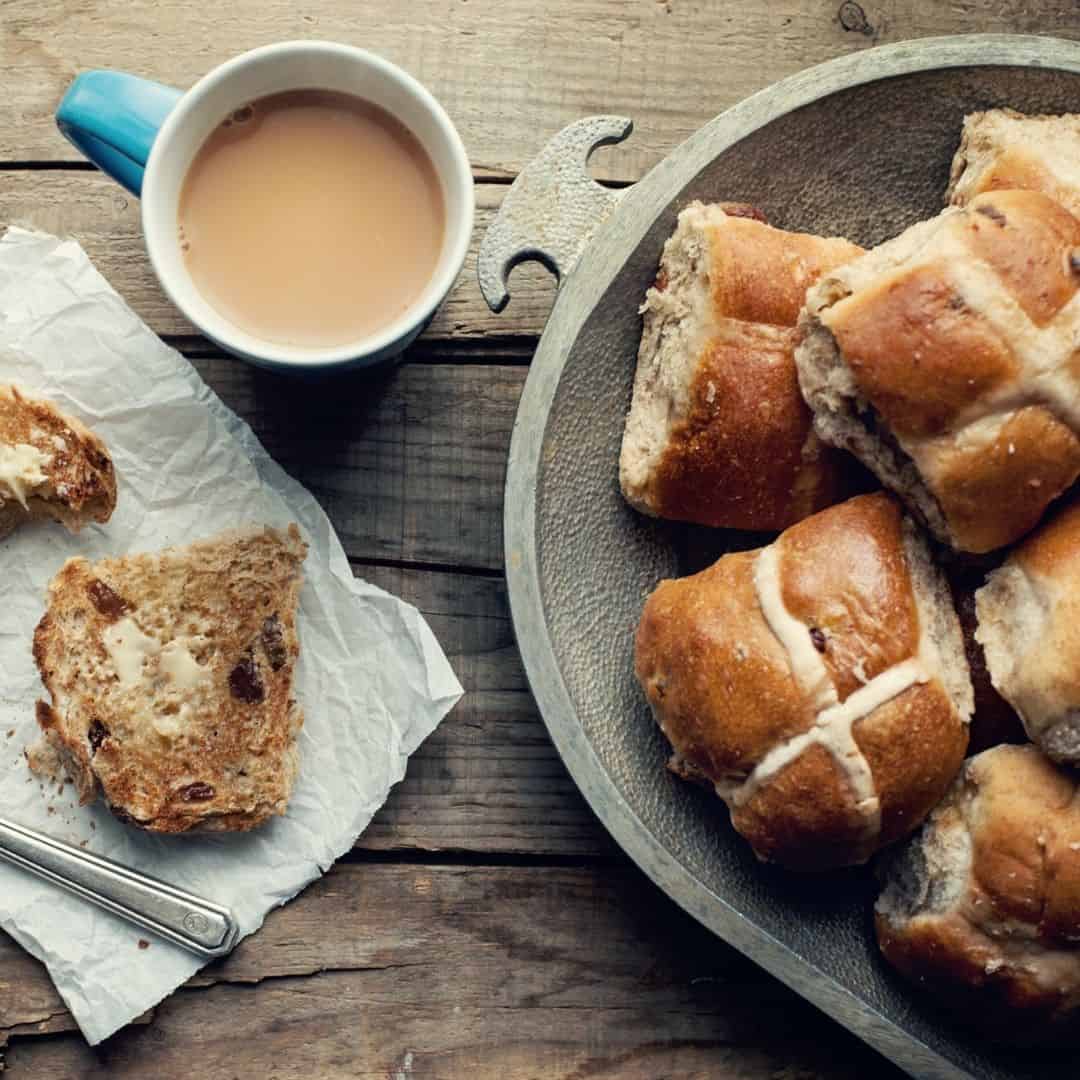
Traditional hot cross buns are at their finest when served slightly warm, either fresh from the oven or gently reheated. The warmth enhances the spices and makes the fruit more fragrant. Simply split them in half and serve with good butter that melts into the soft crumb.

For a more indulgent treat, toast halved buns lightly and serve with butter and your favourite jam or marmalade. The slight crust from toasting provides a lovely textural contrast to the soft interior, while the jam adds another layer of fruity sweetness.

Traditional and Modern Serving Ideas

In Britain, hot cross buns are traditionally enjoyed with a proper cup of tea; the tannins in the tea complement the spices beautifully. For something more substantial, serve them as part of an Easter brunch alongside other seasonal treats.

Modern serving ideas include using them as the bread and butter pudding base, transforming them into French toast, or even creating a trifle with layers of torn buns, custard, and fruit. The spiced fruit flavours work particularly well with cream-based desserts.

Storing for Maximum Freshness

Hot cross buns are best stored in an airtight container at room temperature for up to three days. The apricot glaze helps keep them moist, but they’re naturally quite robust due to the enriched dough.

Avoid refrigerating fresh buns, as this can make them stale more quickly. If you need to store them longer, freezing is your best option. Wrap individual buns in cling film before freezing; they’ll maintain their quality for up to three months.

Refreshing Day-Old Buns

If your buns have firmed up slightly, don’t despair. Wrap them in slightly damp kitchen paper and microwave for 10-15 seconds to restore their softness. Alternatively, wrap them in foil and warm in a low oven for 5-10 minutes.

For a crispy exterior, lightly toast the cut sides under the grill. This creates a delicious contrast between the crispy surface and soft interior, and it’s particularly good with butter and jam.

Homemade vs Store-Bought: Why Making Your Own Matters

Hot Cross Buns Recipe

Making hot cross buns from scratch is worth the effort. Here’s why homemade consistently beats shop-bought versions:

Flavour: Fresh spices, real butter, and quality ingredients develop complex flavours during proving. Store-bought versions rely on artificial flavours and preservatives for shelf-life, not taste.

Texture: Homemade buns have a tender, pillowy crumb that stays soft for days. You control the fruit ratio and spice levels. Commercial versions often have dense or artificially fluffy textures with sparse fruit.

Ingredients: You know exactly what goes in, no hidden preservatives, excess sugar, or artificial additives. Perfect for dietary restrictions.

Cost: Homemade costs approximately £0.35 per bun (£5.25 for 15), while premium bakery versions cost £0.50-£1.00 each.

When to make vs. buy: Make when you want superior flavour, enjoy baking, or have dietary needs. Buy when you are short on time or feeding large crowds.

The Perfect Timing: When to Make Hot Cross Buns

Hot Cross Buns Recipe

Traditional timing: Historically eaten during Lent (February-April), with Good Friday being most traditional. This seasonal approach made them special and anticipated.

Optimal baking schedule:

  • For Easter Sunday: Bake on Good Friday for traditional timing
  • For maximum freshness: Bake 1-2 days before serving
  • For meal planning: Make dough through first rise up to 24 hours ahead

Year-round enjoyment: While traditionally seasonal, these spiced buns work beautifully as weekend breakfast treats, autumn comfort food, or winter warmers. The warming spices are particularly appreciated during cooler months.

Hot Cross Buns Recipe

Hot Cross Buns Recipe

Prep Time: 30 minutes

Rising Time: 3 hours

Cook Time: 20 minutes

Total Time: 3 hours 50 minutes

Serves: 15 buns

Ingredients

For the Buns:

  • 300ml full-fat milk, plus 2 tbsp extra
  • 50g butter
  • 500g strong bread flour
  • 1 tsp salt
  • 75g caster sugar
  • 1 tbsp sunflower oil
  • 7g sachet fast-action yeast
  • 1 egg, beaten
  • 75g sultanas
  • 50g mixed peel
  • Zest of 1 orange
  • 1 apple, peeled, cored and finely chopped
  • 1 tsp ground cinnamon

For the Cross:

  • 75g plain flour
  • 5 tbsp water (approximately)

For the Glaze:

  • 3 tbsp apricot jam

Instructions

  1. Make the Dough: Heat the milk until warm, remove from the heat, and stir in the butter until melted. In a large bowl, combine flour, salt, sugar, and yeast. Make a well in the centre, add the warm milk mixture and beaten egg, and mix to form a sticky dough.
  2. First Rise: Turn onto a floured surface and knead for 5 minutes until smooth and elastic. Place in an oiled bowl, cover with oiled cling film, and leave to rise in a warm place for 1 hour until doubled in size.
  3. Add Fruit and Spices: Add sultanas, mixed peel, orange zest, chopped apple, and cinnamon to the dough. Knead until evenly distributed. Cover and rise for another hour.
  4. Shape and Prove: Divide the dough into 15 equal pieces (about 75g each). Roll the dough into smooth balls and arrange them on lined baking trays with space for expansion. Cover loosely and proof for 1 hour until puffy.
  5. Prepare Cross and Bake: Preheat the oven to 220°C/200°C fan/gas 7. Mix the flour with water to make a thick paste. The pipe crosses over the buns. Bake for 20 minutes until golden brown.
  6. Glaze: Heat apricot jam and sieve to remove lumps. Brush over warm buns while the glaze is still warm.

Notes

  • Use full-fat milk for the richest flavour and texture.
  • Don’t rush the rising times; they’re crucial for light, airy buns.
  • The dough should feel soft and slightly sticky; avoid adding too much flour.
  • Store in an airtight container for up to 3 days or freeze for up to 3 months.

Making homemade hot cross buns connects you to centuries of British baking tradition while delivering flavours that simply can’t be matched by shop-bought versions. With their perfectly spiced, pillowy-soft texture, bursts of sweet fruit, and that distinctive cross, these traditional Easter treats reward your patience with every bite.

Whether continuing a family tradition or starting a new one, this foolproof recipe transforms simple ingredients into something truly special. The time invested in proper proving and quality ingredients shines through in the final result, creating delicious buns and lasting memories around your kitchen table. So roll up your sleeves, embrace the therapeutic rhythm of kneading and proving, and discover why generations of bakers have cherished the simple joy of fresh, homemade hot cross buns.

FAQs

1. Can I make hot cross buns ahead of time?

Absolutely! You can prepare the dough through the first rise, then cover and refrigerate overnight. The next day, bring to room temperature, add the fruit and spices, and continue with the recipe. You can also freeze the shaped, unbaked buns after the final proof, just defrost and bake when ready.

2. Why didn’t my hot cross buns rise properly?

The most common causes are old or inactive yeast, too hot liquid (killing the yeast), or a too-cold environment for proving. Always check your yeast’s expiry date and ensure your milk is warm, not hot. Try proving in a slightly warm oven or airing cupboard if your kitchen is cold.

3. How do I know when my hot cross buns are properly baked?

Well-baked hot cross buns should be golden brown on top and sound hollow when tapped on the bottom. If you have a thermometer, the internal temperature should reach around 90°C. Don’t worry if they look very golden, the egg and milk in the dough create a rich, deep colour.

4. Can I make hot cross buns without eggs?

Yes, though the texture will be slightly different. Replace the egg with an extra 2-3 tablespoons of milk or use a commercial egg replacer. The buns will be less rich but still delicious. You might also try using aquafaba (liquid from canned chickpeas) as an egg substitute.

5. What’s the best way to reheat hot cross buns?

For best results, wrap day-old buns in slightly damp kitchen paper and microwave for 10-15 seconds. Alternatively, wrap in foil and warm in a low oven for 5-10 minutes. If you prefer a slightly crispy exterior, lightly toast the cut sides under the grill.

6. Can I freeze hot cross buns?

Yes, hot cross buns freeze beautifully for up to three months. Wrap individual buns in cling film, then place in a freezer bag. Defrost at room temperature or warm gently in a low oven. You can also freeze the shaped, unbaked buns after the final proof and bake directly from frozen (adding a few extra minutes to the cooking time).

Share with our social media

Leave a Reply

Your email address will not be published. Required fields are marked *