
Red Miso Ginger Dressing Recipe

Amazing Red Miso Ginger Dressing Recipe You’ll Love

Author Avatar

Updated on October 2, 2025

Reviewed by Salma Ihab

This authentic red miso ginger dressing recipe brings together the deep, umami-rich flavours of traditional Japanese cuisine in just 10 minutes. Whether you’re looking to elevate your salads or add a sophisticated touch to grilled vegetables, this homemade miso ginger sauce delivers restaurant-quality results with simple ingredients you can find in any well-stocked UK supermarket.

The combination of red miso’s robust earthiness with fresh Ginger’s warming spice creates a Japanese miso dressing that’s both complex and versatile. This red miso salad dressing has become a staple in kitchens across Britain, transforming ordinary meals into extraordinary culinary experiences.

What is Red Miso?

Red Miso Ginger Dressing Recipe

Red miso, known as “aka miso” in Japanese, is a fermented soybean paste that’s aged longer than its lighter counterparts, typically for one to three years. This extended fermentation process gives red miso its characteristic deep reddish-brown colour and intense, salty-sweet flavour profile.

Unlike white miso (shiro miso), which offers a mild, sweet taste, red miso delivers a robust umami punch that forms the backbone of this authentic miso dressing. The fermentation process involves koji (a type of fungus), soybeans, and often rice or barley, creating beneficial probiotics and complex flavours that have sustained Japanese cuisine for centuries.

In the UK, you’ll find red miso in the Asian section of larger supermarkets like Tesco, Sainsbury’s, or Waitrose, as well as in speciality Asian grocers. Popular brands include Clearspring and Hikari, both readily available across Britain.

Understanding Your Ingredients

Red Miso Ginger Dressing Recipe

Each component in this red miso ginger dressing recipe serves a specific purpose, working together to create the perfect balance of flavours and textures that define authentic Japanese cuisine.

Red Miso Paste forms the umami foundation of your dressing. This fermented soybean paste provides the deep, complex saltiness that gives the sauce its distinctive character. The longer fermentation process creates amino acids that deliver that sought-after savoury depth you simply can’t replicate with salt alone.

Rice Vinegar brings essential acidity that brightens the rich miso whilst helping to emulsify the dressing. Its mild, clean taste won’t overpower the other ingredients, unlike stronger vinegars that might throw off the delicate balance.

Mirin contributes crucial sweetness and depth, adding a subtle wine-like complexity that rounds out the sharp edges of miso and vinegar. This sweet rice wine also helps achieve the glossy finish that makes your homemade miso ginger sauce look professionally made.

Sesame Oil provides aromatic nuttiness and helps bind the dressing together. Just a small amount delivers significant flavour impact, giving your Japanese miso dressing its characteristic Asian profile.

Fresh Ginger adds warming spice and aromatic intensity that elevates the entire dressing. The fresh root provides volatile oils that create the tingling sensation and bright flavour that dried Ginger simply cannot match.

Garlic deepens the savoury notes while adding pungent complexity. It beautifully complements both miso and Ginger and provides the aromatic backbone that makes this dressing irresistible.

Caster Sugar balances the saltiness of miso and helps mellow any harsh edges from the vinegar. It also aids in creating a smooth, glossy texture that clings beautifully to salad leaves.

Ingredient Substitutions and Sourcing

While authenticity matters, creating an excellent miso dressing doesn’t require specialist ingredients that are difficult to find in the UK.

  • Rice vinegar: White wine vinegar or apple cider vinegar works well
  • Mirin: Dry sherry mixed with a pinch of sugar
  • Fresh Ginger: Ground ginger (use 1/2 teaspoon) in a pinch
  • Sesame oil: Light olive oil, though you’ll lose some nutty flavour

Cooking Method

Creating the perfect red miso ginger dressing requires attention to technique and timing. These comprehensive instructions guide you through each crucial step to achieve restaurant-quality results.

Preparation Phase: Setting Up for Success

Begin your culinary journey by assembling all ingredients on your work surface. This French technique, called “mise en place,” ensures smooth preparation. Choose a medium-sized mixing bowl, preferably glass or ceramic, as metal can sometimes react with acidic ingredients and affect flavour.

Start with your fresh ginger preparation, as this requires the most attention. Select Ginger with firm, taut skin that snaps crisply when bent; avoid any pieces with wrinkled or soft spots. Using a spoon’s edge, scrape away the thin skin rather than peeling with a knife, which removes valuable flesh. A microplane grater produces the finest texture, releasing maximum oils and preventing fibrous chunks in your finished Japanese miso dressing.

Remove any green shoots from the centre of the garlic, as these can create bitter notes. Using the flat side of your knife, crush the clove slightly before mincing, which breaks down the cell walls and releases more flavour compounds. Continue mincing until the garlic reaches an almost paste-like consistency.

Building the Emulsion Base

Properly incorporating the miso paste is the foundation of exceptional homemade miso ginger sauce. Red miso’s thick, dense texture requires patience and technique to achieve smoothness. Place your miso in the centre of your mixing bowl, creating a small well.

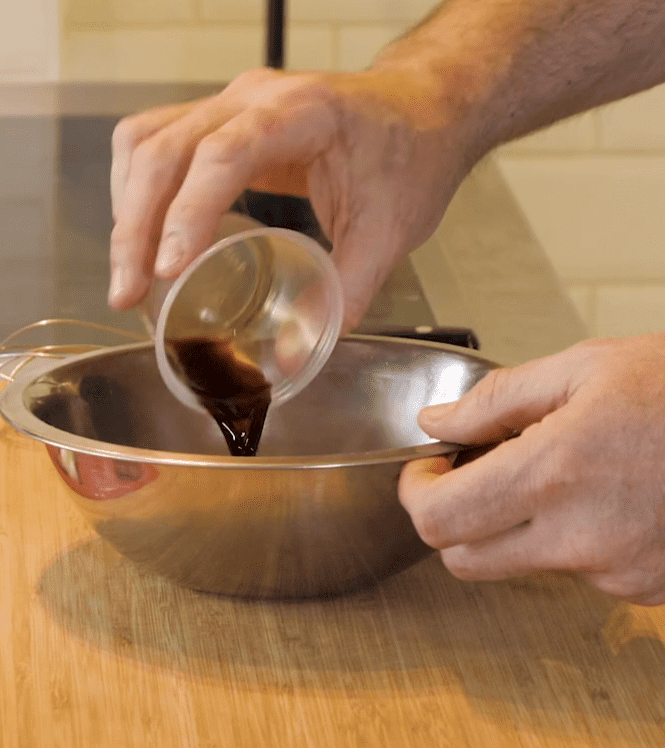
Pour half the rice vinegar directly onto the miso paste. Using a whisk, begin incorporating the liquid with small, circular motions, working from the centre outward. The mixture will initially appear lumpy and resist combining; this is perfectly normal. Continue whisking steadily, adding the remaining vinegar as the mixture smooths out.

The goal is to achieve a uniform, lump-free base that will easily accept additional ingredients. This process typically takes 2-3 minutes of consistent whisking. If stubborn lumps persist, use the back of a spoon to press them against the bowl’s sides while continuing to whisk.

Layering Flavours and Textures

With your miso-vinegar base established, begin introducing the remaining liquid ingredients. Add the mirin first, whisking continuously to maintain the emulsion. The sweet rice wine will lighten the mixture’s colour slightly and contribute a glossy sheen that indicates proper incorporation.

Next, drizzle in the sesame oil while whisking vigorously. Sesame oil can separate easily if added too quickly or without sufficient agitation. The key is maintaining constant motion while adding the oil in a thin stream. Watch for the mixture to become glossy and cohesive, indicating successful emulsification.

Now, incorporate your prepared aromatics. Add the minced garlic first, whisking thoroughly to distribute evenly. The garlic should disappear into the mixture without leaving visible chunks. Follow with the grated Ginger, folding it with broader strokes to prevent breaking down the delicate fibres that provide texture.

Finally, sprinkle in the caster sugar, whisking until completely dissolved. The sugar balances flavours, helps stabilise the emulsion, and creates the glossy finish that characterises professional-quality red miso salad dressing.

Achieving Perfect Consistency

Your authentic miso dressing should achieve a consistency that coats ingredients without overwhelming them. The mixture should flow smoothly from a spoon but maintain enough body to cling to salad leaves. This balance requires careful adjustment.

If your dressing appears too thick, gradually add warm water, one teaspoon at a time, while whisking continuously. Warm water incorporates more easily than cold and won’t shock the emulsion. Test consistency after each addition by lifting the whisk and observing how the dressing falls back into the bowl.

Conversely, if the mixture seems too thin, you can thicken it slightly by whisking more vigorously to tighten the emulsion or adding tiny amounts of miso paste.

Final Seasoning and Resting

Taste your creation at this stage, noting the balance of salty, sweet, sour, and umami elements. The flavours should harmonise rather than compete, with no single element dominating. Adjust seasoning as needed, add a pinch more sugar to balance excessive saltiness, or add rice vinegar if the dressing tastes flat.

Allow your finished red miso ginger dressing to rest for at least 10 minutes at room temperature. This resting period allows the flavours to meld and develop complexity. During this time, the Ginger’s heat will mellow slightly whilst its aroma intensifies, creating the perfect balance that defines exceptional homemade miso ginger sauce.

Professional Techniques for Superior Results

Temperature control is crucial for emulsion stability. Room-temperature ingredients combine more readily than cold ones, so remove your miso and other refrigerated items 30 minutes before preparation.

Whisking technique matters significantly. Use smooth, consistent motions in the same direction to build and maintain emulsion. Erratic or back-and-forth whisking can break the delicate balance you’ve created.

Quality control throughout the process ensures optimal results. Stop frequently to scrape down bowl sides, ensuring all ingredients are fully incorporated. Check for lumps or separation, addressing issues immediately rather than hoping they’ll resolve themselves.

Serving Suggestions

Red Miso Ginger Dressing Recipe

This versatile red miso ginger dressing recipe shines across numerous applications, making it a valuable addition to your culinary repertoire. From traditional Japanese pairings to creative British fusion dishes, explore these tested combinations highlighting the dressing’s remarkable adaptability.

Salad Applications

Transform simple leaves into gourmet experiences by drizzling this Japanese miso dressing over:

  • Mixed Asian greens with cucumber and radish
  • Warm potato salad with spring onions
  • Roasted beetroot and rocket combinations
  • Crispy chicken salad with cashews

Vegetable Pairings

The robust flavours complement both raw and cooked vegetables beautifully:

  • Steamed broccoli and pak choi
  • Roasted aubergine and courgette
  • Grilled asparagus spears
  • Raw carrot and cabbage slaws

Protein Partnerships

This authentic miso dressing works wonderfully as a marinade or finishing sauce for:

  • Grilled salmon or mackerel
  • Roasted chicken thighs
  • Pan-fried tofu steaks
  • Barbecued pork tenderloin

Creative Applications

Beyond traditional uses, try this homemade miso ginger sauce as:

  • A dipping sauce for gyoza or spring rolls
  • Drizzled over rice bowls
  • Mixed through warm noodle salads
  • Brushed on vegetables before grilling

Storage Tips

Red Miso Ginger Dressing Recipe

Proper storage ensures your red miso salad dressing maintains its vibrant flavours and food safety standards.

Refrigeration Guidelines

Store your finished dressing in an airtight glass jar or container in the refrigerator for up to one week. The natural preservatives in miso help extend shelf life, whilst the acidic rice vinegar provides additional protection.

Separation Solutions

Natural separation is normal with homemade dressings. To re-emulsify the ingredients, simply whisk or shake vigorously before each use.

Freezing Considerations

Whilst technically possible, freezing isn’t recommended as it can alter the texture and cause separation issues that affect the final quality of your Japanese miso dressing.

Quality Indicators

Fresh dressing should maintain its reddish-brown colour and pleasant aroma. Discard if you notice any off odours, colour changes, or mould development.

Recipe Variations

Customise this foundational red miso ginger dressing recipe to suit different tastes and dietary requirements. These tested variations maintain authenticity while adapting to personal preferences and seasonal ingredients.

Spicy Miso Variation

For heat lovers, add 1/2 teaspoon chilli oil or a pinch of cayenne pepper. This variation pairs exceptionally well with grilled meats and robust vegetables.

Citrus-Enhanced Version

Incorporate 1 tablespoon fresh lime juice and zest for a brighter, more acidic profile. This works beautifully with seafood and summer salads.

Creamy Miso Dressing

Whisk in 2 tablespoons mayonnaise or Greek yoghurt for a richer, creamier consistency, perfect for heartier salads and vegetable dips.

Herb-Infused Option

Add 1 tablespoon finely chopped coriander or chives for fresh herbal notes that complement the Ginger beautifully.

Sweet and Sour Balance

Increase the mirin to 2 tablespoons and add 1 teaspoon of honey for those preferring sweeter profiles.

Nutritional Benefits

This authentic miso dressing offers impressive nutritional advantages beyond its exceptional taste.

Probiotic Properties

Red miso contains beneficial bacteria that support digestive health and may boost immune function. These live cultures survive the brief preparation process, delivering gut-friendly benefits.

Mineral Content

Miso provides essential minerals, including:

  • Sodium (use sparingly if monitoring salt intake)
  • Potassium for heart health
  • Magnesium for muscle function
  • Zinc for immune support

Ginger’s Health Benefits

Fresh Ginger contributes:

  • Anti-inflammatory compounds
  • Digestive support properties
  • Natural antibacterial qualities
  • Warming circulatory benefits

Caloric Considerations

Each tablespoon of this homemade miso ginger sauce contains approximately 25 calories, making it a flavourful, low-calorie option for healthy eating.

Red Miso Ginger Dressing Recipe 

Red Miso Ginger Dressing Recipe

Prep Time: 5 minutes | Total Time: 10 minutes | Serves: 4-6

Ingredients

  • 3 tablespoons red miso paste (45g)
  • 2 tablespoons rice vinegar
  • 1 tablespoon mirin (Japanese sweet rice wine)
  • 1 teaspoon sesame oil
  • 2 tablespoons fresh Ginger, finely grated
  • 1 clove garlic, minced
  • 1 teaspoon caster sugar
  • 1 tablespoon warm water (optional, for thinning)

Instructions

  1. Prepare aromatics: Finely grate Ginger and mince garlic until paste-like.
  2. Create miso base: Whisk red miso paste with rice vinegar until smooth in a medium bowl.
  3. Add liquids: Whisk in mirin and sesame oil until well combined and glossy.
  4. Incorporate aromatics: Fold in grated Ginger, minced garlic, and caster sugar. Mix thoroughly.
  5. Adjust consistency: Add warm water gradually to achieve the desired thickness.
  6. Rest and serve: Let stand 10 minutes for flavours to meld. Whisk before using.

Storage

Store in refrigerator for up to 1 week in an airtight container. Whisk before each use.

Chef’s Tips

  • Use room temperature ingredients for easier mixing
  • Grate Ginger finely to avoid fibrous chunks
  • Whisk consistently in one direction to maintain the emulsion
  • Adjust sweetness and acidity to taste preferences

Nutritional Info (per tablespoon): Approximately 25 calories

This red miso ginger dressing recipe transforms simple ingredients into a sophisticated condiment that bridges traditional Japanese flavours with modern British cooking, delivering restaurant-quality results in just 10 minutes. 

With ingredients readily available across the UK and endless versatility for salads, marinades, and meal enhancement, this homemade miso ginger sauce offers the perfect balance of umami, warmth, and aromatic complexity to elevate your everyday cooking. 

Start with this foundational recipe, experiment with the variations to create your signature version, and discover why this authentic miso dressing deserves a permanent place in your culinary repertoire.

FAQs

1. Can I make this red miso ginger dressing recipe without mirin?

Absolutely. You can substitute 1 tablespoon dry white wine plus 1/2 teaspoon sugar, or increase the rice vinegar slightly and add an extra pinch of sugar.

2. How long does homemade miso dressing keep?

When stored properly in the refrigerator, this Japanese miso dressing maintains quality for up to one week. The fermented miso and acidic vinegar naturally preserve the mixture.

3. Is red miso gluten-free?

Most red miso contains wheat or barley, making it unsuitable for gluten-free diets. Look for rice-based miso varieties specifically labelled gluten-free in UK health food shops.

4. Can I use white miso instead?

Yes, though the flavour will be milder and sweeter. You may want to reduce the sugar content when using white miso to maintain balance.

5. What’s the best way to incorporate Ginger?

Fresh Ginger, finely grated, provides the best flavour and texture. Ground ginger works in emergencies but lacks the fresh, zingy quality that makes this red miso salad dressing special.

6. Why does my dressing separate?

Natural separation occurs because this is an emulsion without commercial stabilisers. Simply whisk or shake before use. This is normal for authentic miso dressing.

Share with our social media

Leave a Reply

Your email address will not be published. Required fields are marked *