Thai Tea

Authentic Thai Tea: Ingredients, Types & Recipes

Author Avatar

Updated on October 13, 2025

Reviewed by Salma Ihab

Vibrant orange in colour, with a distinctive spiced aroma and velvety texture, Thai tea has captivated tea enthusiasts worldwide. It has transformed from a beloved street beverage in Thailand to a global café staple. This remarkable journey from Bangkok’s bustling markets to international beverage menus speaks to the irresistible charm of this unique drink that perfectly balances sweet, creamy, and spiced elements in every sip.

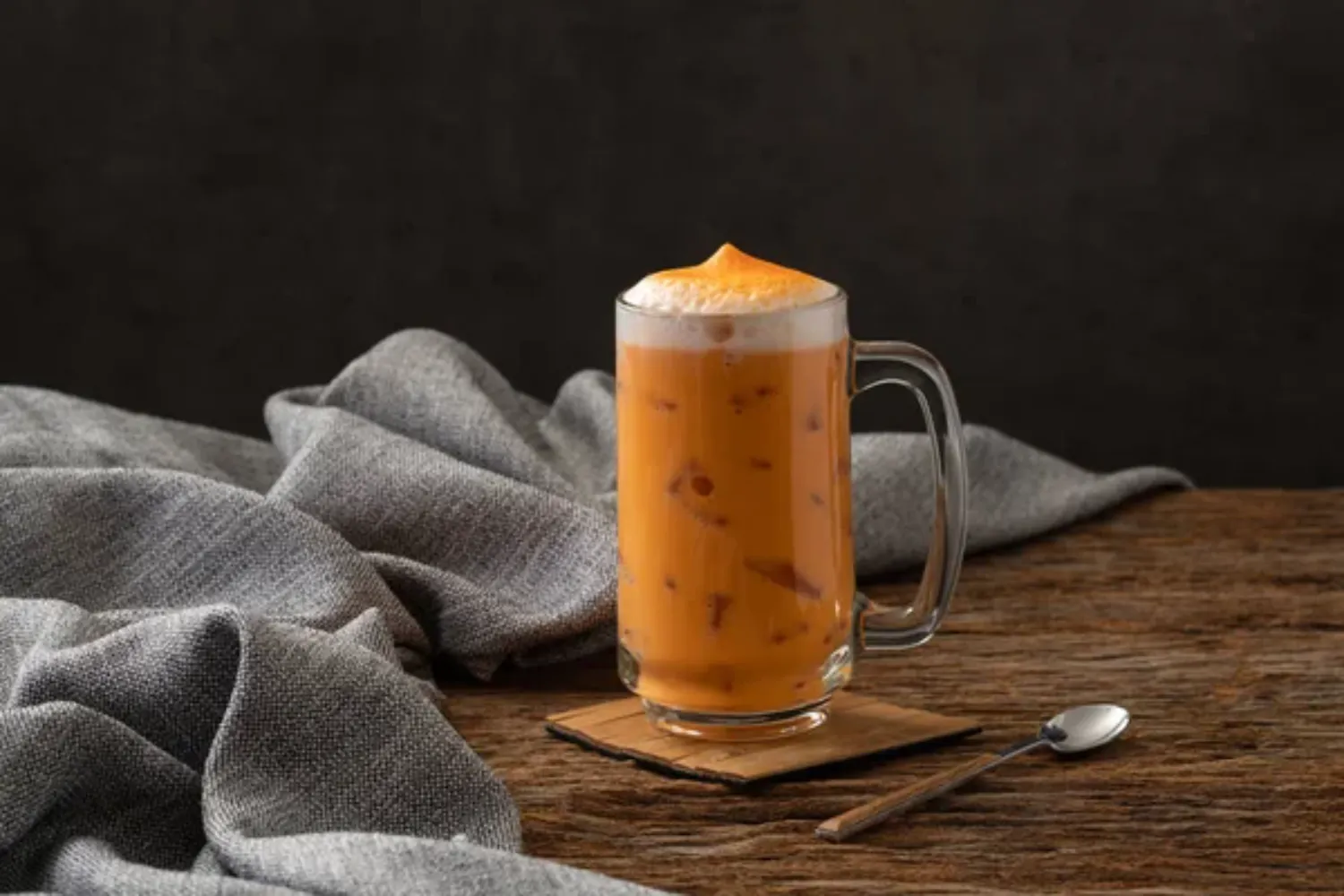
At its heart, Thai tea (known locally as “cha-yen”) represents the perfect harmony of contrasts: strong black tea softened by creamy milk, warming spices cooled by ice, and a striking appearance that promises and delivers an exceptional flavour experience. Unlike ordinary milk tea, Thai tea creates a multisensory experience with its layered presentation, complex spice profile, and signature orange hue that makes it instantly recognisable.

Whether you’re reminiscing about that perfect cup you enjoyed on holiday in Thailand, curious about making an authentic version at home, or simply wondering what gives this beverage its distinctive colour and flavour, this comprehensive guide explores every aspect of Thai tea. From its cultural origins and traditional preparation to modern variations and health considerations, discover why this beloved beverage continues to delight tea lovers around the world.

What Is Thai Tea? Origin and History

Thai Tea

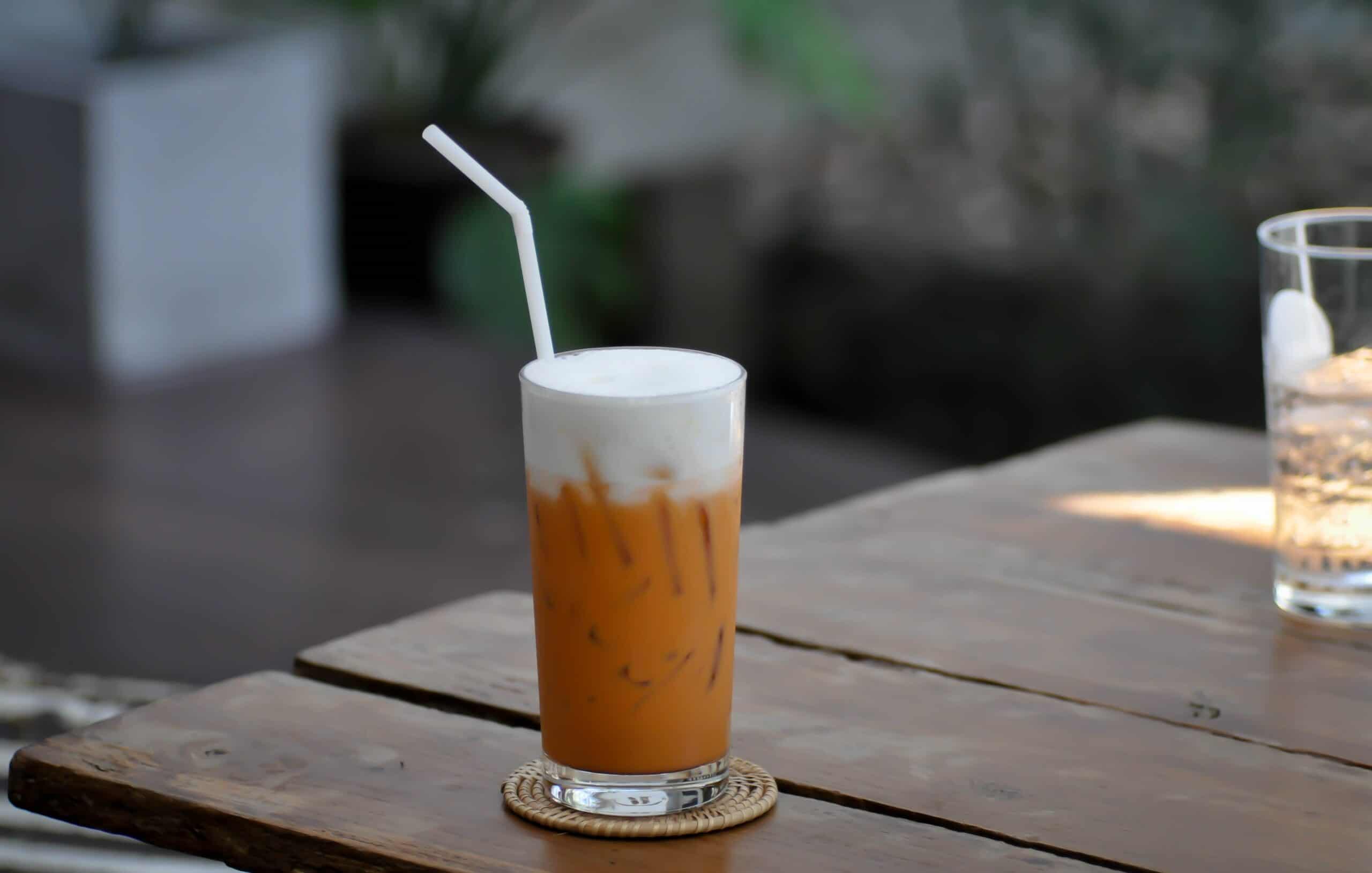
Thai tea, locally known as “cha-yen” (ชาเย็น), is a vibrant orange beverage that balances robust black tea with creamy condensed milk and aromatic spices. Unlike ancient tea traditions, Thai tea emerged relatively recently, gaining popularity in the 1980s during Prime Minister Plaek Phibunsongkhram’s campaign to strengthen Thai national identity.

Traditional preparation involves brewing strong Ceylon tea with spices like star anise and cardamom, then sweetening with condensed milk and sugar. Originally served hot (cha-ron), it evolved to be predominantly served cold (cha-yen) to suit Thailand’s tropical climate.

Thai Tea vs Chai Tea: Key Differences

Though similar in appearance, Thai tea and chai tea have distinct origins and characteristics. Thai tea emerged in Thailand during the 1980s, while chai tea has ancient roots in India’s Ayurvedic tradition.

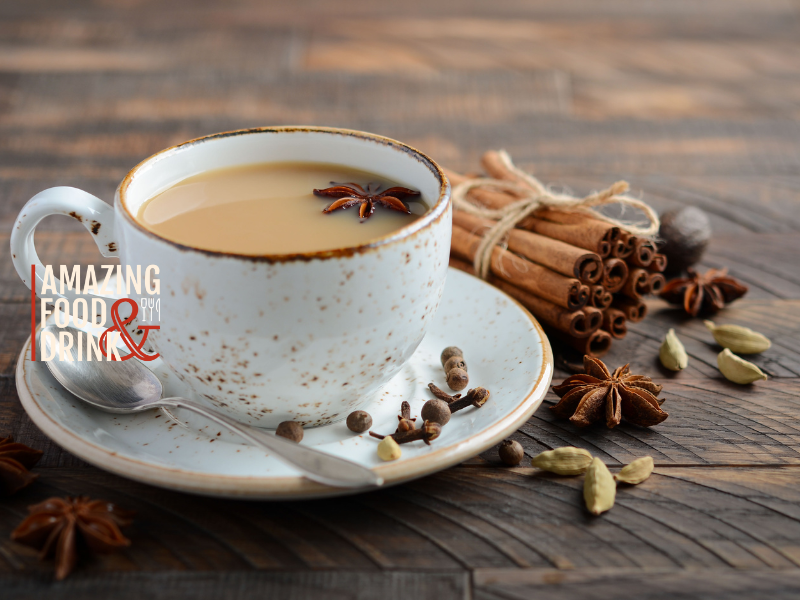
The flavour profiles differ significantly. Thai tea offers a sweeter, more floral taste dominated by star anise with condensed milk’s velvety mouthfeel, typically bright orange in colour. Chai tea presents a spicier profile with prominent ginger and cardamom, usually brown in colour and made with fresh milk.

Thai tea is typically served cold and has a visible layered appearance, while chai tea is served hot with fully integrated milk and spices.

Ceylon Tea: The Authentic Base for Thai Tea

Authentic Thai tea relies on Ceylon tea as its foundation. Named after Sri Lanka’s colonial name, Ceylon tea contributes a bright, full-bodied character with citrus notes and pleasant astringency that balances the condensed milk’s sweetness.

While Ceylon tea originated in Sri Lanka, Thailand now produces its own version in the northern highlands near Chiang Rai. Thai-grown Ceylon tea features slightly more pronounced floral notes that work beautifully in cha-yen.

For the best Thai tea experience, use Thai or Sri Lankan Ceylon specifically, rather than substituting with other black tea varieties.

Thai Tea Ingredients & What Makes It Orange

Authentic Thai tea begins with Ceylon black tea as its robust foundation. It is complemented by a distinctive blend of sweetened condensed milk and evaporated milk that creates its signature creamy texture and layered appearance. Sugar is typically refined white or sometimes palm sugar with its subtle caramel notes, balancing the tea’s natural astringency.

Traditional Thai Tea Spices

The unique flavour profile comes from a careful spice blend dominated by star anise with its distinctive liquorice notes. Ground cardamom adds warmth without overwhelming, while tamarind contributes subtle tartness.

Regional variations might incorporate cinnamon, cloves, or orange blossom water, reflecting Thailand’s diverse culinary landscape.

Why Is Thai Tea Orange? (Turmeric & Colouring Explained)

Thai tea’s vibrant orange colour originally came from natural ingredients, primarily turmeric root. This visual distinction emerged in the 1980s as street vendors sought to make their beverages stand out in busy markets.

Today, commercial versions often use food colouring (typically FD&C Yellow #6) for consistency, though premium brands may use natural alternatives like turmeric extract or annatto seed. Home brewers can achieve a natural orange hue using fresh turmeric, cinnamon, and a pinch of paprika.

Types of Thai Tea

Thai tea culture extends well beyond the familiar orange beverage, encompassing numerous variations that showcase Thailand’s culinary innovation. From temperature differences to milk options and herbal infusions, exploring these varieties offers insight into Thailand’s rich tea tradition.

Hot Thai Tea vs Iced Thai Tea

Thai Tea

Temperature significantly influences the Thai tea experience, affecting both flavour perception and serving style.

Traditional Hot Thai Tea (Cha-Ron) represents the original form, typically consumed during morning hours. Served steaming, it delivers pronounced spice flavours as heat amplifies the aromatic qualities of star anise and cardamom.

Refreshing Iced Thai Tea (Cha-Yen) emerged as an adaptation to Thailand’s tropical climate. Popular with meals, its cooling effect creates a refreshing counterpoint to spicy cuisine while slightly muting spice notes and emphasising creamy sweetness.

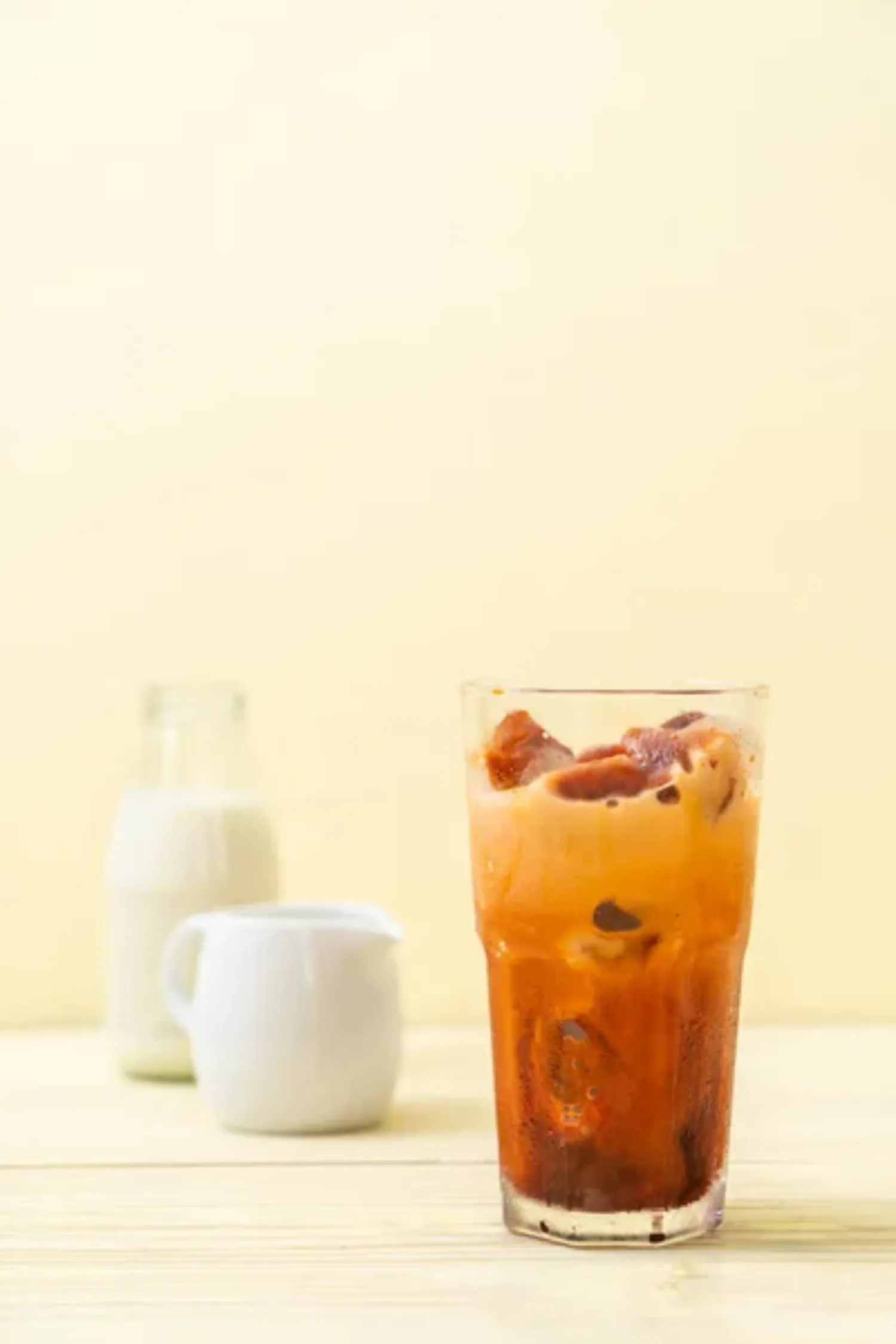
The preparation methods differ slightly between versions. Hot Thai tea typically incorporates milk directly into the brewing process, while iced Thai tea often features the distinctive layered presentation with condensed milk at the bottom, ice in the middle, and tea poured over the top.

Thai Milk Tea Variations

Thai Tea

Milk tea variations showcase Thailand’s culinary adaptability while maintaining Thai tea’s essential character.

Classic Thai Milk Tea (Cha-Nom) forms the foundation, combining Ceylon tea with condensed milk, evaporated milk, and sugar. This basic formula has spawned numerous creative variations.

Green and Oolong Alternatives substitute different tea bases. Thai green milk tea offers a lighter, more vegetal profile, often coloured vivid green with pandan extract. Thai oolong milk tea presents a middle ground with more floral notes and less astringency.

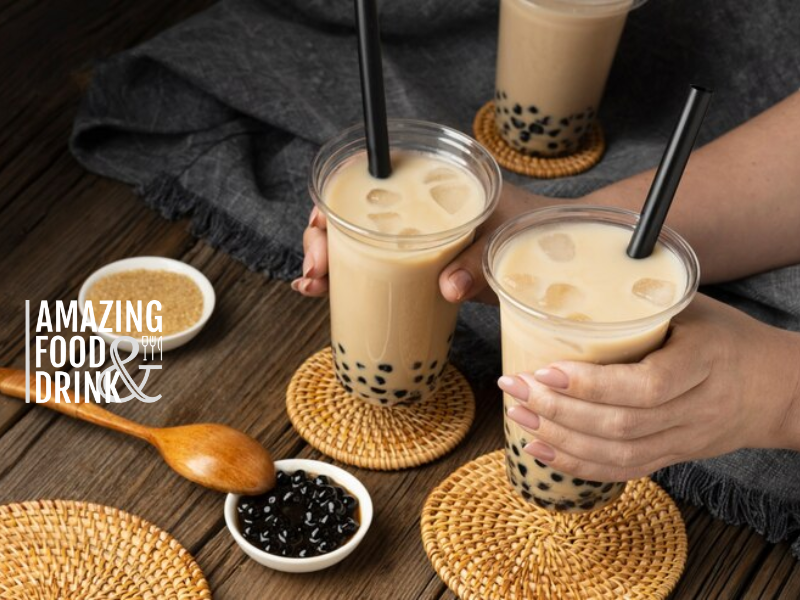
Modern Varieties include Thai bubble milk tea (with tapioca pearls), Thai coffee milk tea (blending tea and coffee), and dessert-inspired versions like caramel, chocolate, and matcha variations that appeal to younger consumers while maintaining connections to traditional Thai tea culture.

Thai Herbal Tea Types

Thai Tea

Thailand’s herbal tea tradition represents a different branch of tea culture rooted in traditional medicine and passed-down botanical knowledge.

Butterfly Pea Flower Tea (Cha Dok Anchan) is the most visually striking herbal tea, producing a vibrant blue infusion that changes to purple with acidic ingredients. Beyond Camellia sinensis-based teas, Thailand offers many herbal infusions collectively known as “cha samunphrai.”

Aromatic Herbal Varieties include lemongrass tea (cha takrai), which delivers a bright, citrusy profile with subtle minty undertones, traditionally consumed to aid digestion.

Medicinal Thai Herbal Teas include ginger tea (cha khing) for soothing throat discomfort, pandanus leaf tea (cha bai toey) with its rice-like fragrance, and chrysanthemum tea (cha kek huay) valued for its cooling properties. These showcase the remarkable diversity of Thai tea culture beyond milk-based preparations.

Thai Tea Health Benefits & Nutrition

As Thai tea grows in popularity worldwide, many enthusiasts question its nutritional profile and health implications. This beloved beverage offers potential benefits alongside considerations that vary with preparation methods and ingredients.

Understanding Thai tea’s nutritional composition helps consumers make informed choices aligned with their health goals. While traditional recipes may not suit strict dietary regimens, modern adaptations allow enthusiasts to enjoy this cultural beverage while maintaining wellness objectives.

Is Thai Tea Good For You?

The health impact of Thai tea requires a nuanced perspective, varying significantly based on preparation methods and ingredient quality.

Potential Health Benefits

Traditional Thai tea has black tea as its base, which provides polyphenols and antioxidants (theaflavins and thearubigins) associated with potential cardiovascular benefits and anti-inflammatory properties.

The spice blend, particularly star anise and cardamom, contains bioactive compounds that traditional Thai medicine links to digestive support and overall wellness.

Nutritional Considerations

A standard 350ml serving of traditional Thai tea with condensed milk typically contains 250-300 calories, 8-12g of fat, and 35-45g of carbohydrates (mostly from added sugars).

This profile positions Thai tea as an occasional treat rather than an everyday beverage for those monitoring calories or sugar. Condensed milk adds calcium and protein, but also contributes to saturated fat.

Healthier Adaptations

Several modifications can balance enjoyment with health consciousness. Reducing condensed milk or substituting it with coconut or almond milk significantly impacts caloric and sugar content.

Using stevia, monk fruit sweetener, or simply less sugar maintains sweetness while better aligning with contemporary nutritional guidelines.

For those concerned about artificial colours, versions made with natural turmeric or homemade preparations offer greater ingredient control.

Caffeine Content in Thai Tea

Understanding Thai tea’s caffeine profile helps consumers make choices aligned with their wellness goals.

Typical Caffeine Levels

A standard 350ml serving contains approximately 30-50mg of caffeine, lower than comparable coffee servings (95-200mg).

Ceylon tea, the traditional base, contains moderate caffeine levels compared to other black tea varieties, making Thai tea a potential alternative for those reducing caffeine while still enjoying some energising benefits.

Factors Affecting Caffeine Content

Several variables influence caffeine levels in Thai tea. Hotter brewing temperatures extract more caffeine, while longer steeping times increase concentration. Premium shops often use higher tea-to-water ratios, potentially resulting in stronger brews. These preparation differences explain why Thai tea from different vendors may produce varying stimulation levels.

Caffeine-Conscious Options

Several options exist for those seeking to modify caffeine content. Decaffeinated black tea offers a low-caffeine version, Thai green tea variations contain slightly less caffeine than black tea versions, and the rich tradition of Thai herbal teas (butterfly pea flower, lemongrass) provides completely caffeine-free alternatives that still deliver satisfying flavour profiles.

Authentic Thai Tea Recipe

Thai Tea

Creating authentic Thai tea at home allows you to customise sweetness, spice intensity, and milk ratio to your preference. While commercial versions often use pre-mixed powders, a traditionally prepared recipe offers superior depth and complexity.

The secret lies in understanding each ingredient’s purpose and proper brewing techniques. With just a few speciality ingredients and attention to detail, you can create café-quality Thai tea rivalling any found in Thailand.

Thai Tea Ingredients List

The foundation of exceptional Thai tea begins with selecting the right ingredients that create its distinctive flavour profile and appearance.

Essential Base Ingredients

  • Ceylon Tea: 4 tablespoons loose-leaf (preferably Thai Ceylon)
  • Sweetener: 3-4 tablespoons sugar (palm sugar for more authentic flavour)
  • Condensed Milk: 3 tablespoons
  • Evaporated Milk: 2 tablespoons (for signature topping)
  • Water: 2 cups filtered
  • Ice: 2 cups (for iced version)

Traditional Spice Blend

  • Star Anise: 2 whole pods (crucial for authentic flavour)
  • Cardamom: 4 green pods, lightly crushed
  • Tamarind: 1 teaspoon paste (optional)
  • Cinnamon: 1 small stick
  • Vanilla: ¼ teaspoon extract (optional)

Colouring Options

  • Natural Option: ½ teaspoon ground turmeric
  • Traditional Option: A Few drops of food colouring (if desired)

Equipment Needed

Medium saucepan, fine-mesh strainer, tall glasses, long spoon

Step-by-Step Hot Thai Tea Recipe

Creating perfect hot Thai tea requires attention to the brewing process to extract optimal flavours from both tea and spices.

Brewing the Tea Base

  1. Bring 2 cups filtered water to a rolling boil in a medium saucepan.
  2. Remove from heat; add Ceylon tea, star anise, cardamom, cinnamon, and turmeric.
  3. Cover and steep 3-5 minutes for standard strength (10 minutes for stronger brew).
  4. The water will develop a deep amber or orange hue as ingredients release flavours.

Sweetening and Finishing

  1. While the tea is hot, add sugar and stir until completely dissolved.
  2. If using tamarind paste, add it now and stir thoroughly.
  3. Strain mixture through fine-mesh strainer, pressing gently on solids.
  4. Pour hot tea into cups, filling three-quarters full.
  5. Add 1-2 tablespoons condensed milk and stir until integrated.

Serving Traditional Hot Thai Tea

  1. Drizzle about 1 tablespoon evaporated milk over the surface just before serving.
  2. Do not stir after adding evaporated milk to create a layered appearance.
  3. Serve immediately, letting each person stir layers according to preference.

Traditional Iced Thai Tea Method

Iced Thai tea offers a refreshing counterpoint to Thailand’s tropical heat and spicy cuisine.

Preparing the Base

  1. Follow hot tea brewing steps, creating a stronger concentration (steep for a full 10 minutes).
  2. After straining, cool to room temperature to prevent ice from melting too quickly.
  3. Refrigerate until thoroughly chilled, at least 2 hours or overnight.

The Layering Technique

  1. Place 2 tablespoons of condensed milk at the bottom of each tall glass.
  2. Fill glasses three-quarters with ice (larger cubes melt more slowly).
  3. Slowly pour chilled tea over the back of a spoon held above ice to create a layered effect.
  4. Drizzle 1-2 tablespoons evaporated milk over the top for a cloudy swirl.

Serving and Enjoyment

  1. Serve with a long spoon and a straw, allowing guests to mix layers to preference.
  2. For street vendor authenticity, serve in a clear plastic bag with a rubber band and a straw.
  3. Perfect alongside spicy dishes where sweetness provides balance.
  4. Can be refrigerated up to 48 hours; stir before drinking if stored.

Modern Thai Tea Variations

While traditional Thai tea holds a special place in culinary culture, innovative adaptations have expanded its landscape with creative interpretations that appeal to evolving tastes and dietary preferences.

These modern variations maintain the essence of classic Thai tea while incorporating contemporary techniques and ingredients.

Thai Tea Frappé Recipe

Thai Tea

This refreshing frozen beverage fuses traditional Thai flavours with the blended ice technique popularised by modern coffee chains. It is perfect for hot summer days when even iced Thai tea might not provide enough cooling relief.

Ingredients

  • 1 cup strong Thai tea, brewed and chilled (use double tea concentration)
  • 2-3 tablespoons sweetened condensed milk
  • 2 cups ice cubes
  • 1/4 teaspoon vanilla extract (optional)
  • Whipped cream for topping (optional)
  • Ground cinnamon or star anise powder for garnish

Preparation Method

  1. Brew strong Thai tea using twice the normal amount of tea leaves, then chill thoroughly.
  2. Combine chilled tea, condensed milk, vanilla (if using), and ice cubes in a blender.
  3. Blend on high until smooth (30-45 seconds), adjusting consistency with additional liquid or ice as needed.
  4. Pour into tall glasses and top with whipped cream, a dust of spice, and a drizzle of condensed milk.
  5. Optional variations: Add boba pearls after blending, a shot of espresso for a coffee fusion, or vanilla ice cream for a milkshake version.

Thai Tea Latte Recipe

Thai Tea

This variation adapts Italian coffee culture techniques to Thai tea’s distinctive profile, elevating it through properly steamed milk and sophisticated layering.

Essential Components

  • 3/4 cup strong Thai tea concentrate (1.5× standard strength)
  • 1/2 cup whole milk (for steaming)
  • 1-2 tablespoons condensed milk
  • Microfoam milk for topping
  • Thai tea leaves or star anise powder for garnish

Preparation Method

  1. Brew strong Thai tea concentrate using 1.5× the normal amount of tea leaves and spices.
  2. Heat milk to approximately 65°C (150°F) and create microfoam using a steam wand, frother, or French press technique.
  3. Sweeten the hot tea with condensed milk, then pour into a wide-mouthed cup filling two-thirds full.
  4. Hold steamed milk 10cm above the cup and pour slowly, bringing the pitcher closer at the end to create a top layer of microfoam.
  5. Garnish with a sprinkle of star anise powder or attempt simple latte art designs.
  6. Variations include Spiced Thai Tea Latte (with additional warming spices) or Iced Thai Tea Latte.

Dairy-Free Thai Tea Options

Thai Tea

With growing interest in plant-based diets, dairy-free Thai tea variations have evolved from simple substitutions to sophisticated adaptations that maintain the creamy richness of the original.

Plant-Based Milk Alternatives

  • Coconut Milk is the most traditional option, with complementary tropical notes. To replace dairy components, use 2 tablespoons of coconut cream plus 2 tablespoons of coconut milk.
  • Oat Milk offers a naturally creamy texture and slight sweetness. To prevent thickening, reduce the added sugar slightly and shorten the cooking time.
  • Almond Milk works well in iced preparations; to improve consistency, add 1/8 teaspoon xanthan gum for hot versions.
  • Soy Milk has a High protein content, creating satisfying richness. If needed, balance its distinctive flavour with additional spices.

Sweetener Adaptations

Create plant-based condensed milk by simmering 2 cups of coconut milk with 1/3 cup of sugar until reduced by half, then cooling until thickened. Alternative sweeteners like date, maple, or coconut sugar complement Thai tea’s spice notes well.

Special Considerations

For the traditional layered effect with plant milks (which have a different density than dairy), chill all components thoroughly and pour very slowly over the back of a spoon.

For bubble tea variations, prepare boba pearls in coconut sugar syrup rather than standard simple syrup for complementary flavours. This Option maintains an authentic flavour profile while accommodating plant-based dietary preferences.

From its vibrant orange hue to its perfect balance of spice and sweetness, Thai tea represents the beautiful harmony of culinary tradition and innovation. Whether enjoyed in its classic iced form, as a warming hot beverage, or through creative modern interpretations, the essence of Thai tea, Ceylon tea, aromatic spices, and creamy sweetness remains consistently delightful.

As you explore the recipes in this guide, remember that Thai tea accommodates various dietary preferences through plant-based alternatives while still delivering its signature flavour experience. Whether made at home or enjoyed at your favourite restaurant, Thai tea offers an accessible, delicious taste of Thailand’s rich culinary heritage in every sip.

FAQs

1. What is Thai tea made of?

Thai tea is primarily made from strongly brewed Ceylon black tea, mixed with spices like star anise and cardamom. The distinctive orange colour comes from food colouring or turmeric, while condensed milk and evaporated milk provide the creamy sweetness.

2. Why is Thai tea orange?

Thai tea uses Ceylon tea with star anise as the dominant spice and is typically served cold with condensed milk. Chai tea originates from India, uses different spices (prominently ginger and cardamom), and is traditionally served hot with regular or buffalo milk.

3. Is Thai tea high in caffeine?

Thai tea contains moderate caffeine levels, approximately 30-50mg per 350ml serving, which is about half the amount in a comparable serving of coffee. The exact caffeine content depends on brewing strength, steeping time, and the specific Ceylon tea used as the base.

4. Can I make Thai tea without dairy?

Yes, Thai tea can be made dairy-free by substituting condensed milk and evaporated milk with plant-based alternatives. Coconut milk works particularly well as it complements the flavour profile, while oat milk provides excellent creaminess. Sweetness typically provided by condensed milk can be replicated with sugar syrup or other sweeteners.

5. What’s the difference between Thai tea and chai tea?

Thai tea uses Ceylon tea with star anise as the dominant spice and is typically served cold with condensed milk. Chai tea originates from India, uses different spices (prominently ginger and cardamom), and is traditionally served hot with regular milk or buffalo milk.

Share with our social media