Best Selling Tea

Best Selling Tea in England: Complete Guide (2025)

Author Avatar

Updated on December 8, 2025

The best selling tea in England reveals much about British culture and daily life. Tea isn’t merely a drink; it’s a cultural cornerstone, a daily ritual, and a symbol of British identity that spans centuries.

Whether you’re reaching for your first cup at dawn or settling in for afternoon tea, understanding what makes certain blends dominate the market reveals fascinating insights into British tastes, regional water chemistry, and the art of the perfect brew. From early mornings to late afternoons, tea remains the nation’s go-to beverage. But which brands truly lead the market? Why do certain blends work better with your local water?

This comprehensive guide answers these questions whilst providing tested brewing techniques that go beyond the simple cuppa.

The British Tea Tradition: Why It Matters

Historically, tea rose to prominence in the mid-1600s when the British East India Company began importing it on a large scale. With coffee exports disrupted during wars with France and Spain, tea quickly became the preferred drink. By the 18th century, it had cemented its place in British society, transforming from an expensive luxury into a daily necessity.

Today, most Britons drink tea multiple times daily. The vast majority comes in tea bags, although growing numbers now explore loose leaf and speciality options. With its variety in blends, strengths, and flavours, tea continues to suit every taste and occasion across the UK.

Understanding the UK Tea Market Landscape

Best Selling Tea

The UK tea market is valued at over £660 million annually, with black tea blends dominating approximately 75% of sales. Yorkshire Tea has surged to become the current market leader in value sales through its “proper tea” branding and consistently strong flavour profile. PG Tips and Tetley compete closely for second position, whilst Twinings maintains its premium position through heritage branding.

Recent years have seen shifts toward ethical sourcing, with Rainforest Alliance and Fairtrade certifications influencing purchasing decisions. There’s also growing interest in plastic-free tea bags, loose leaf options, and premium blends.

Different Varieties of Tea

All true teas come from the Camellia sinensis plant. Scientists continue developing varieties that can survive in different conditions to maintain tea production globally.

These wide varieties result in different flavours and colours. The three main categories familiar to the public are black tea, green tea, and herbal infusions (which aren’t technically “tea” but are brewed similarly).

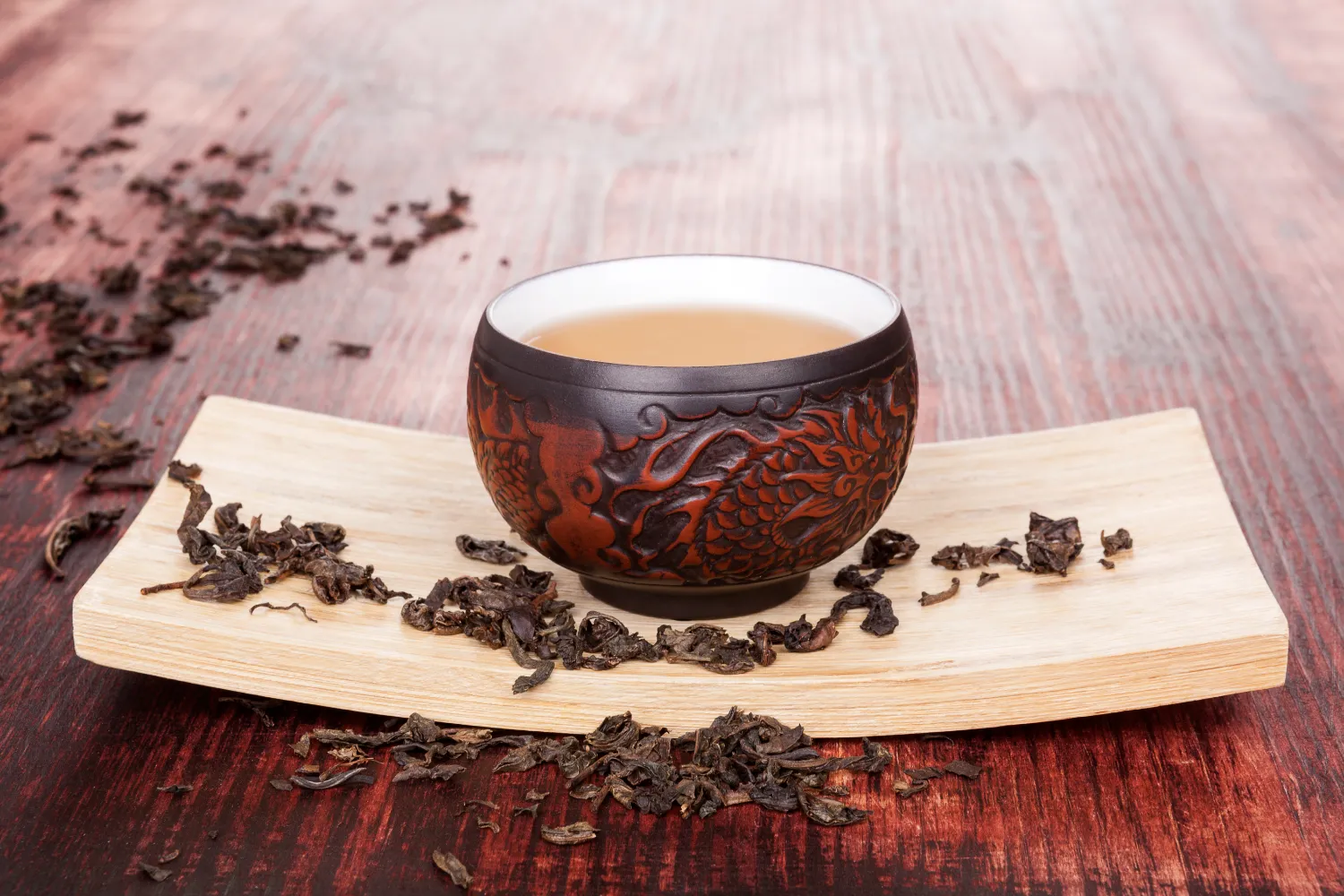
Black Tea: The British Standard

Best Selling Tea

Black tea forms the foundation of Britain’s tea culture and accounts for the vast majority of daily consumption.

Most British people are familiar with black tea since it is the UK’s most commonly used tea product. Black tea is available in a wide range of flavours and is manufactured worldwide, with tastes varying depending on the growing region and flavour combinations used.

Black tea is produced through withering, rolling, oxidation (also called fermentation), and drying. During withering, fresh leaves lose moisture and become pliable. Rolling breaks cell walls, releasing enzymes that trigger oxidation. This oxidation process, where leaves are exposed to oxygen for 1-3 hours, is what gives black tea its characteristic dark colour and robust flavour.

The main regional sources are Assam (India), which offers bold, malty, full-bodied flavour; Ceylon (Sri Lanka), which adds brisk, bright, slightly citrusy notes; and Kenyan tea, which provides strong, coppery character.

Green Tea: The Ancient Alternative

Best Selling Tea

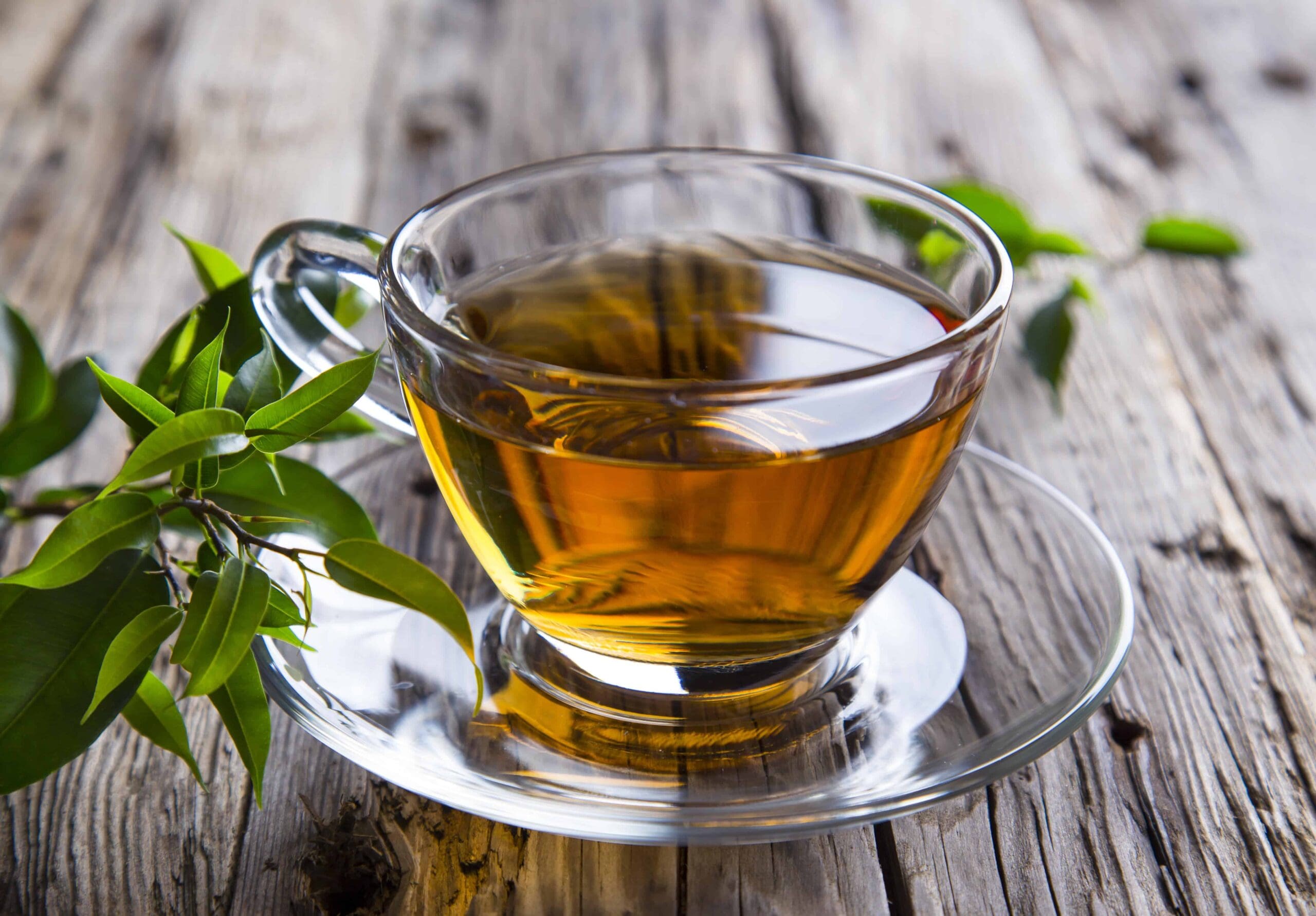
Green tea has been grown in Japan and China for thousands of years, preceding black tea. As they are barely fermented, green teas are frequently referred to as non-fermented or unfermented teas. They can be made in various methods, but are generally produced by heating (either steaming in Japan or pan-firing in China), rolling, and drying to halt oxidation and preserve freshness.

Green tea requires more delicate handling than black tea. Water temperature should be 70-80°C rather than boiling, and steeping times of 2-3 minutes prevent bitterness. When testing green tea brands in our kitchen, boiling water consistently produced bitter, astringent brews regardless of quality.

Herbal Tea: The Caffeine-Free Option

Best Selling Tea

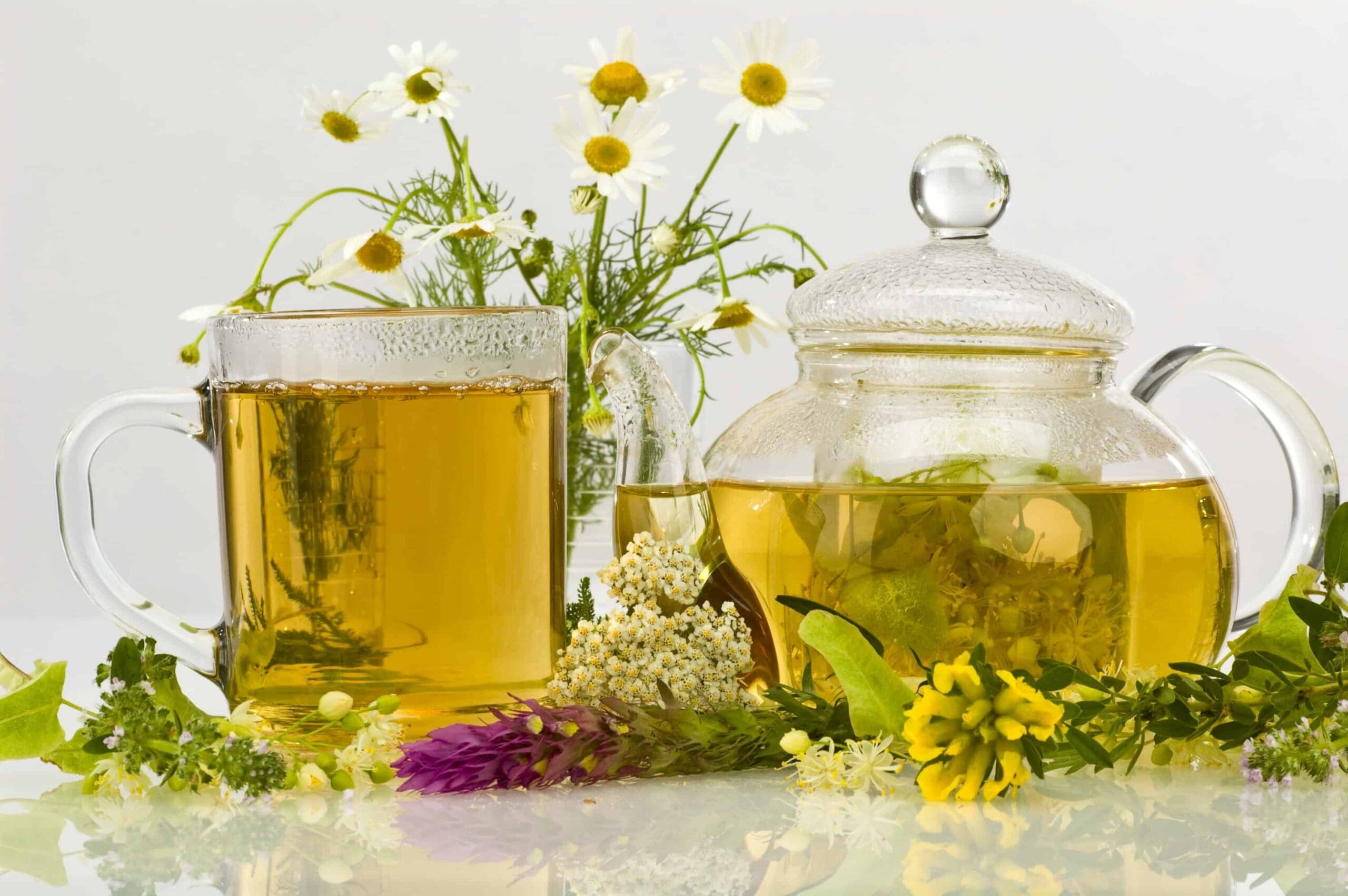
Herbal tea doesn’t usually contain any tea leaves from Camellia sinensis. Instead, they depend on fresh or dried herbs like chamomile, peppermint, and hibiscus, which help calm nerves and promote well-being. They might be better classed as infusions or tisanes rather than tea. They come in different colours and flavours, from the golden hues of chamomile to the deep ruby of hibiscus.

Forms of Tea: Understanding Your Options

There are four different forms of tea known and consumed worldwide, each with distinct characteristics that affect flavour and brewing.

Tea Bags: Convenience with Considerations

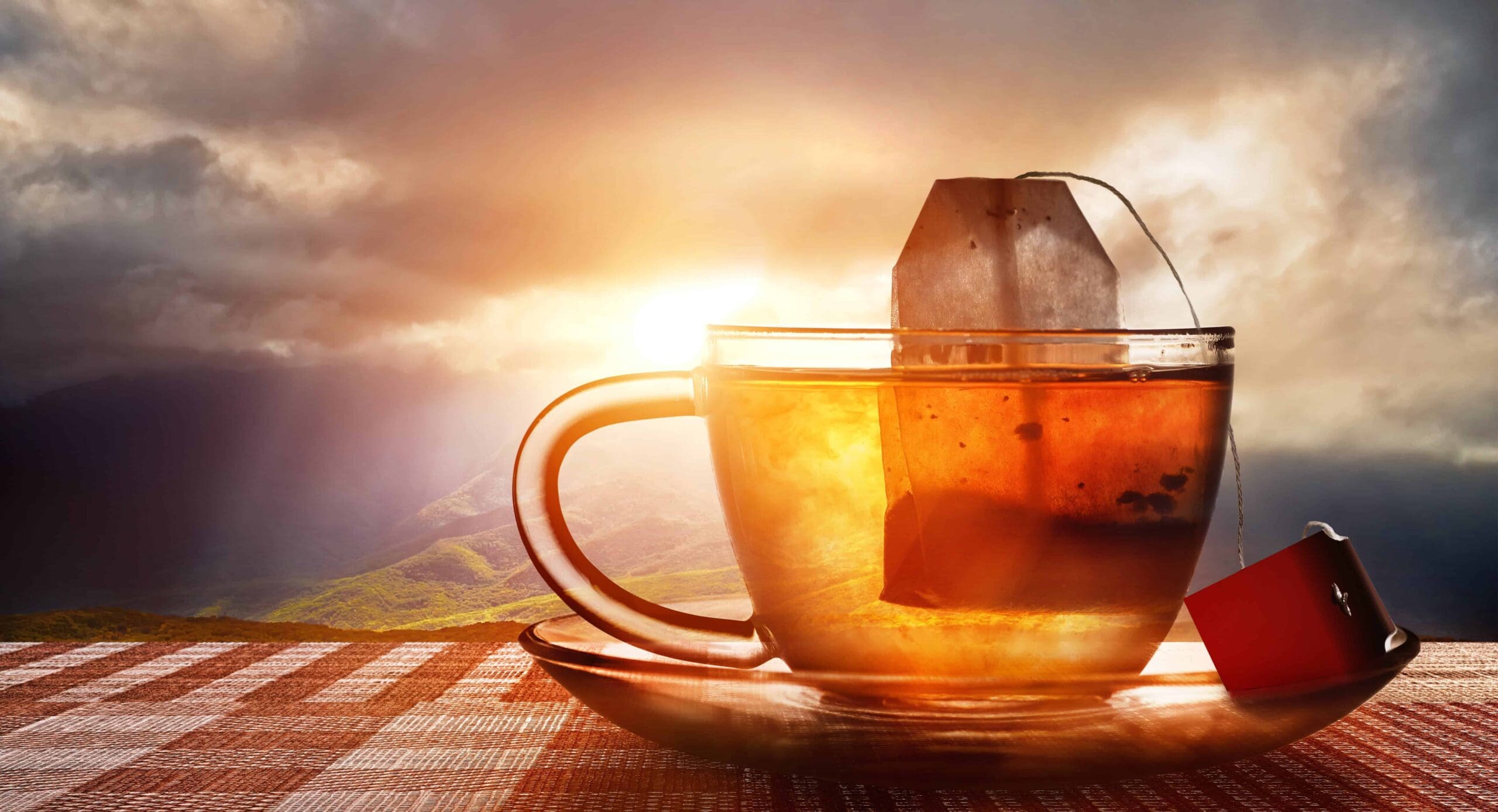
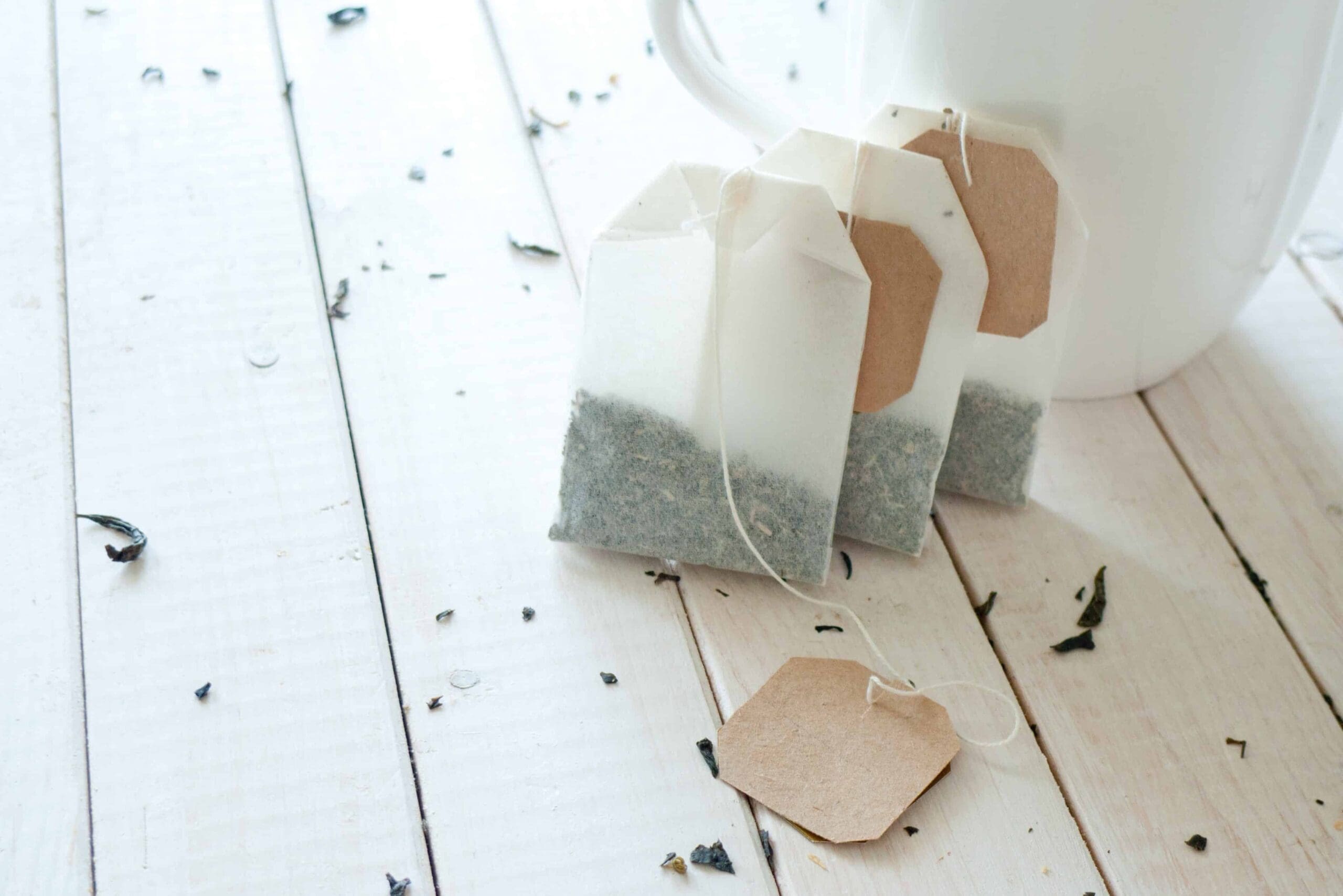
Tea bags remain the most popular form in Britain, offering convenience for daily brewing. They are the most common form of tea worldwide. A tea bag is generally a tiny, porous bag used to steep tea. The leaves inside are typically smaller, either “fannings” or “dust” grades, which brew quickly but may lack the complexity of whole leaves.

Many tea experts believe bags are not the optimal form, as there isn’t enough space for the leaves to fully expand. However, pyramid bags (like those used by PG Tips) offer more room for leaf movement, producing better extraction.

Loose-Leaf Tea: The Purist’s Choice

Loose-leaf tea offers superior flavour and better value for money compared to bags. Rather than being sealed in individual bags, the tea leaves are loose in their container.

They have a vibrant flavour as tea leaves are the only component, making a richer and more natural taste. Use approximately one teaspoon per cup, place in a teapot or infuser, add freshly boiled water, and allow to infuse according to tea type.

Powdered Tea: The Matcha Phenomenon

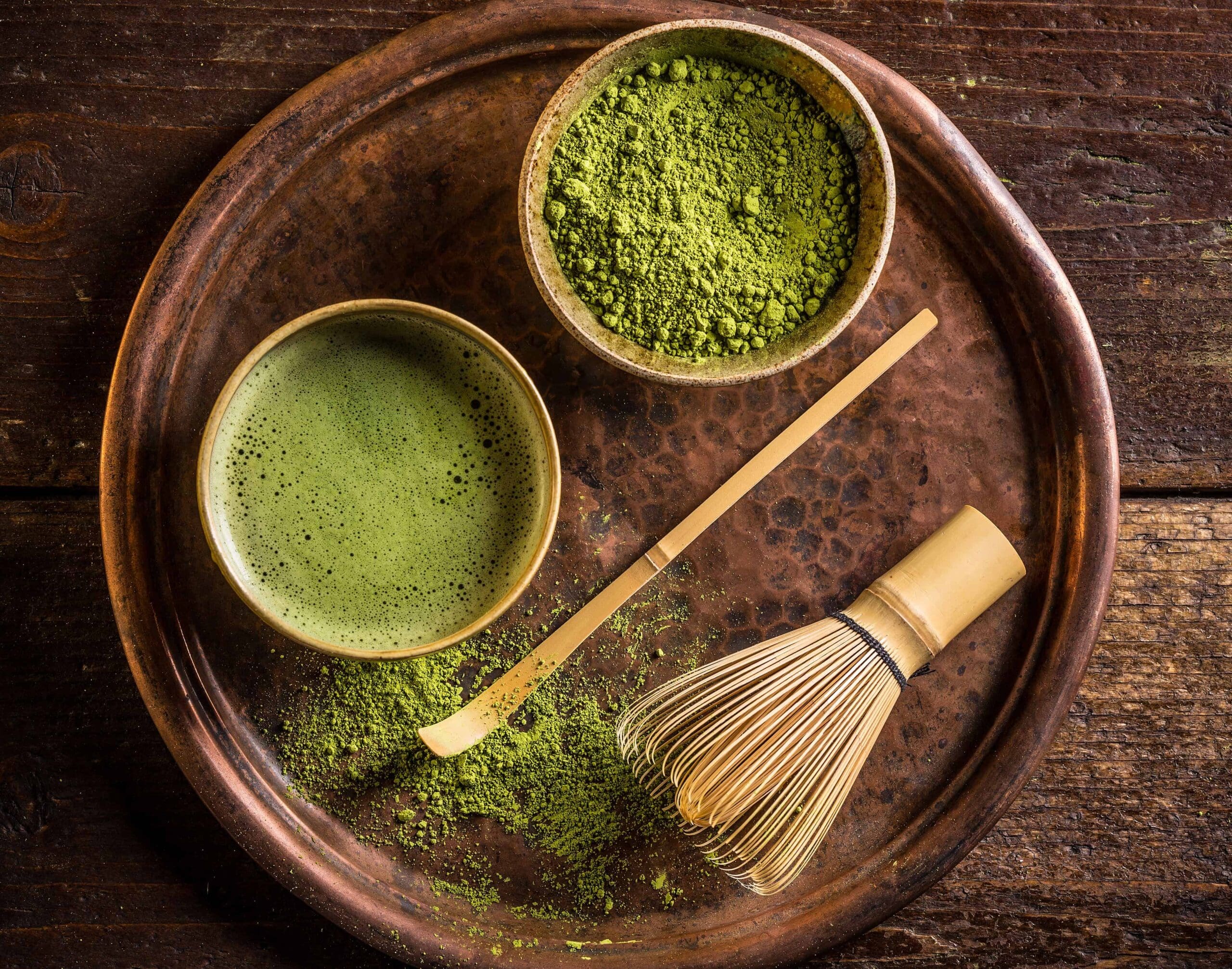
Powdered tea, particularly matcha, has gained popularity for its health benefits and unique preparation. It is a less familiar form in Britain but is gaining popularity. The most famous powdered tea is a form of green tea called matcha, celebrated for its incredible health benefits.

Matcha is finely ground tea leaves; it’s then whisked into hot water to create a smooth, rich-flavoured tea. Traditional matcha preparation uses a bamboo whisk to create a smooth, frothy texture.

Fermented Tea: The Probiotic Option

It is tea that has undergone a fermenting process to change its flavour or stimulate the growth of beneficial bacteria. It is exposed to oxygen, humidity, and microorganisms during fermentation. It’s well-known for its health benefits as it helps increase energy and aid digestion.

Kombucha, the most popular fermented tea in the UK, can be produced from black tea but is usually slightly sweetened and flavoured as it undergoes fermentation.

Top 11 Best Selling Tea Brands in England

These brands dominate British supermarket shelves and tea cupboards across the nation.

Since we now know the different varieties of tea, let’s examine the best-selling options in England with detailed tasting notes and brewing recommendations.

1. Yorkshire Tea: The Market Leader

Best Selling Tea

Yorkshire Tea is widely regarded as one of the UK’s favourite tea brands. Known for its rich, strong flavour and no-nonsense character, it consistently tops consumer polls and supermarket sales charts.

It’s crafted using a blend of high-quality Assam and African teas (approximately 60% Assam, 30% African, 10% Ceylon), creating a bold and satisfying brew that holds up exceptionally well to milk.

Expect a full-bodied, malty flavour with biscuit-like notes and a smooth finish. Produced by Taylors of Harrogate, a family business with over 130 years of tea expertise, Yorkshire Tea carries Rainforest Alliance certification.

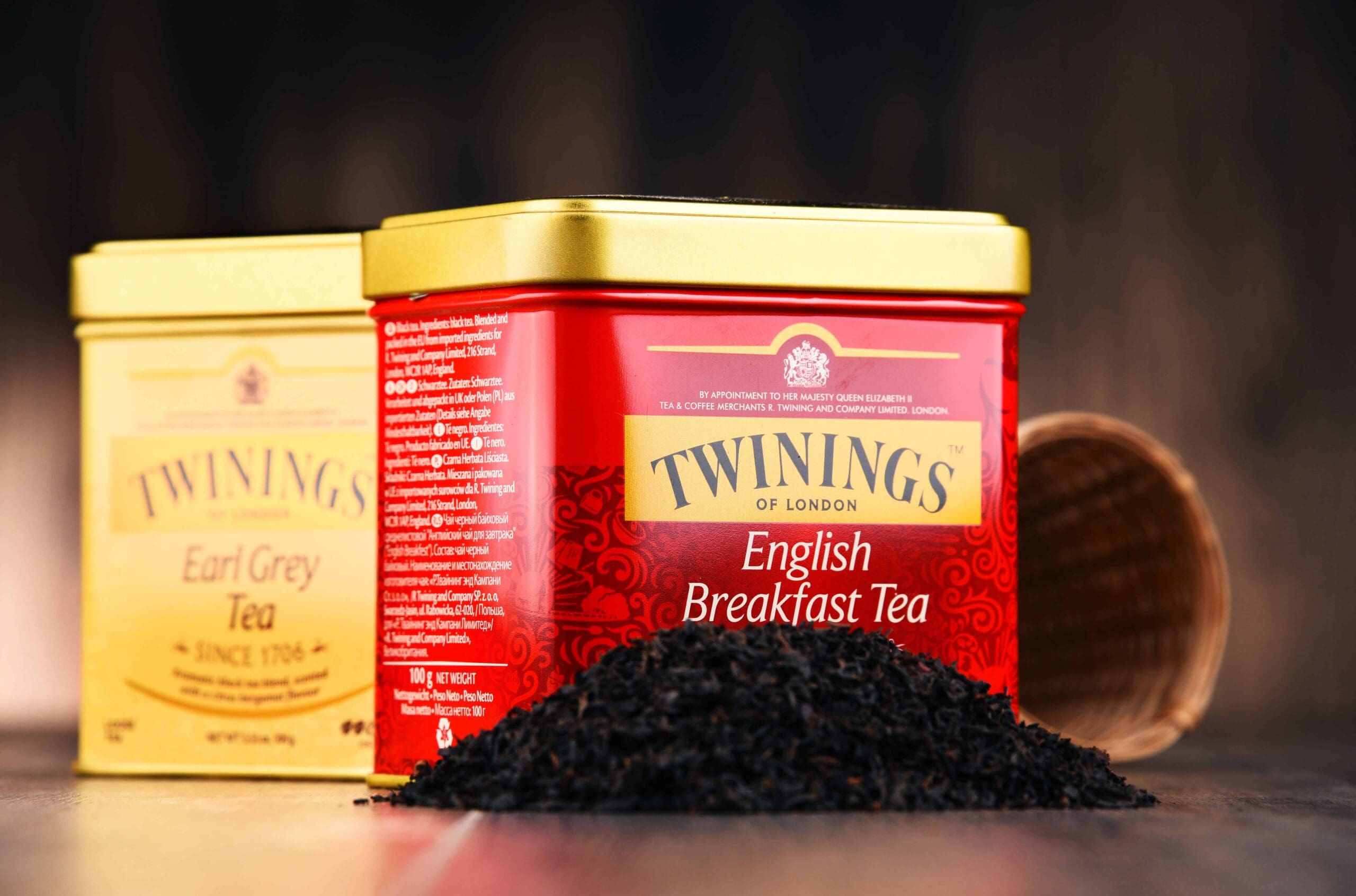
2. Twinings English Breakfast Tea: The Heritage Blend

Best Selling Tea

Twinings started with Tom’s Coffee House in 1706. It began making these classic tea bags in 1930 to complete the traditional English breakfast. Breakfast tea is made from the finest tea gardens, sourcing Indian, Ceylon, and Kenyan tea leaves.

Twinings tea won the Great Taste Award in 2019 and is among the oldest tea brands in the world, holding a Royal Warrant as tea suppliers to the Royal Family.

Twinings English Breakfast offers a more refined, complex taste than supermarket standards. The Ceylon content adds brightness that prevents heaviness, whilst the Kenyan tea provides body. Breakfast tea pairs excellently with oily breakfast foods and sweet desserts.

3. PG Tips Original: The Pyramid Pioneer

Best Selling Tea

PG Tips is one of the best-selling teas in the UK, ideal for those who like a strong but not bitter cup of black tea in the morning. PG Tips pioneered the pyramid tea bag in 1996. The pyramidal design gives the tea more room to brew, strengthening flavour extraction.

Harvested from the best tips of tea plants in Ceylon and Kenya, it carries Rainforest Alliance certification. PG Tips offers a smooth, rounded flavour, less assertive than Yorkshire but more approachable for those who find strong teas overwhelming. The taste is clean, slightly malty, with minimal astringency. It works well both with and without milk.

4. Whittard Loose Leaf Earl Grey: The Premium Choice

Best Selling Tea

Whittard Loose Leaf Earl Grey tea is the perfect choice for tea lovers. Besides combining two black tea varieties (typically Chinese and Ceylon), it also blends blue cornflowers and natural bergamot oil.

To enjoy your cup: warm the teapot, add 1 teaspoon of loose leaf per cup plus “one for the pot,” pour freshly boiled water over the leaves, allow to infuse, strain, and optionally add milk.

Earl Grey is traditionally an afternoon tea choice. Its lighter, more floral character makes it particularly suitable for pairing with lemon drizzle cake, scones, or cucumber sandwiches.

5. Teapigs Mao Feng Green Tea Bags: The Green Tea Entry Point

Best Selling Tea

The biodegradable tea bags from Teapigs are an ideal choice to start your day with. Mainly sourced in China’s Anhui province, this represents one of the finest green teas available in British supermarkets.

It has all the green tea benefits without the bitter, grassy taste that many find off-putting. It is 100% made of Mao Feng green leaves. The process includes withering, drying, and light rolling using a traditional Chinese technique.

This tea has a delicate, natural flavour reminiscent of peaches and apricots with sweet, grassy undertones. Put the bag into the cup and pour water heated to 70-80°C (not boiling).

6. Amala Chai Masala Chai Kit: The Authentic Spice Blend

Best Selling Tea

Amala Chai is sourced from sustainable farms in India, whilst the spices come from an organic farm in Kerala.

Traditional masala chai is more than a beverage in India; it’s a gesture of hospitality and a daily ritual. The combination of black tea and spices aids digestion and provides sustained energy. This authentic blend requires boiling with water and milk to fully release the aromatic spices.

7. Marukyu Koyamaen Chigi no Shiro: The Premium Matcha

Best Selling Tea

Marukyu Koyamaen company, established in 1704, produces this ceremonial-grade matcha powder in Uji, Kyoto. After being harvested, these tea leaves are steamed immediately to halt oxidation and bring out their natural umami flavours.

Only the finest leaves are selected and stone-ground into powder. The tea takes on a sweeter, smoother flavour with a creamy texture. Quality matcha should taste vegetal but sweet, with no bitterness. Chigi no Shiro offers a balanced umami-sweet profile with notes of fresh grass and light nuttiness.

8. A.Vogel Goldenrod and Knotgrass: The Herbal Alternative

Best Selling Tea

This herbal presentation is made from organically grown and wildcrafted herbs, including Goldenrod, Birch Leaves, Horsetail, Knotgrass, and Wild Pansy. It is a unique blend; there is no other herbal tea containing knotgrass available in the UK market.

The blend of herbs works synergistically to support kidney function and provides minerals like silica that support connective tissue health. The flavour is herbaceous, slightly grassy, with mineral notes.

9. Marui Shokuhin Cherry Blossom Tea: The Celebratory Brew

Best Selling Tea

Cherry blossom tea (sakura cha) is a traditional Japanese drink commonly served at wedding celebrations. Making this tea depends mainly on fermenting and salting cherry blossoms, then drying them for preservation.

The pink blossoms symbolise renewal and beauty in Japanese culture. Serving this tea at celebrations represents wishes for happiness and prosperity. The pickled blossoms are rinsed and steeped in hot water, unfurling to create a beautiful pale pink infusion.

10. Tetley Original: The Reliable Everyday Choice

Best Selling Tea

Tetley, established in 1837, is one of the UK’s oldest and most trusted tea brands. It typically ranks third or fourth in UK sales, appealing to those who want a reliable, smooth tea.

Its blend uses approximately 40% African tea, giving it a lighter, less astringent profile. Tetley is notably forgiving; it’s difficult to over-steep, making it ideal for busy households.

11. Remedy Kombucha: The Fermented Future

Best Selling Tea

Kombucha is produced by brewing sweet tea with a SCOBY (symbiotic culture of bacteria and yeast) to improve overall gut health and well-being. Its benefits come from organic acids, live cultures, and antioxidants.

These fermented drinks contain no added sugar in their final form; the initial sugar is consumed during fermentation. Commercial kombucha, like Remedy, is ready to drink. Store chilled and consume within a few days of opening.

The Science of Brewing: Water, Temperature & Timing

Understanding the chemistry behind tea brewing helps you achieve the perfect cup every time.

Water Hardness: The Hidden Variable

Your tea tastes different depending on your postcode. Tea is 99% water, so mineral content drastically alters extraction and flavour.

Water with high calcium carbonate content (above 200 mg/L) in hard water areas like London and the South East neutralises the natural acids in tea leaves. This leads to a darker, flatter-tasting brew and an oily “scum” that floats on the surface. Low mineral content (below 100 mg/L) in soft water areas like Scotland and Wales extracts flavour quickly and completely, producing a bright, clear cup with no scum.

If you live in a hard water area, use filtered water (a simple carbon filter reduces calcium significantly), choose tea blends specifically designed for hard water, slightly reduce steeping time to prevent over-extraction, or add milk before removing the tea bag.

Temperature Control: The Degrees of Difference

Different teas require different water temperatures: Black Tea (95-100°C, freshly boiled), Oolong Tea (85-95°C), Green Tea (70-80°C), White Tea (65-75°C), and Herbal Infusions (95-100°C). When testing in our kitchen, green tea brewed with boiling water tasted significantly more bitter than the same tea brewed at 75°C.

Steeping Time: The Patience Principle

Black Tea Blends: 3-5 minutes (3 minutes for light, brisk cup; 4 minutes for standard strength; 5 minutes for strong, full-bodied). Green Tea: 2-3 minutes (over 3 minutes risks bitterness). Herbal Infusions: 5-7 minutes (longer steeping extracts more beneficial compounds without bitterness).

The Milk Debate: Science Settles the Argument

Milk Last (After Steeping) allows you to judge tea strength visually and adjust to preference. This is the preferred method among tea professionals. Milk First (Historical Method) originated when delicate porcelain cups might crack from boiling tea. When we conducted blind tastings, only a small number could consistently identify which method was used, suggesting the difference is largely psychological.

Plant-Based Milks: Compatibility Guide

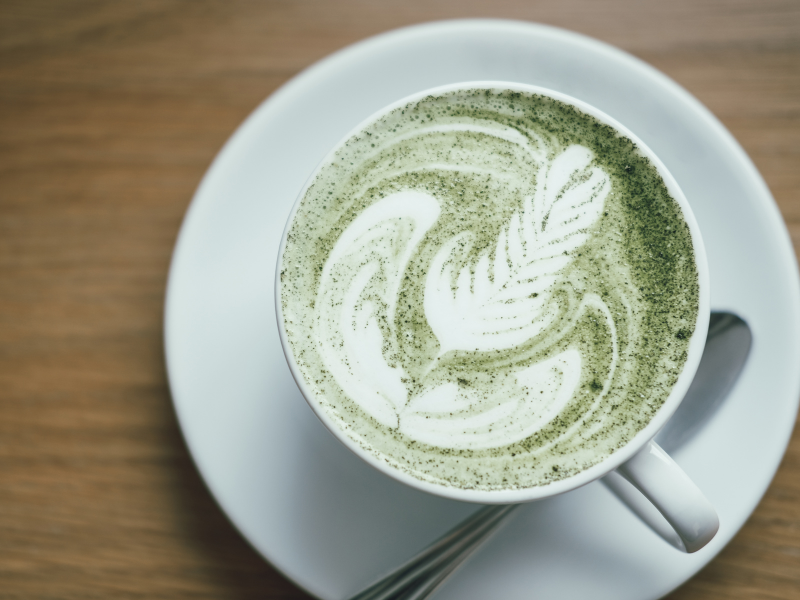
Oat Milk works excellently in black tea with a creamy texture that doesn’t curdle. Soy Milk can curdle in very hot or acidic teas; it works better in medium-strength blends. Almond Milk is too thin for most black teas, but better in chai or matcha lattes. Coconut Milk has a strong flavour that works in robust chai.

Tea Pairing Guide

Strong black teas (Yorkshire, Builder’s Brew) pair well with digestive biscuits, chocolate Hobnobs, and ginger nuts. Medium black teas (PG Tips, Tetley) work beautifully with Rich Tea biscuits, shortbread, and custard creams. Earl Grey complements lemon drizzle cake, shortbread, and madeleines. Green tea matches plain biscotti and matcha-flavoured sweets.

For savoury pairings, strong black tea works with cheddar cheese and oatcakes, smoked salmon sandwiches, and meat pies. Earl Grey pairs with cucumber sandwiches, smoked fish, and lemon-based dishes. Green tea accompanies sushi, steamed dumplings, and light salads.

Best Selling Tea

In spring, British tea drinkers often shift toward lighter blends, with green tea sales increasing approximately 15%. Earl Grey enjoyed cold or iced, floral blends, and fresh mint tea gained popularity.

Summer sees innovation with cold brew methods: place 4 tea bags in 1 litre cold water, refrigerate overnight (8-12 hours), remove bags, and serve over ice. Traditional British iced tea is brewed slightly stronger, cooled, poured over ice, with a slice of lemon and minimal sugar.

Autumn marks the return to robust breakfast blends, chai and spiced teas, and pairing tea with autumn baking. Winter represents peak tea consumption, with cold weather driving people toward warming brews. Spiced and flavoured teas peak during December, whilst herbal tea sales surge approximately 30% post-holiday as people focus on health.

Sourcing & Sustainability

Modern consumers increasingly care about tea origins and ethical considerations.

Plastic-Free Tea Bags

Research revealed that most pyramid tea bags contained polypropylene plastic that released microplastics when brewed. Current status (2025): PG Tips, Tetley, Yorkshire Tea, and Twinings have all completed transitions to plant-based bags. Clipper and Pukka have always been plastic-free. Look for “plant-based,” “biodegradable,” or “plastic-free” labels on packaging.

Tea Origins

Despite “English Breakfast” and “Yorkshire Tea” names, virtually no tea grows in Britain. Your tea comes from: Kenya (40% of UK imports), producing strong, coppery black tea; India’s Assam region (25%), providing malty, robust bases; Sri Lanka’s Ceylon (15%), offering bright, brisk character; and China (10%), providing green teas and speciality varieties.

Ethical Certifications

Rainforest Alliance focuses on environmental protection and fair treatment of workers. Fairtrade guarantees minimum prices to farmers and community premiums for development projects. Organic certifies tea grown without synthetic pesticides or fertilisers, but doesn’t automatically indicate fair labour practices.

Decaffeinated & Speciality Blends

Best Selling Tea

While traditional black teas remain the most consumed in the UK, there’s growing interest in alternative options.

Decaffeinated Black Tea

Decaf black teas provide the flavour of traditional blends without the caffeine. Decaffeination methods include the CO2 Process (retains most flavour but is expensive), the Water Process (more affordable), and the Ethyl Acetate Process (can leave a slight chemical taste).

Best decaf options include Yorkshire Tea Decaf (uses CO2 process), PG Tips Decaf (smooth taste), and Clipper Organic Decaf (water-processed). Decaf teas often require slightly longer steeping (add 30-60 seconds) to achieve a similar strength.

Herbal Infusions

Popular caffeine-free alternatives are increasingly stocked in major supermarkets. Peppermint aids digestion and is particularly popular after heavy meals.

Chamomile traditionally promotes relaxation and sleep. Rooibos (Red Bush) from South Africa is naturally sweet with vanilla notes and can be brewed like black tea with milk. Ginger is warming and aids digestion.

Turmeric has anti-inflammatory properties and is often combined with ginger and black pepper. These blends cater to dietary and wellness-focused consumers, making them an important segment in the British tea market.

Understanding Britain’s tea market helps you choose the right blend for your taste and circumstances. With eleven distinct options ranging from robust Yorkshire Gold to delicate cherry blossom tea, the British tea market offers something for every preference and occasion. The best-selling brands dominate for good reason; they provide consistent quality and flavours that pair well with the foods and moments that punctuate daily life.

Your perfect tea depends on multiple factors: your local water hardness, whether you take milk, your preferred strength, the time of day, and what you’re eating alongside it. The beauty of Britain’s tea culture lies in this variety and the ritualistic comfort it provides.

Whether you’re reaching for a comforting builder’s brew to start your morning, brewing a pot of Earl Grey for afternoon guests, or exploring Japanese matcha traditions, understanding what makes these teas popular empowers you to make informed choices.

FAQs

1. What is the best-selling tea in England?

Yorkshire Tea often leads the charts in value sales, with PG Tips and Twinings also ranking among the top-selling teas across major UK retailers. Market positions fluctuate, but these three consistently dominate approximately 60% of the market.

2. Which brand of tea is most popular in the UK?

Yorkshire Tea is frequently cited as the most popular due to its strong flavour, wide availability, and reputation for quality. It’s “proper tea” positioning resonates strongly with British consumers. PG Tips and Twinings follow closely behind, each appealing to slightly different consumer segments: PG Tips to those seeking smooth everyday tea, and Twinings to those wanting heritage and variety.

3. What’s the difference between English Breakfast and other blends?

English Breakfast is a strong, full-bodied black tea blend traditionally made from Assam, Ceylon, and Kenyan teas. It’s specifically designed to pair well with a hearty breakfast and stand up to milk. Earl Grey contains added bergamot oil, giving it distinctive citrus notes and a lighter, more aromatic character than English Breakfast.

4. Which type of tea do the British drink most often?

Black tea is by far the most consumed type of tea in the UK, particularly in blends like English Breakfast and builder’s tea. Approximately 165 million cups of tea are consumed daily in Britain, with an estimated 96% being black tea. Most people drink it with milk and often sugar, served in a mug or teapot.

5. Why does my tea taste different at other people’s houses?

Water hardness is the most significant factor affecting tea taste. Tea brewed in soft water areas (Scotland, Wales) tastes noticeably different from the same tea brewed in hard water areas (London, South East). Other factors include kettle cleanliness, steeping time, milk quantity, and mug material. The water hardness difference between regions creates the most dramatic taste variations.

Share with our social media

Leave a Reply

Your email address will not be published. Required fields are marked *